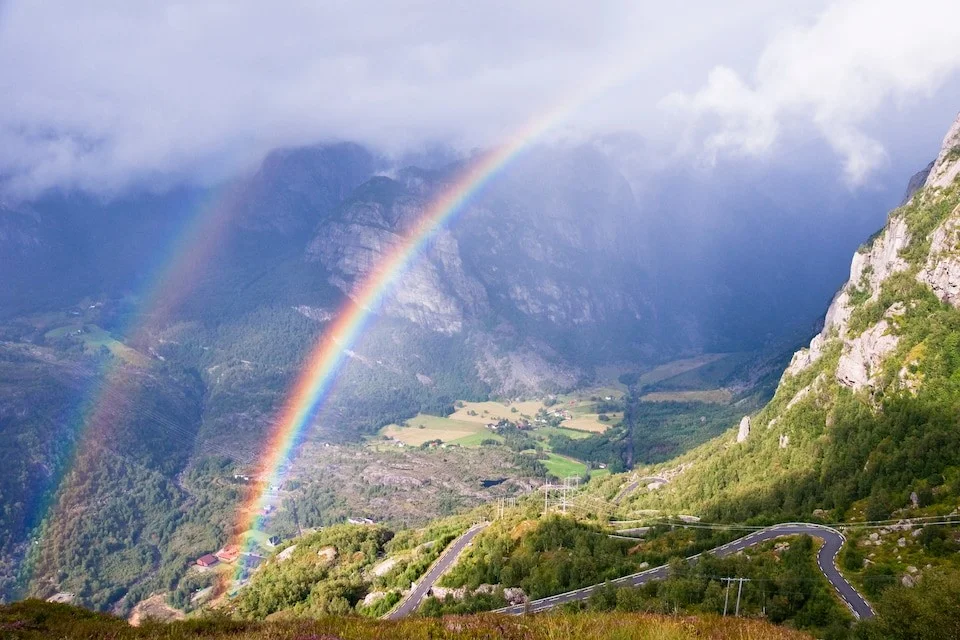
1. Double rainbow
The second arc involves an additional reflection inside droplets and has reversed colours. Its brightness and visibility depend on conditions.
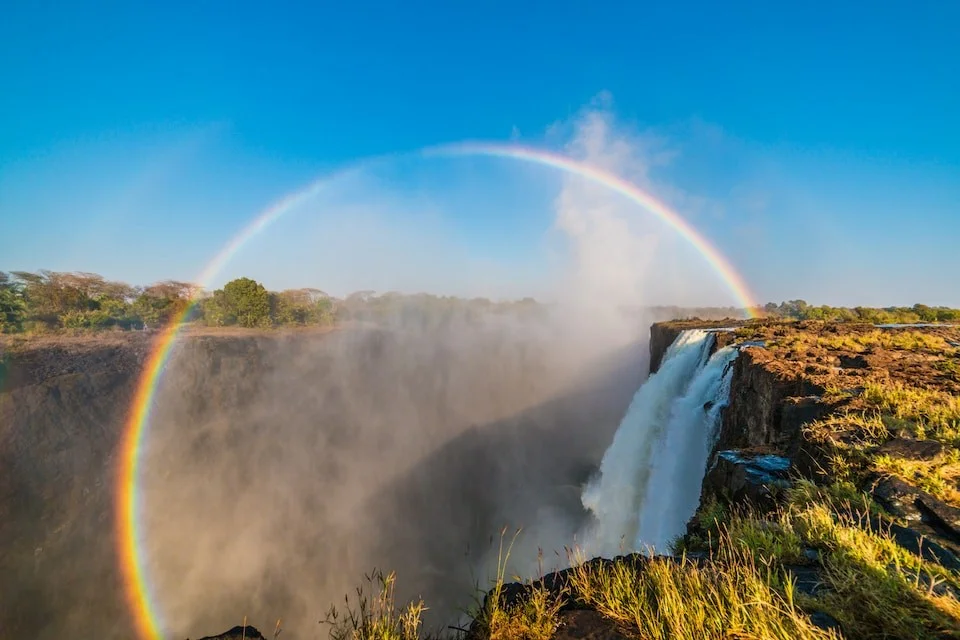
2. Circular rainbow
A rainbow has circular geometry. From a high viewpoint, suitable lighting and droplets can reveal more of the circle than from the ground.
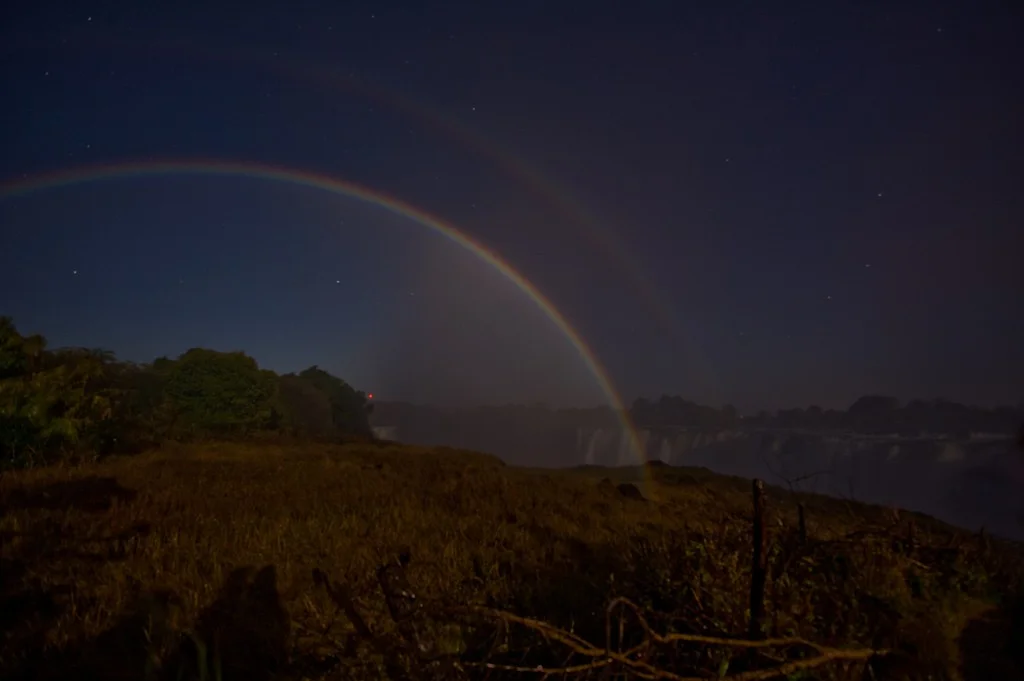
3. Moonbow
Moonlight illuminates it. A sufficiently bright Moon, dark sky and suitably placed droplets are needed; colours may appear faint to the eye.
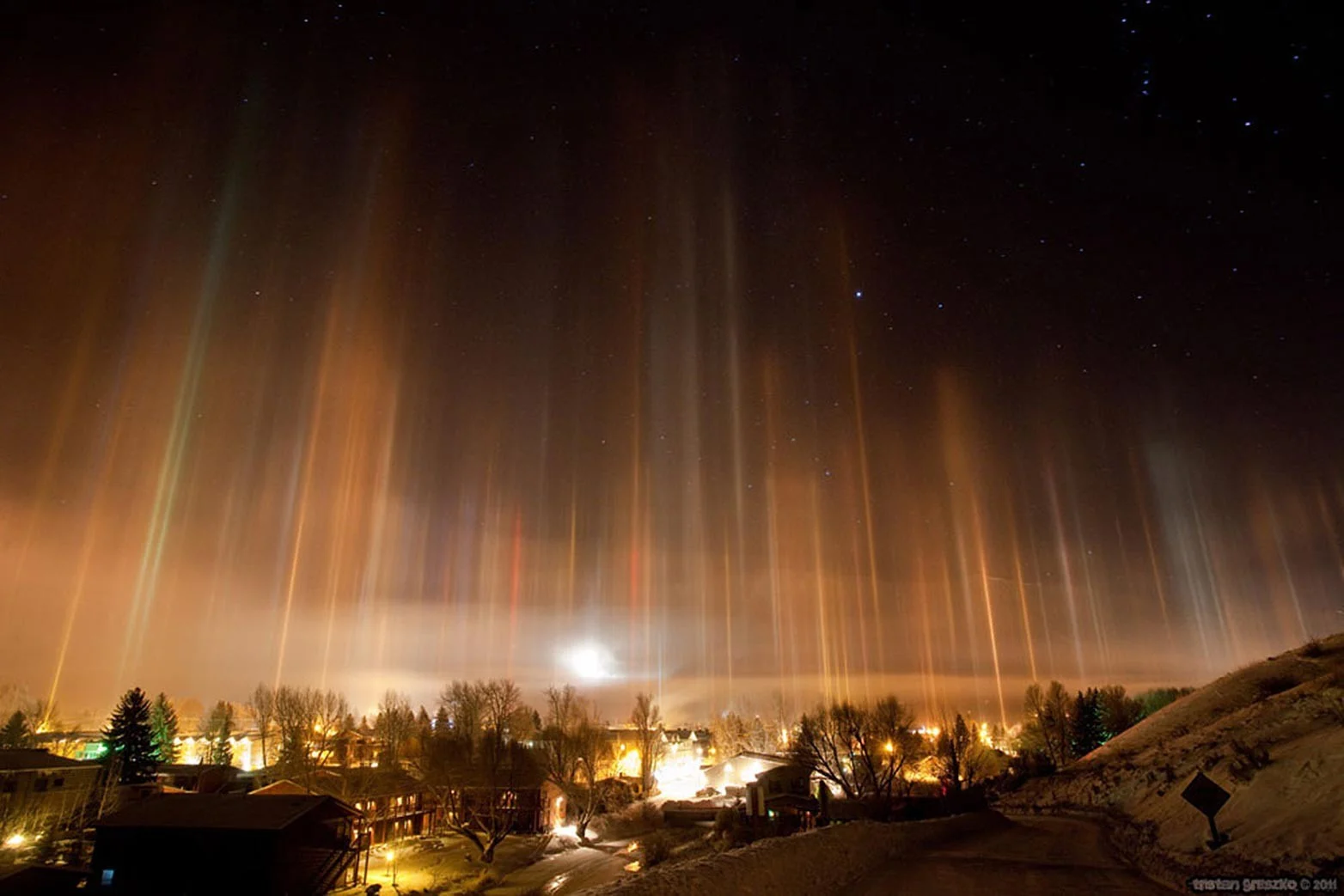
4. Light pillars
Ice crystals can reflect sunlight or artificial light to produce a vertical pillar. This is an optical effect rather than an actual beam reaching the clouds.
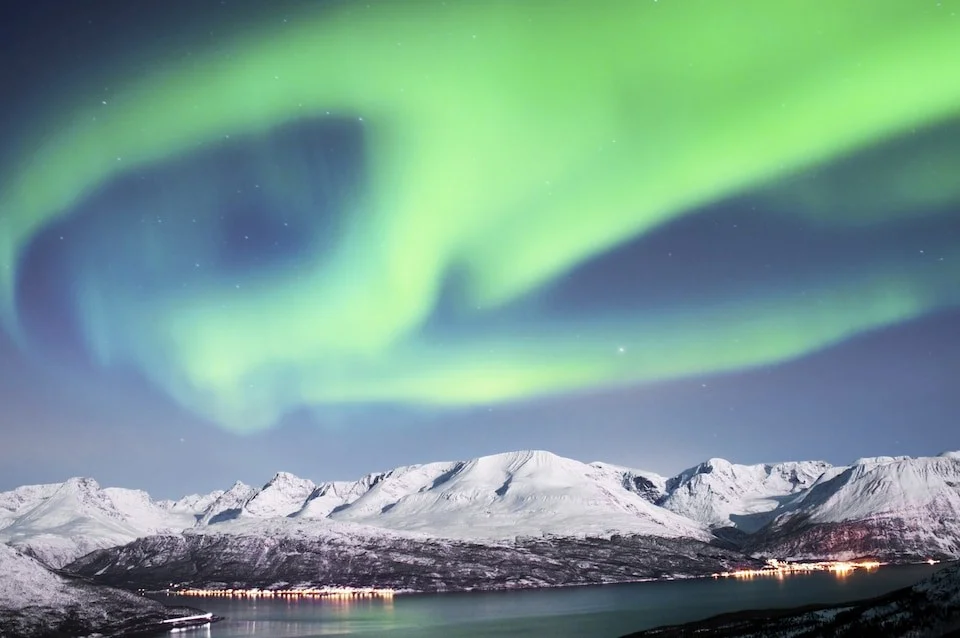
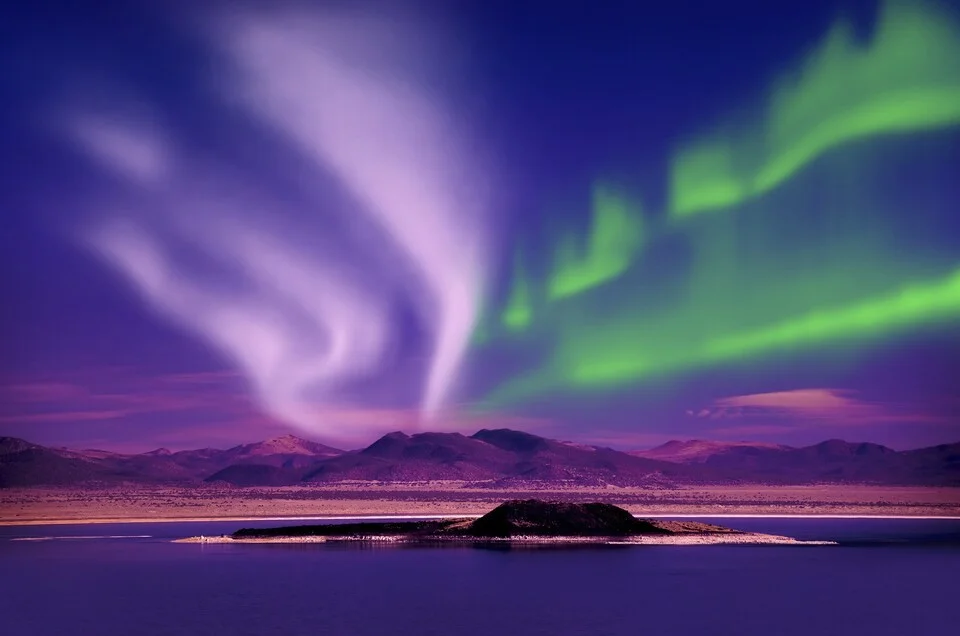
5. Aurora
Upper-atmosphere glow involves charged particles and Earth’s magnetic field. It is not restricted to one latitude or freezing weather; darkness, cloud cover and activity matter for viewing.
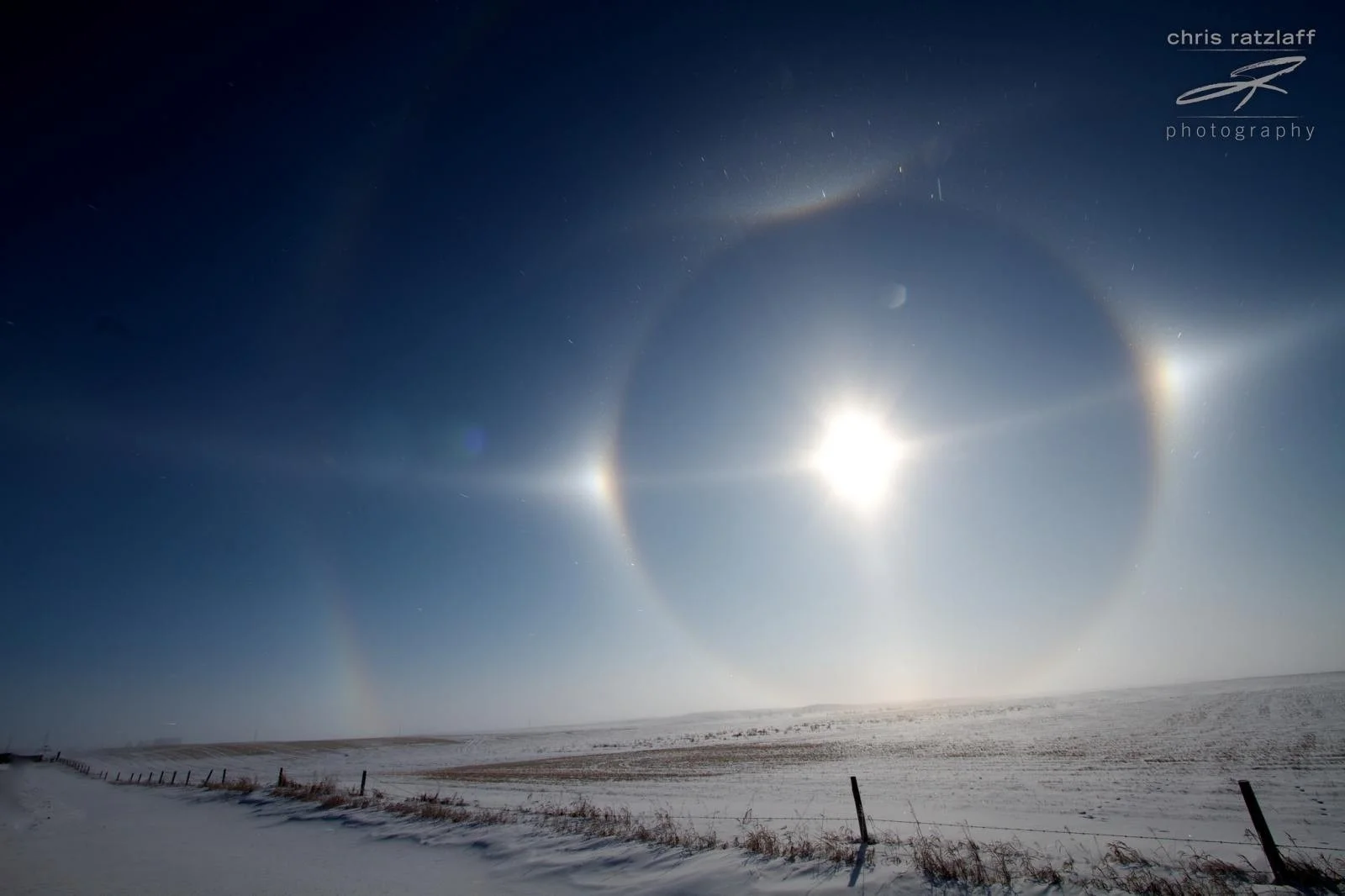
6. Sundogs
Bright spots beside the Sun result from refraction in ice crystals. They can occur outside winter too.
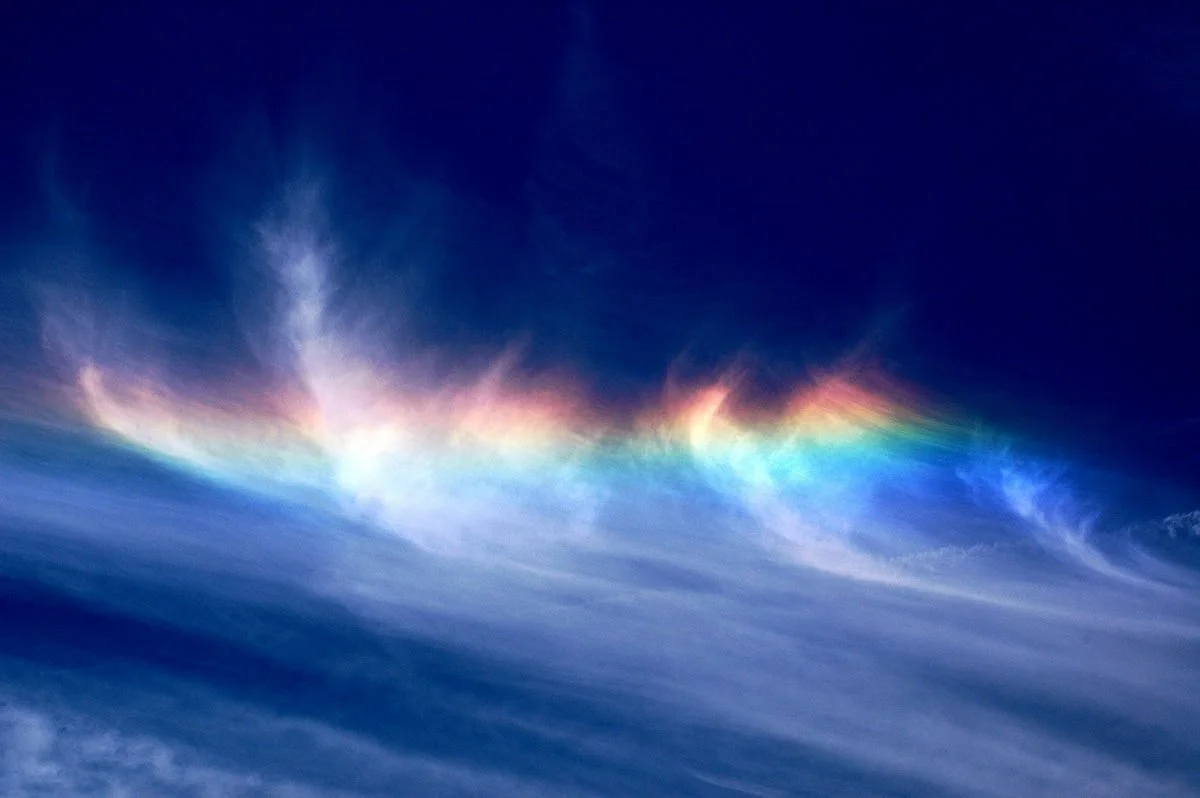
7. Circumhorizontal arc
The informal fire-rainbow name is misleading: this is an ice-crystal effect at a particular solar elevation rather than a burning cloud.
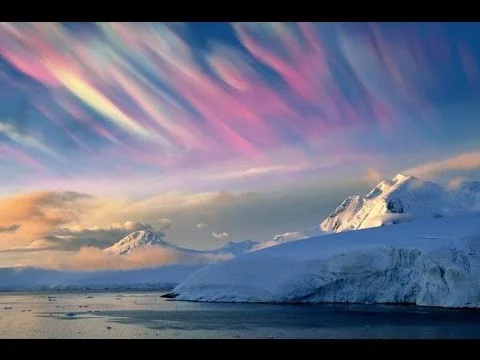
8. Nacreous clouds
High polar stratospheric clouds can appear iridescent after sunset or before sunrise. Not every colourful cloud belongs to this category.
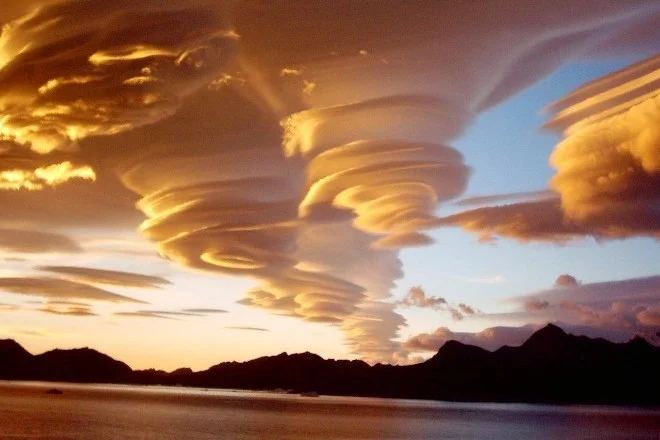
9. Lenticular clouds
Often associated with air waves near mountains, they can retain a stationary shape while air flows through them.
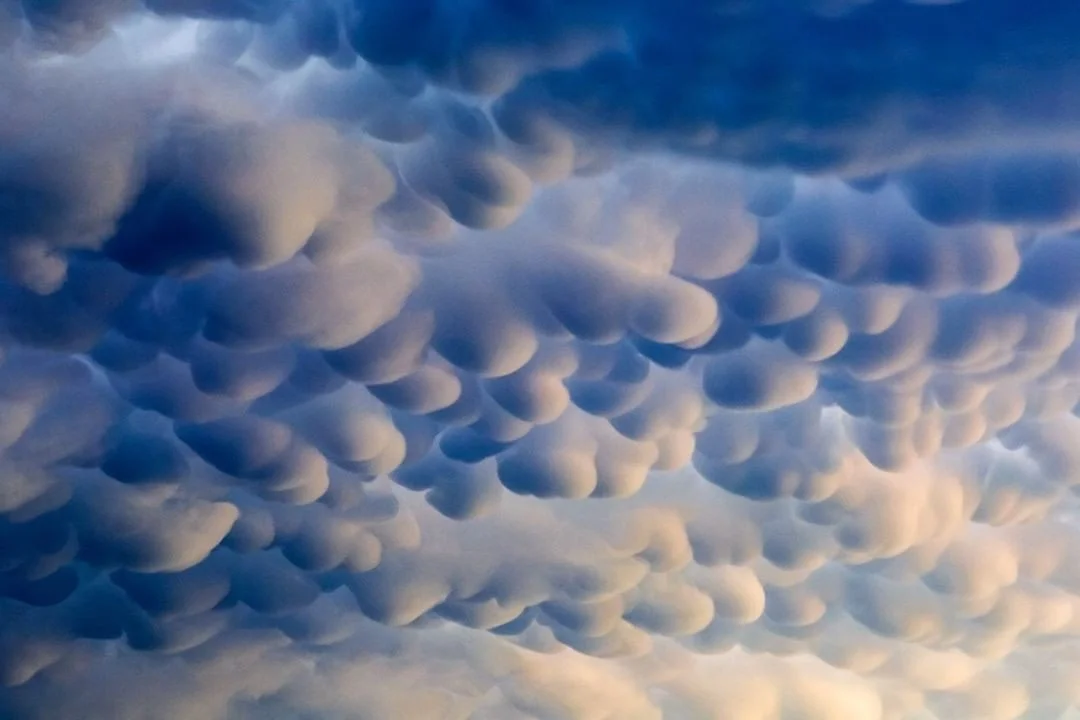
10. Mammatus
Pouch-like features beneath clouds occur in different regions. Their appearance alone does not give a precise hazard forecast.
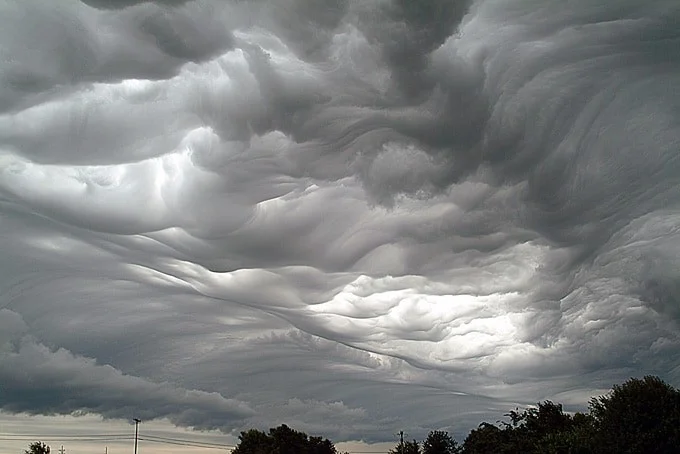
11. Asperitas
An uneven, wave-like underside resembles a rough sea. One photograph cannot promise either inevitable rain or guaranteed safe weather.
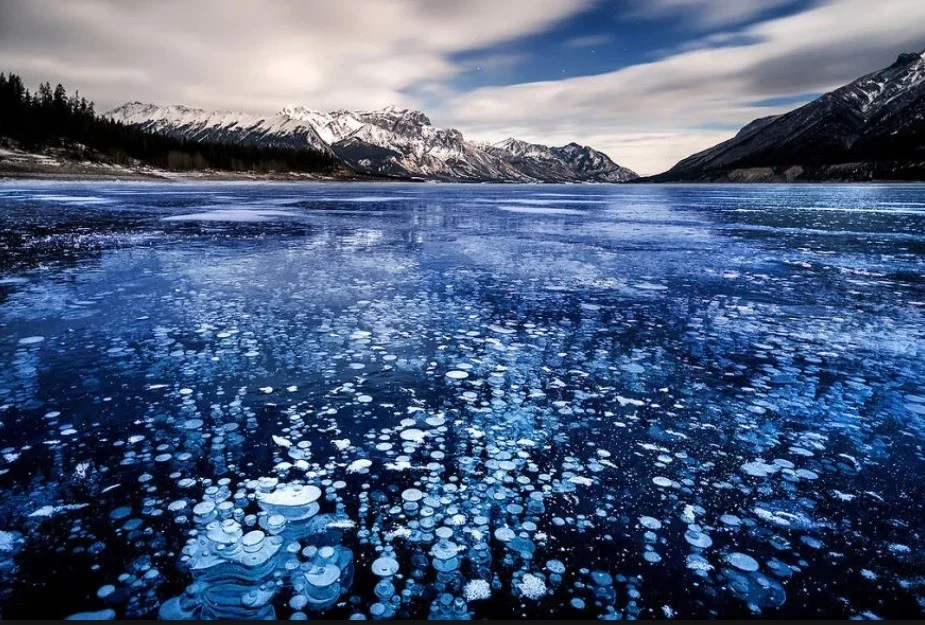
12. Bubbles in ice
Gas trapped by ice forms layers of bubbles. Appearance alone cannot establish composition. Do not walk onto unchecked ice for a photograph or try to ignite gas.