
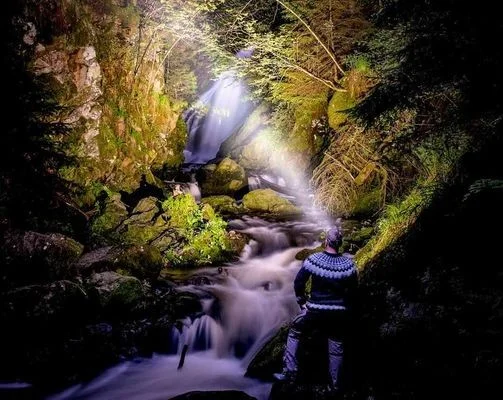
1. Task and light output
Lumens describe light output, not range by themselves. Reading maps, handling tackle and walking a trail need different settings. Check that brightness can be reduced without dazzling others.
2. Beam shape
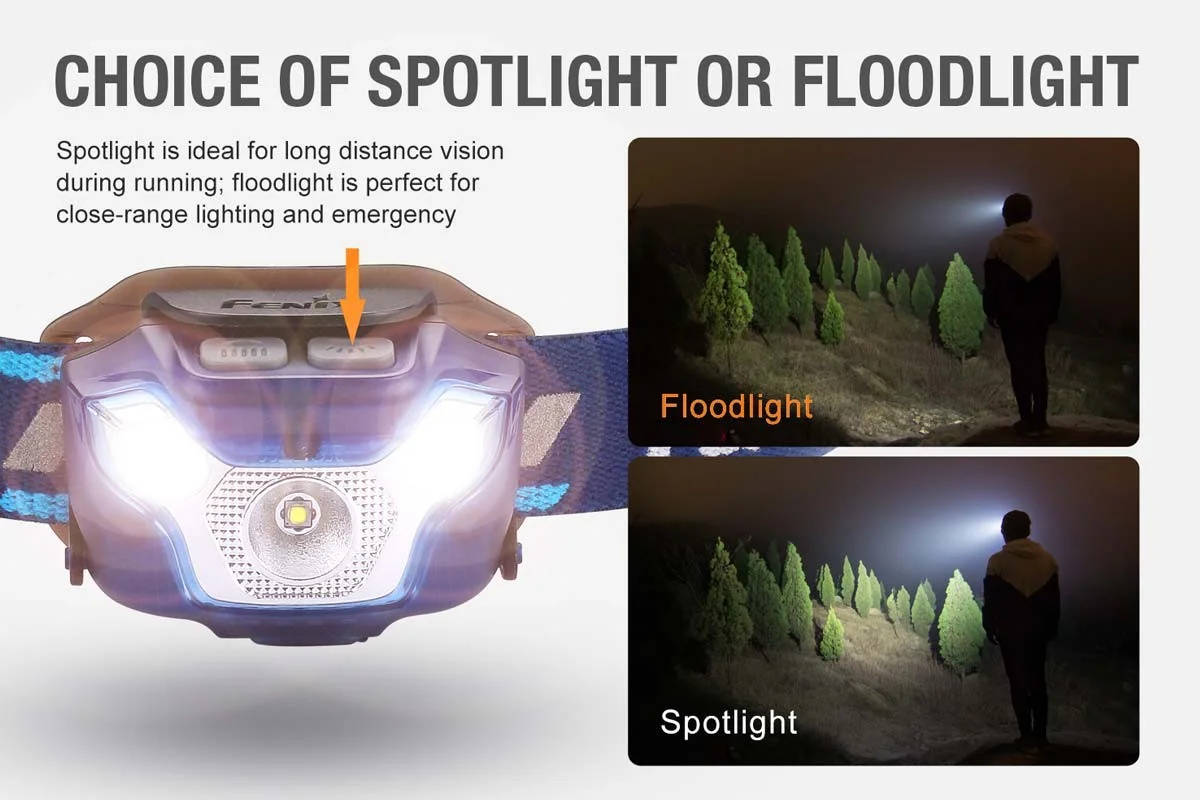
A wide beam is useful nearby, while a more focused beam helps reveal distant details. Equal lumens do not mean the same illumination pattern. Examine the beam in actual conditions rather than only on a display stand.
3. Runtime
Compare runtime at the setting you will use. Advertised maximum brightness and maximum duration generally refer to different conditions. Check charge and carry compatible spare power; a small solar panel does not guarantee a full recharge on a trip.
4. Condition and servicing
Stated LED life is not the life of the whole lamp. Inspect contacts, cover, cable and strap and establish battery-replacement and servicing options.
5. Water protection
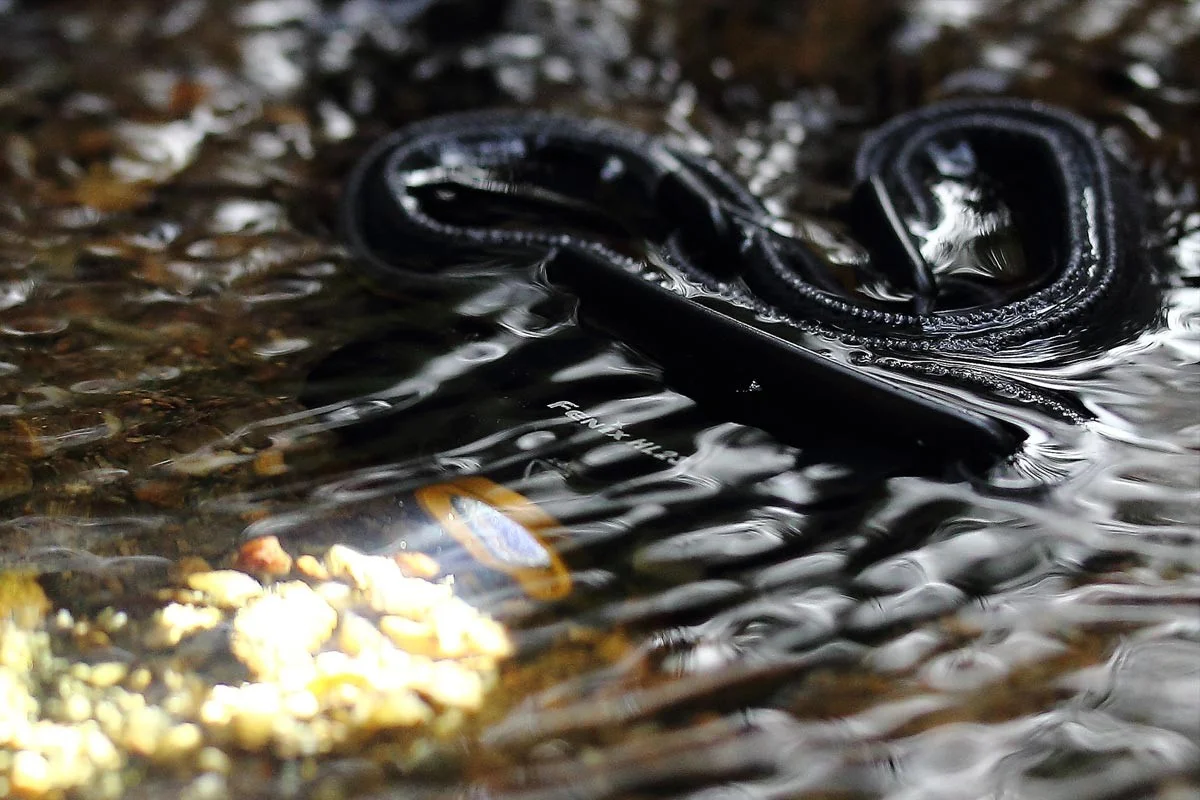
Check markings and the manufacturer’s test conditions. Splash protection does not permit immersion, and permitted depth and duration are not unlimited. Close ports according to instructions.
6. Fit
Try the lamp with your headwear and check strap and tilt. Weight and battery distribution matter on long outings. The device should not slip or create pressure.
7. Controls and backup lighting
Try buttons with gloves, the lock and required settings. Red light and flashing are useful only for a clear purpose; they do not guarantee discovery by rescuers. Provide an independent backup light for a demanding route.