
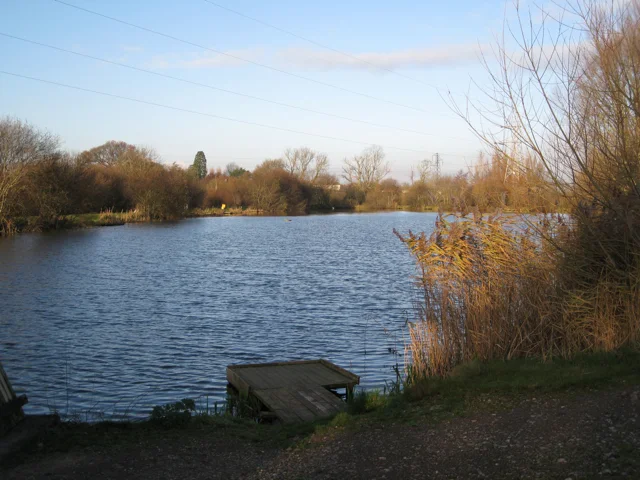
Editorial illustration SNASTI.NET.
A short carp session starts with information about the location. Before buying additional baits, find out the waterbody rules, access to your fishing swim, length of stay and handling requirements for the fish.
What to pay attention to
Fishing Swim Conditions
Ask about the approach road, distance to the water and the available space for gear. A photo of another fishing swim does not show the bank at your swim. Also confirm whether you may pitch a tent and use lighting at night.
Feeding and bait
Start with a controlled amount of groundbait and a clear rig setup. Do not copy the volume of a multi‑day session for a short outing. You need to be able to assess the result and change one detail without overhauling the whole plan.
Preparing to land the fish
The landing net and a suitable work area for handling the catch are prepared before the cast. The specific waterbody requirements must be known in advance. Do not leave equipment unattended that is essential for the safety of the fish and people nearby.
Work with the conditions you see
Record observations together with time, location, and presentation method. Change one variable at a time; otherwise it’s unclear what produced the result. A short note after the trip is more useful than a rushed conclusion about the entire body of water: water level, lighting and fish activity can shift even within a single day.
Practical summary
A successful short session does not require the maximum amount of gear. A reliable rig, an organized spot and clear rules make a 24-hour session much calmer.
Next step: open the angler’s calendar and the map of spots, to link the recommendations with a specific outing. Check current access to the chosen area before you go.