
Illustrative photo: Hidden Valley campground, USA. NPS / Hannah Schwalbe · Public domain. Original photo
It’s easier to plan camp cooking by considering the number of people and water availability rather than large purchases. For two days choose familiar dishes that don’t require many pots and long cooking times.
What to pay attention to
Portions and conditions
Make a list of meals taking into account the road and arrival time. Bring items that need cooling only if you can keep them at proper temperatures. Do not plan to store them in a hot vehicle.
Minimal kitchen
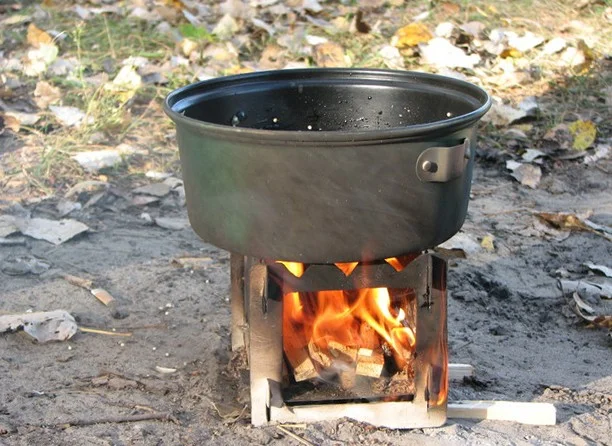
Choose cookware suited to the selected dishes and the number of participants. A lid, a stable work surface and a separate clean set for food are often more useful than many accessories. Use the stove only according to its instructions and the site’s rules.
Cleaning up
Immediately provide a container for waste and a method for washing dishes in an allowed area. Do not pour food leftovers into a lake or river. Keep food and aromatic waste sealed overnight.
Leave a reserve in the plan
Create a simple plan: where the route starts, how to return and when to inform relatives of completion. Count time for rests, photos and finding the way separately. If the group gets tired or the weather changes, shortening the walk is a normal decision. A short backup option is best prepared at home when you have connectivity and time to calmly compare possibilities.
Practical summary
After the trip record what was excess and what was missing. The next menu will be more accurate and the kitchen will take up less space without losing convenience.
Next step: open trip planner and map of locations, to link the recommendations with a specific outing. Check current access to the chosen area before you go.