
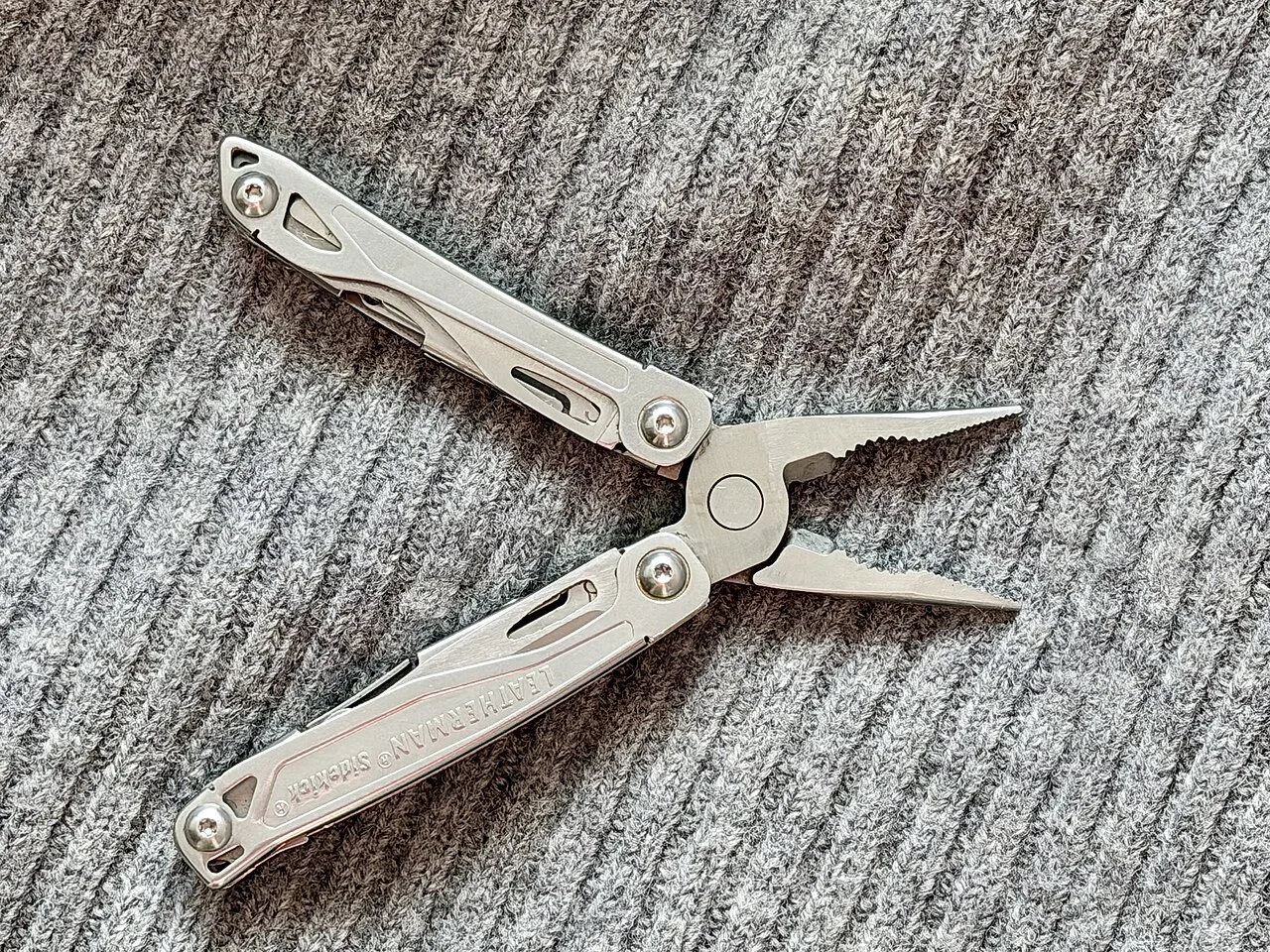
Editorial illustration SNASTI.NET.
A field tool kit should help with simple, predictable tasks. Repairing a complex mechanism on the shore is rarely a successful plan, so distinguish routine replacement of consumable parts from jobs that require a specialist.
What to pay attention to
Typical tasks
Recall what you actually had to do on previous fishing trips: cut material, replace a leader, open a box or extract a hook with the appropriate tool. These tasks define the minimal set.
Safe storage
Pack sharp items so they don’t damage the fabric and are not exposed in a pocket. Test the tool with wet hands under controlled conditions. Keep small interchangeable parts separate and labeled.
Repair limit
Do not try to hide cracks in the blank, damaged rod guides or unusual reel operation with makeshift fixes. It’s better to stop using faulty gear and consult a specialist than to cause more damage.
Check this in calm conditions
Try a new technique or set of items first at home or on a short accessible route. Determine in advance what should work without prompting and what requires practice. After returning, note one or two specific changes for the next trip. This way the kit gradually adapts to your conditions, and decisions are based on your own observations rather than only on others’ lists.
Practical summary
A compact kit works better when each item has a clear purpose. After use, inspect its condition and immediately replenish any consumed supplies.
Next step: open the preparation checklist and the location map, to link the recommendations with a specific outing. Check current access to the chosen area before you go.