
Define the tasks first
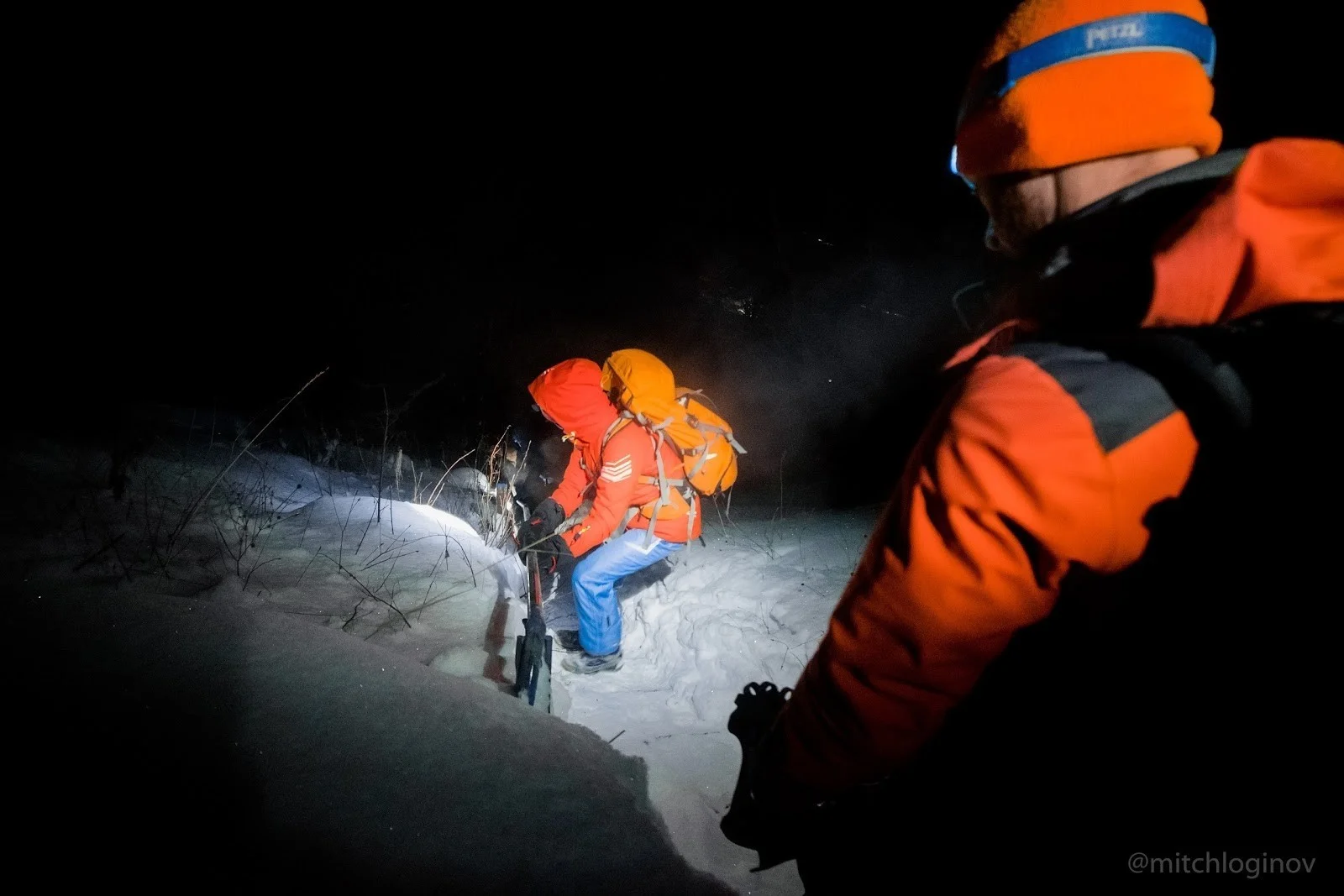
Pitching a tent, reading a map and moving after dark benefit from different lighting modes. Do not choose a torch solely by its highest lumen figure: beam shape, controls and power matter. Check whether you can use the button in gloves and prevent accidental activation in your pack.
Lumens, distance and runtime
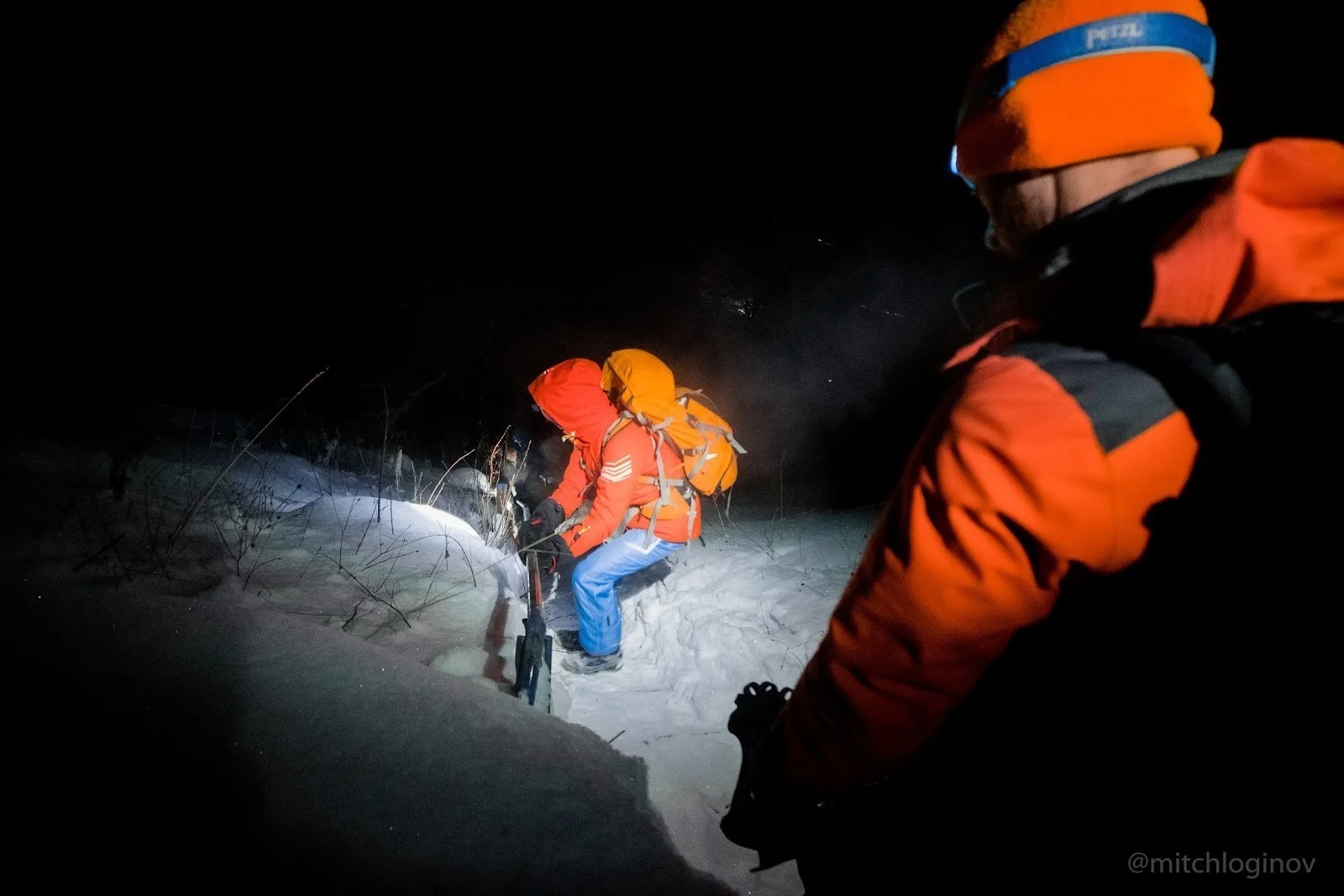
Lumens describe luminous flux, not viewing distance on their own. Narrow and wide beams with the same output illuminate space differently. Even, diffuse light is often more useful for close work; inspecting a distant area calls for a different beam pattern.
Compare runtime in the mode you actually intend to use. Maximum brightness and maximum endurance usually refer to different settings. Find out how output changes as power runs down and whether a low-battery warning is provided.
Headlamps
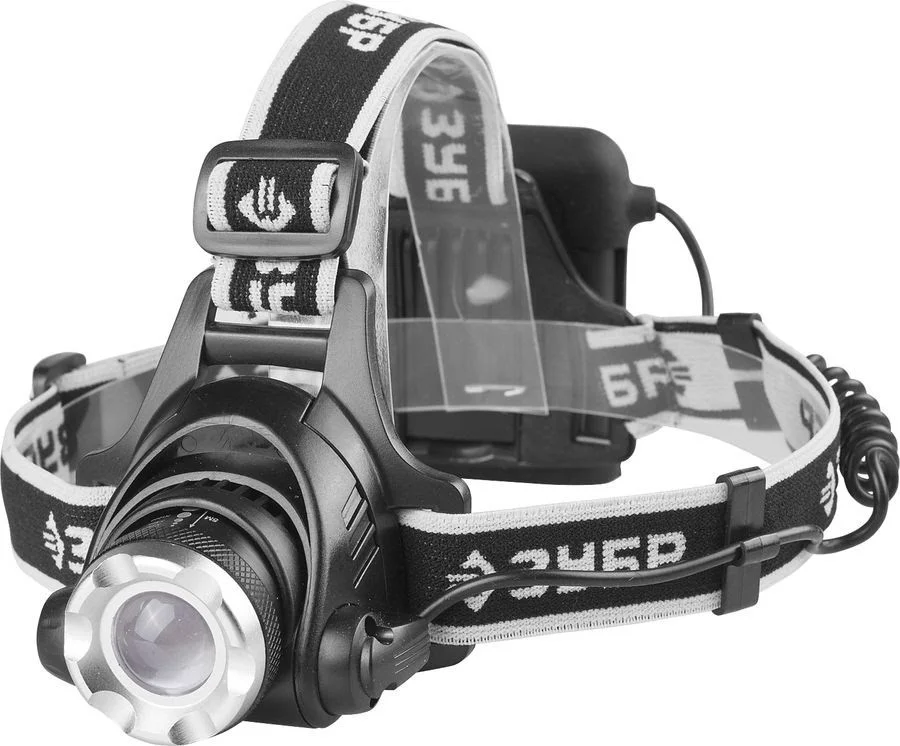
A headlamp frees your hands for cooking, pitching shelter and walking. Try it with your hat: stability, tilt adjustment and freedom from pressure matter. On a night route, every participant needs their own functioning light rather than depending only on the leader’s lamp.
Do not shine the beam into someone’s eyes. A red mode can be convenient at camp, but may still dazzle at high output; its colour does not remove the need for considerate use.
Power and reserves
Decide beforehand how to recharge or replace cells on the route. Check approved battery and rechargeable-cell types in the instructions: similar-looking cells can be incompatible. Changing battery chemistry cannot promise the same runtime increase for every lamp.
A power bank needs a cable, time and water protection for connections. A solar panel does not guarantee daily charging in woodland or cloudy weather. An unsupported route needs a realistic reserve of light and energy.
Handheld models
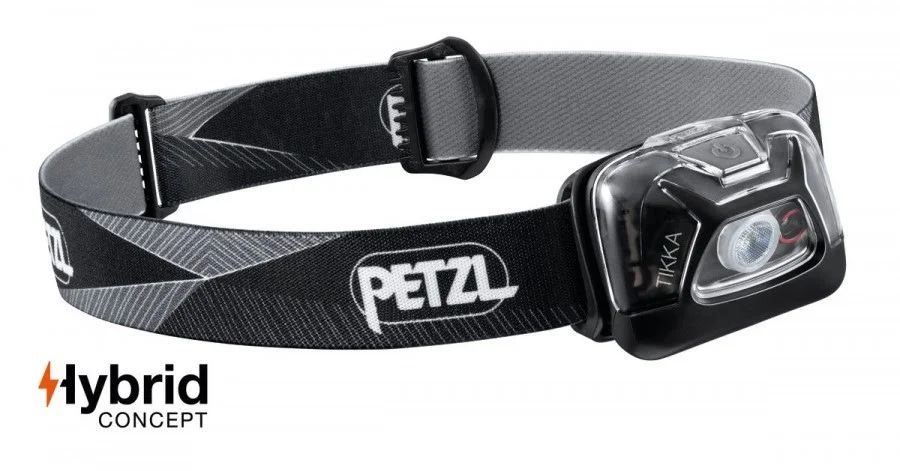
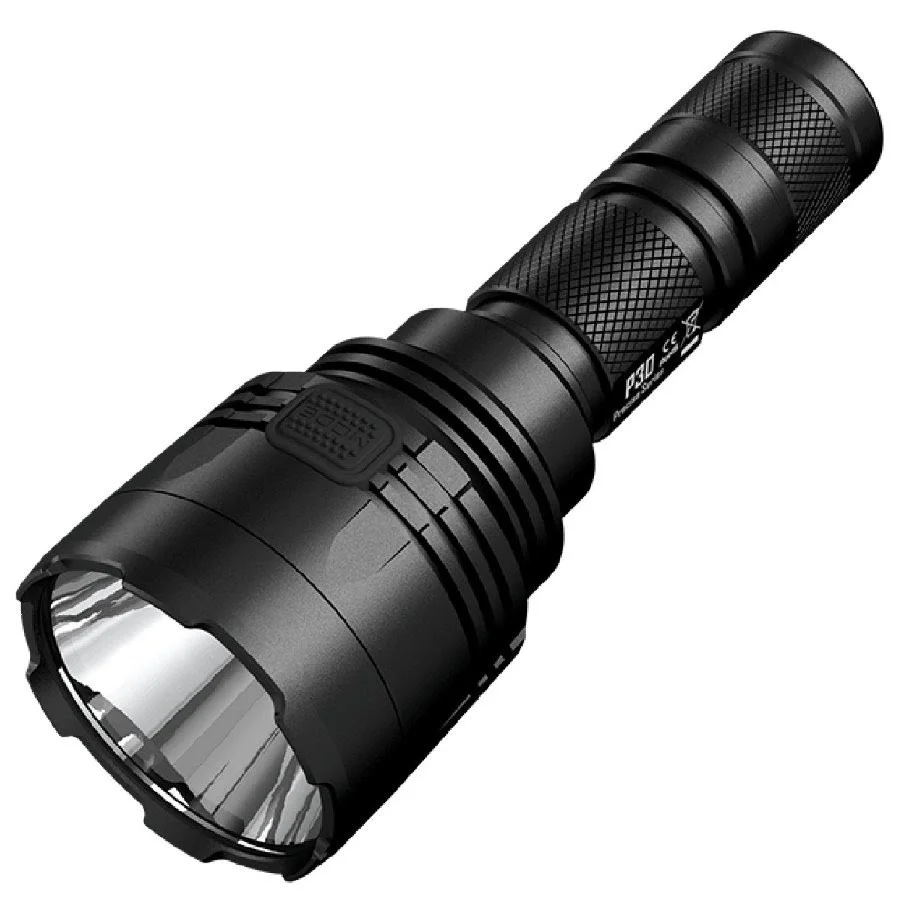
A handheld torch can be convenient in a car, at camp or as a backup. It is not automatically brighter, lighter or more efficient than a headlamp. Compare specific modes, weight including batteries and carrying arrangements.
Choose understandable switching, protection against accidental activation and a suitable beam. A very bright model without spare power is no replacement for reliable everyday light. A stated beam distance does not guarantee recognition of every object at that range.
Camping lighting
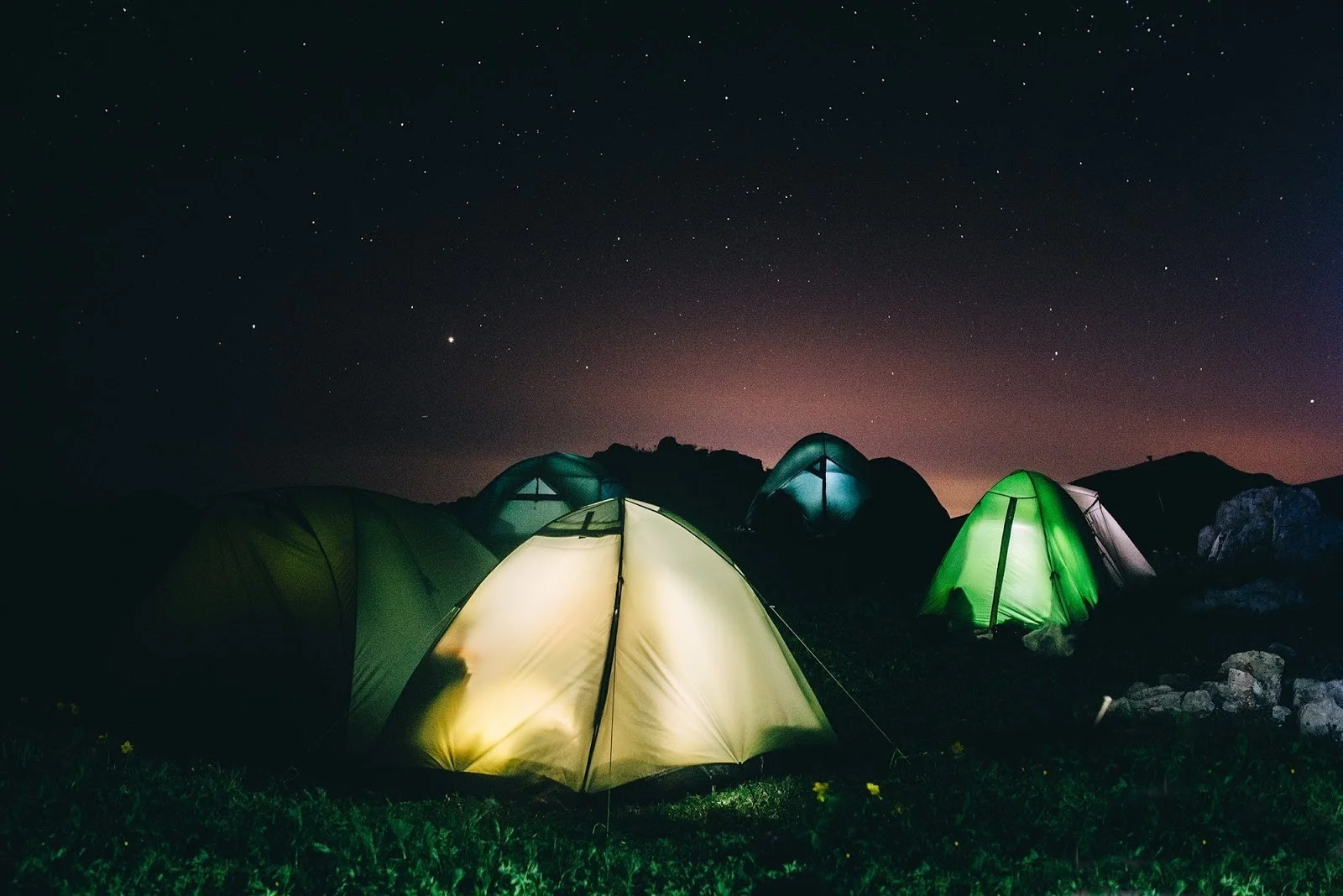
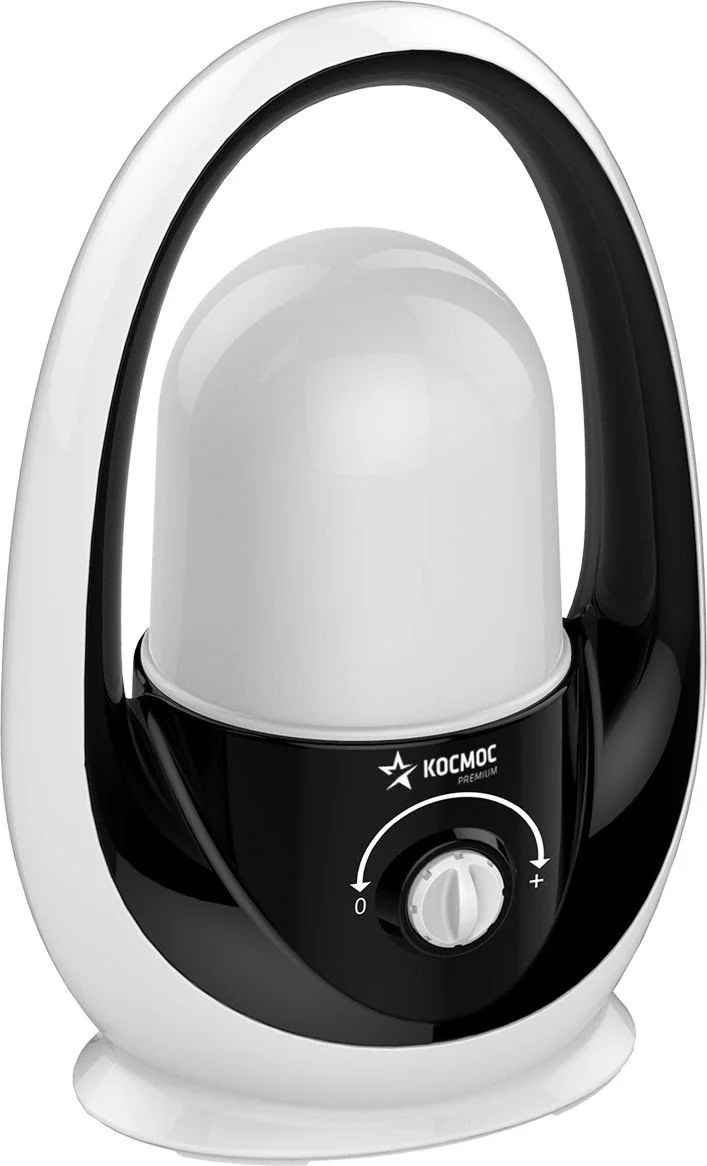
For a table or tent, diffuse light is useful because it does not shine directly into nearby people’s eyes. Check stable placement, secure hanging and brightness adjustment. If adding a diffuser to a headlamp, it must not breach the manufacturer’s cooling requirements.
Protection and extra features
Check dust and water resistance, permitted temperatures and impact resistance for the particular device. Rain protection does not necessarily permit immersion. Inspect the body, battery-compartment cover and seals before departure.
If a camping lantern doubles as a power bank, charging a phone reduces the energy available for lighting. Work out priorities beforehand rather than leaving the whole camp without light for a few more percentage points on a screen.
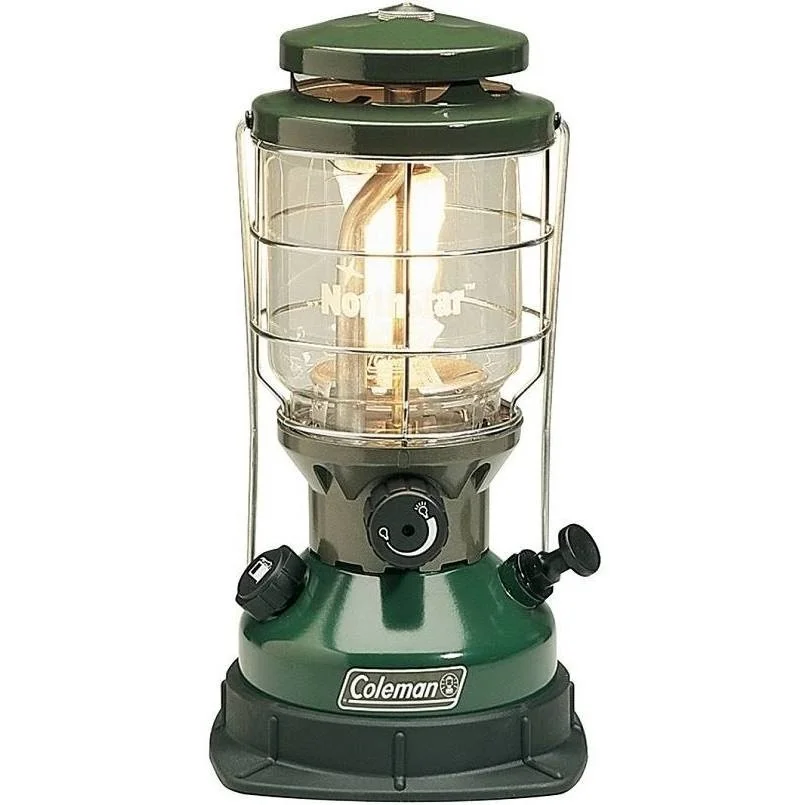
Fuel-burning lanterns
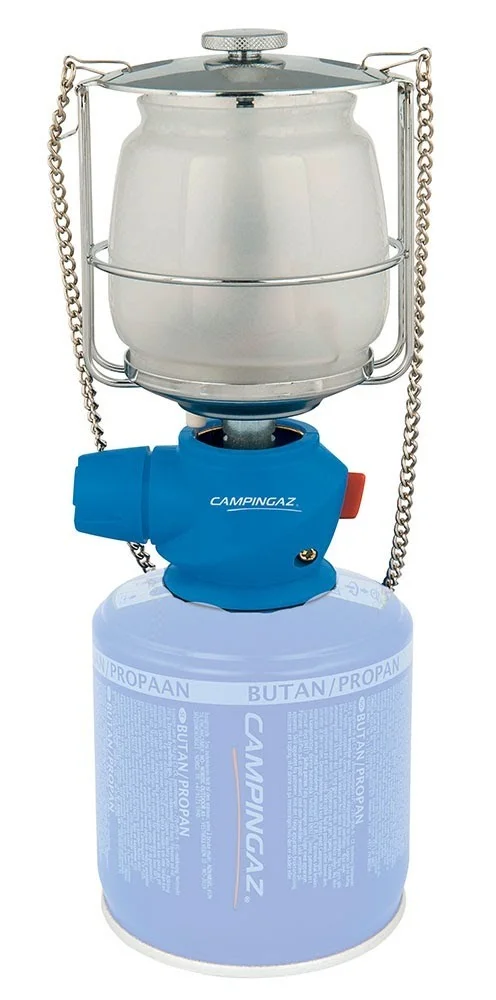
Gas and petrol lanterns require separate care with fuel and hot components. Do not use them to light or heat the inside of a tent: combustion gases and fire are hazards. Choose an appropriate electric light for indoor tent use.
Checks before packing
Read the instructions, charge or replace the power supply and try every required mode in darkness. For a fuel lantern, also follow transport and fragile-component protection instructions. Do not take an unfamiliar system as your only light on a demanding route.
A small, practical setup
For an ordinary hiking trip, start with a comfortable personal headlamp, planned spare power and an independent backup light. Add a camping lantern or powerful handheld torch for the group’s actual needs. This avoids unnecessary weight and makes the fallback clear if the main device fails.