
A headlamp frees your hands
A headlamp is useful for tackle work, camp setup and walking. Check strap, tilt and operation with gloves. It can still be dropped, lost or damaged: wearing it on your head does not make it invulnerable. In a group, direct the beam below other people’s faces.
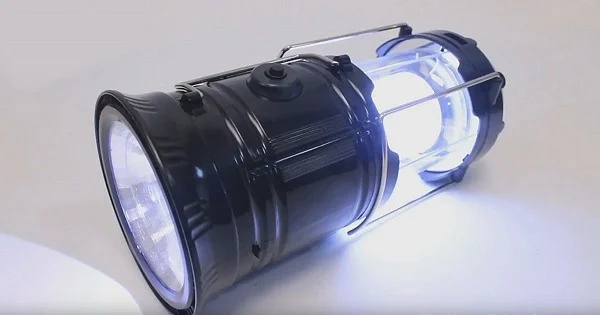
Handheld torch and lantern
A handheld body may be convenient for inspecting distant details, but larger size does not guarantee longer runtime. An electric camp lantern provides shared lighting rather than replacing a personal light on the trail. Hang it only from a suitable attachment within its load limit. An ultraviolet device is unnecessary for ordinary lighting and is not a universal outdoor substitute.
Performance in actual conditions
Compare beam shape, useful setting and runtime rather than maximum lumens alone. No single brightness or range is compulsory for every hike. Check behaviour as charge falls, water-protection markings and a lock against accidental activation in the pack. A metal housing alone does not establish waterproofing.
Power and backup
Take compatible batteries or a tested charging method. Consider route length and electricity access; phone charge should not become the only shared reserve. Independent backup lighting is useful on a demanding trip. A light helps you see the way but does not replace navigation, a return plan or the decision to stop in poor visibility.