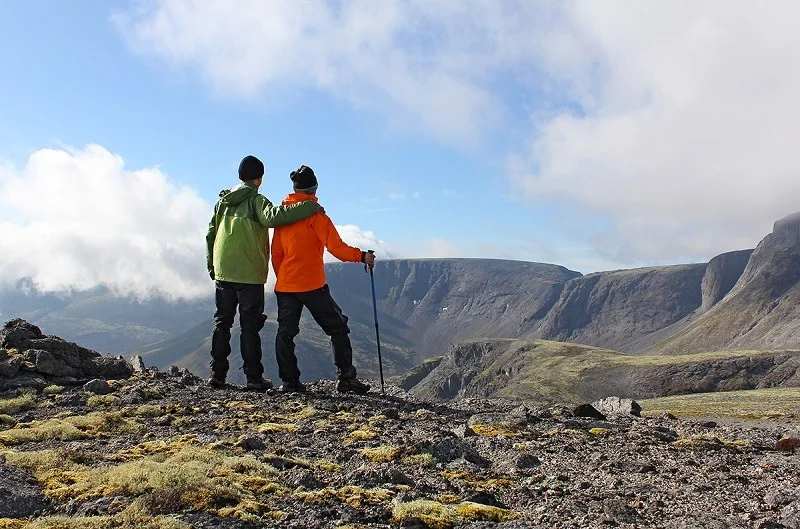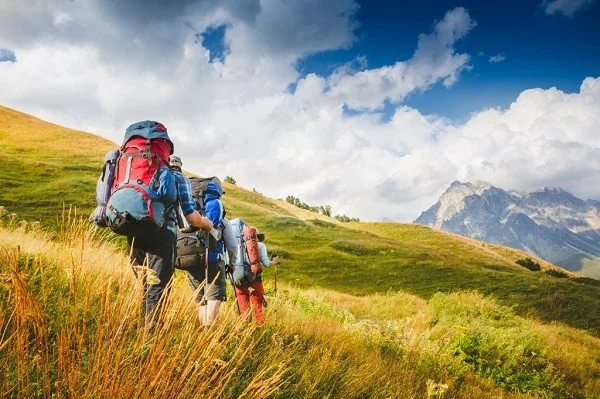
Popularity does not guarantee ease
Check trail access, season, elevation changes and participants’ condition. There is no universal ten-kilometre daily limit for beginners or three-to-five for children: assess distance alongside terrain, weather, load and rests. Save a map for offline use.
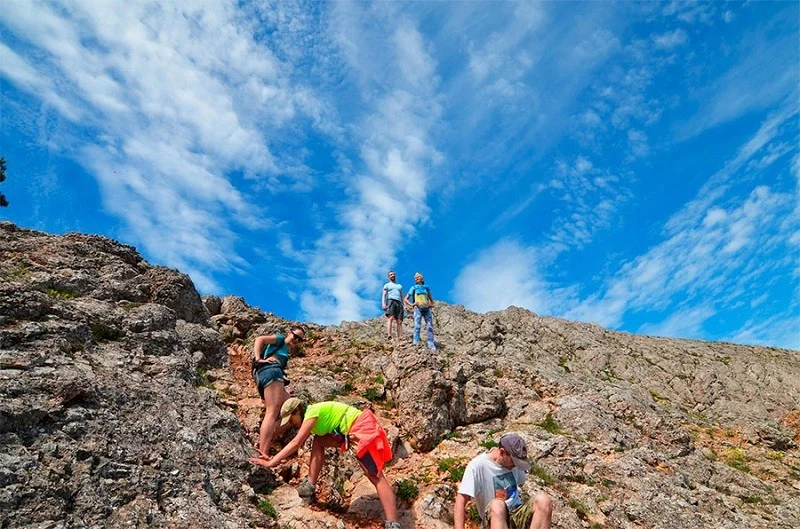
Water and camping
A river on a map guarantees neither safe drinking water nor an accessible approach. Plan supplies and an appropriate water-treatment method. Choose camp according to local rules, away from hazardous banks and flood areas; do not pitch immediately beside a source for convenience.
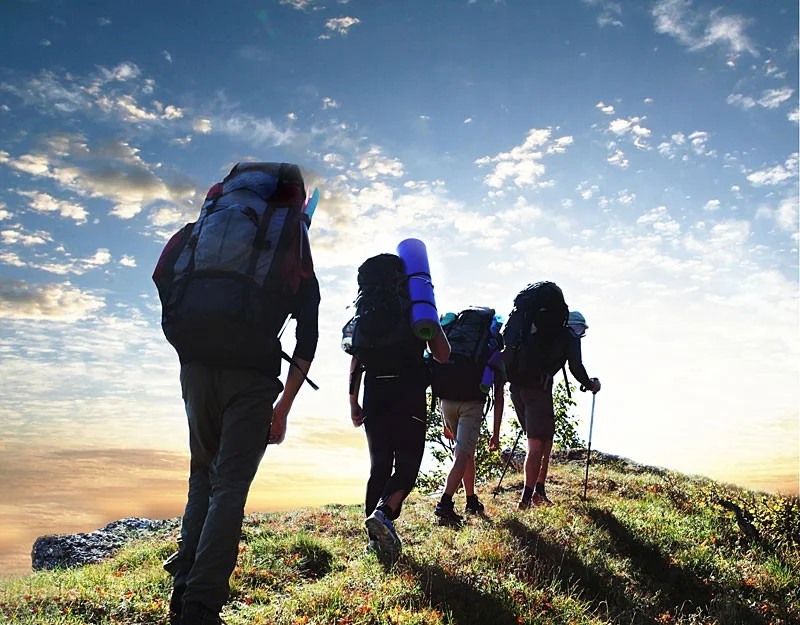
Communication and equipment
Identify early-exit points and share the plan with someone close. Match shelter, sleep equipment, clothing, food, lighting and first aid to the route. A navigator does not replace navigation skills, and a nearby settlement does not promise immediate help. If information is insufficient, shorten the plan and begin with a verified short outing.