How to compare
The old article covers different backpack generations. Capacities, fabrics and weights concern the described versions, so confirm specifications for the actual item separately. Start with your complete equipment and a loaded fitting rather than a promise to carry any weight.
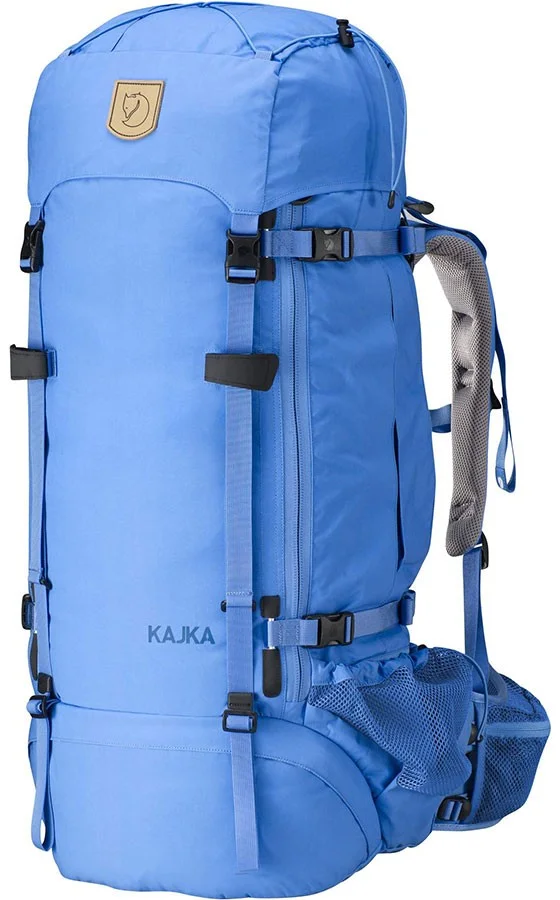
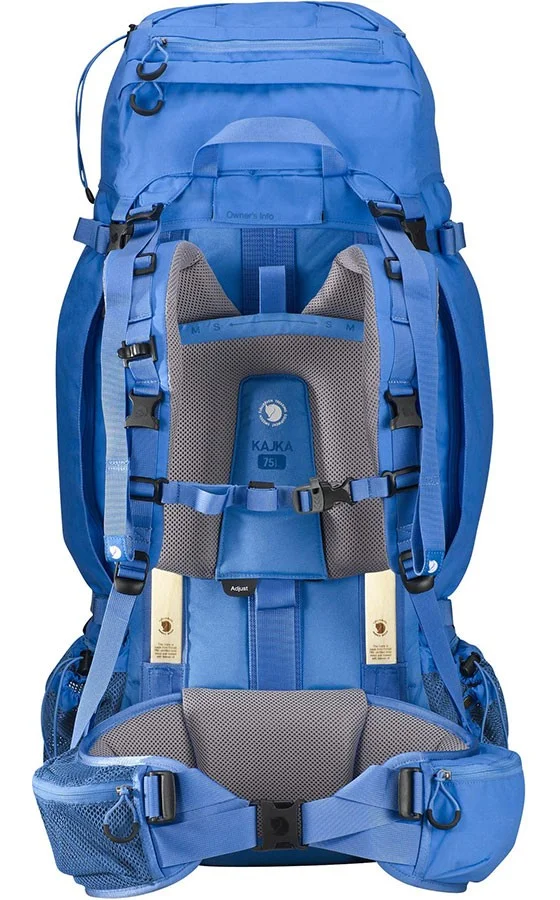
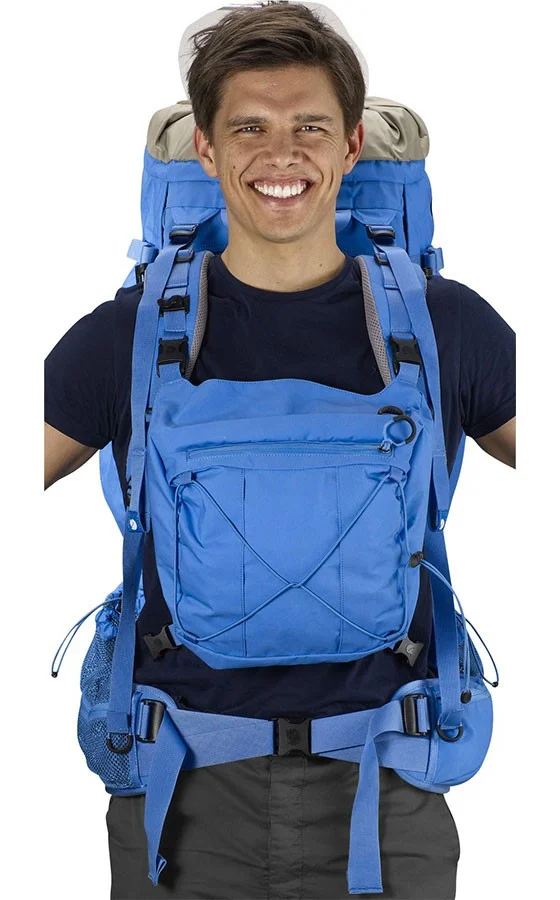
Kajka
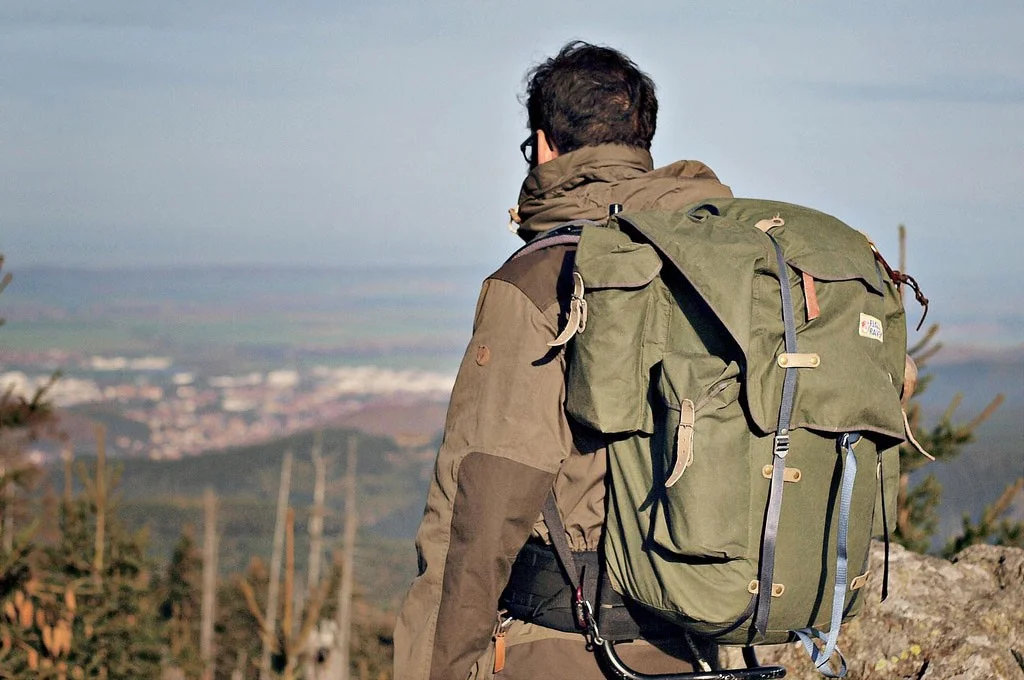
The range appears as an option for bulky equipment with a substantial adjustable carrying system. Side pockets and access are useful, but not everyone needs the higher empty weight. There is no universal kilogram threshold below which the pack becomes pointless: fit and purpose matter.
Keb
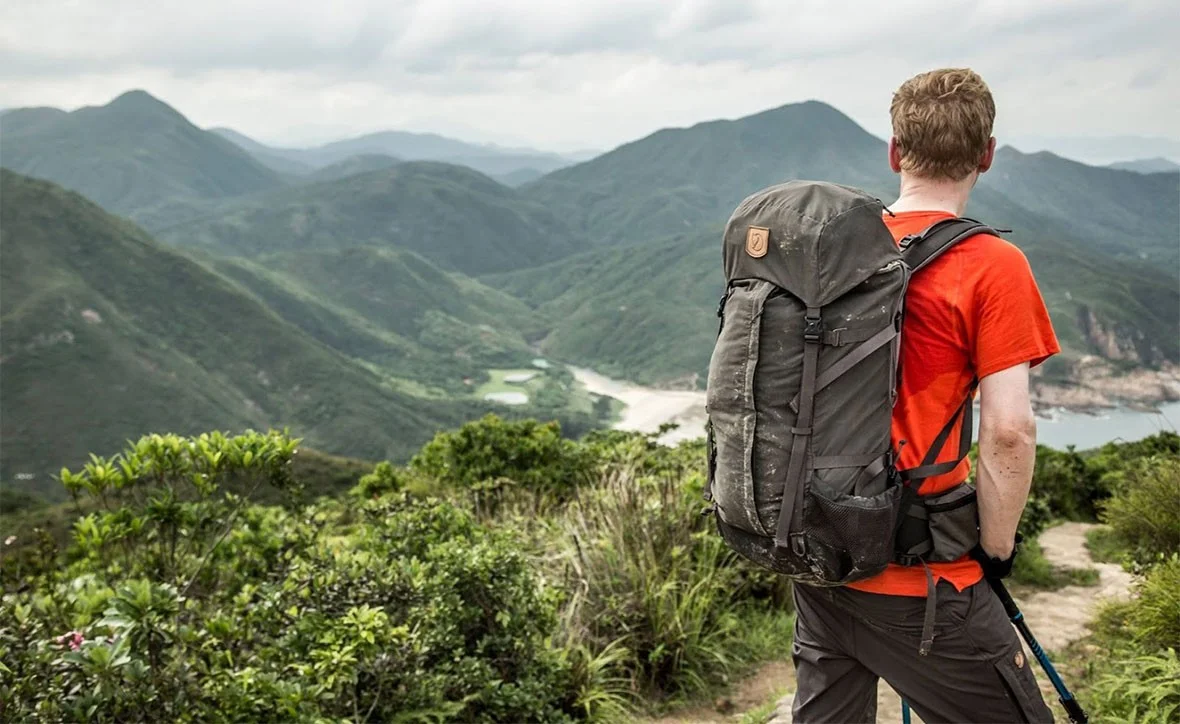
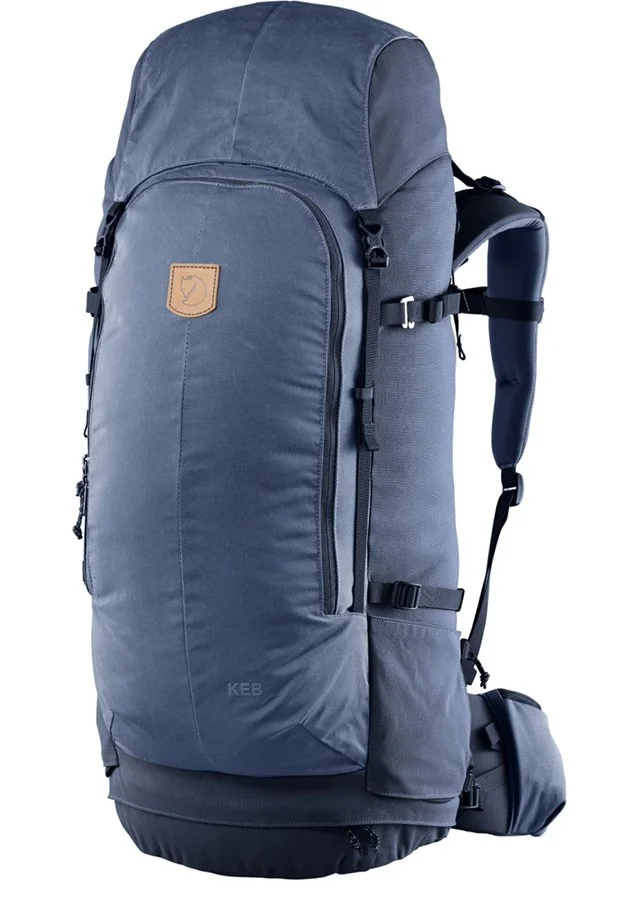
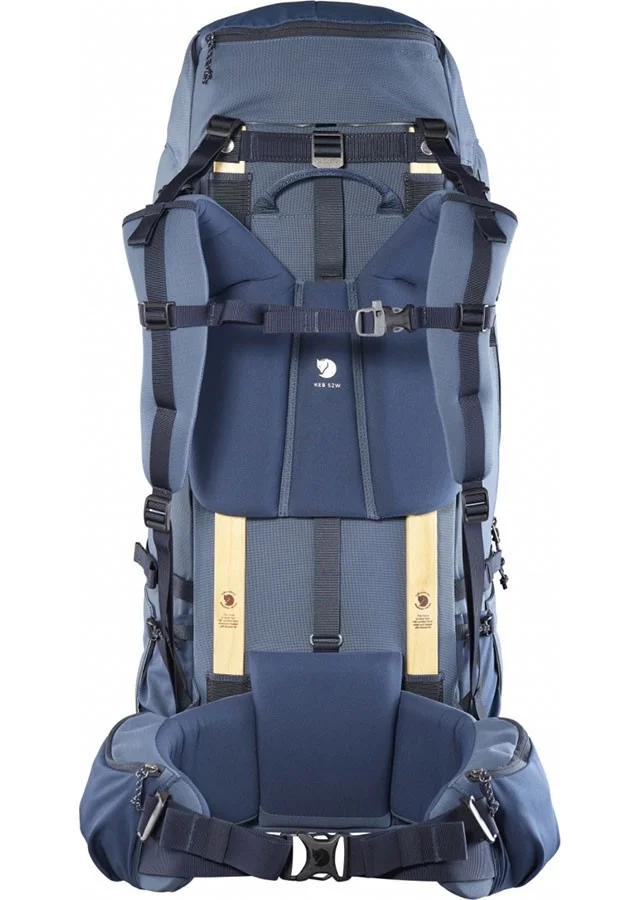
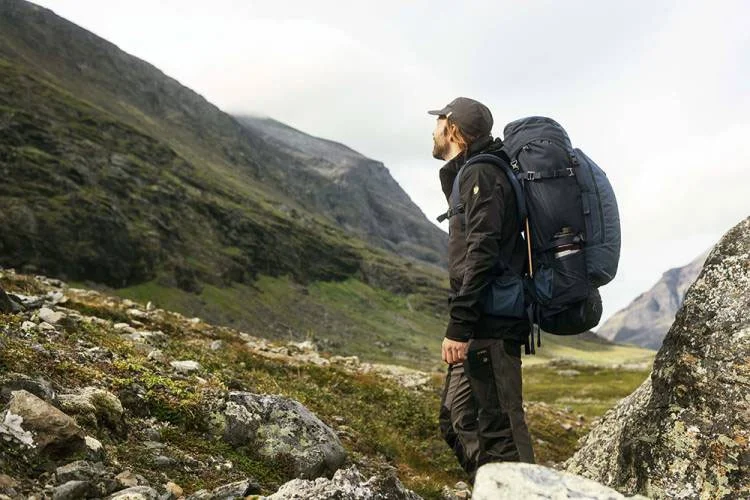
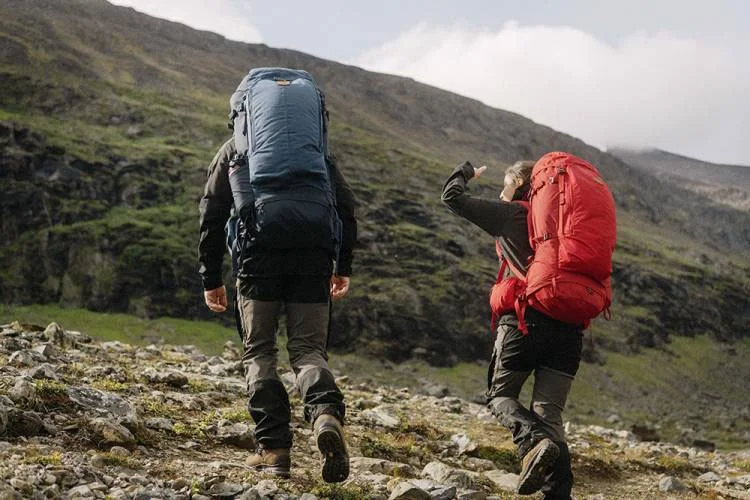
In the archive, Keb occupies a position between heavy expedition packs and lighter trekking equipment. Compare side access, attachments and reinforced fabrics for the specific version. Waxing can change water repellency in compatible fabric but cannot make the entire pack watertight.
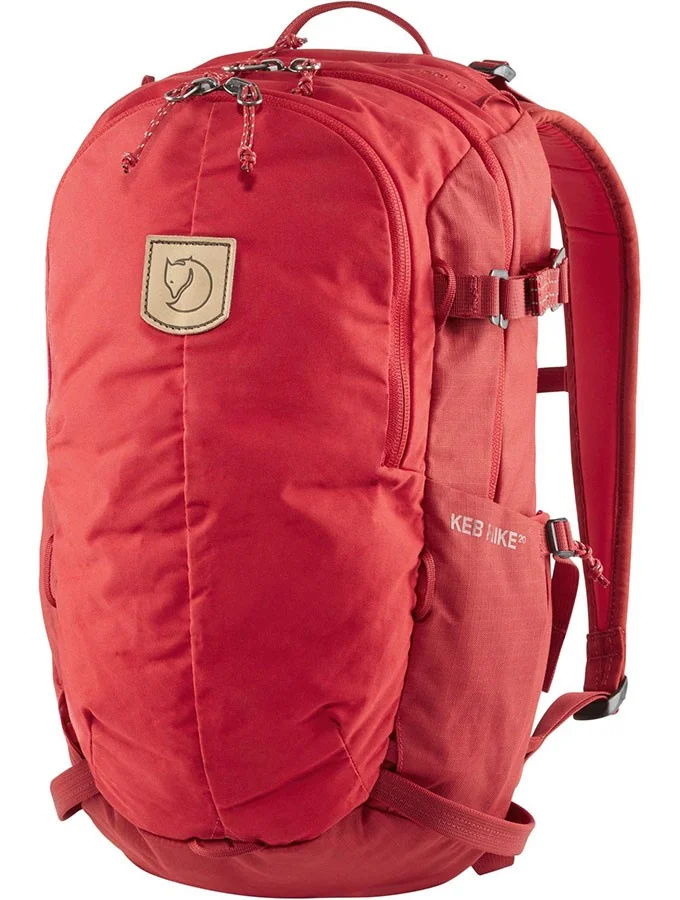
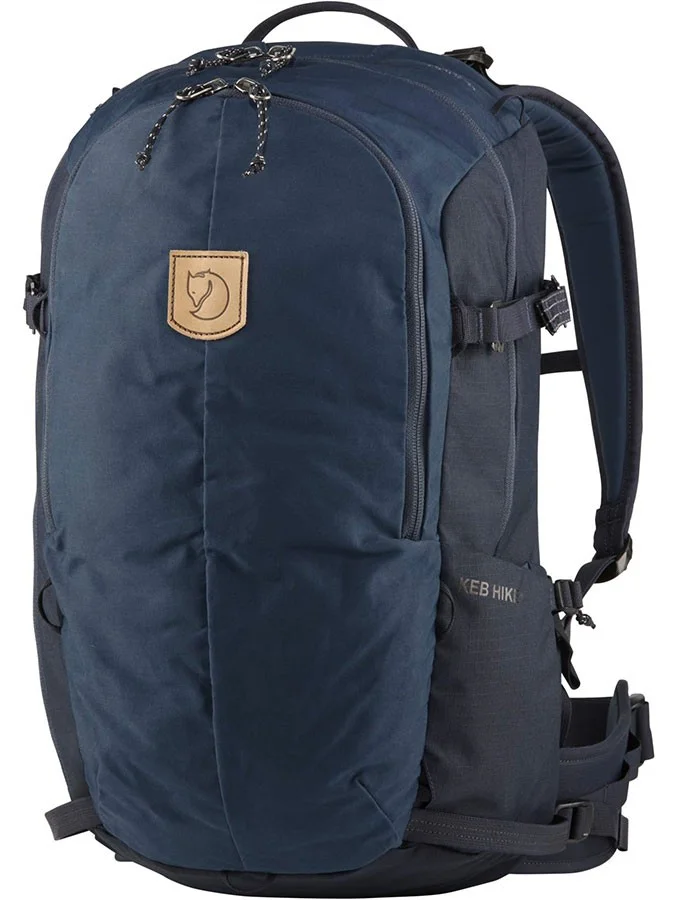
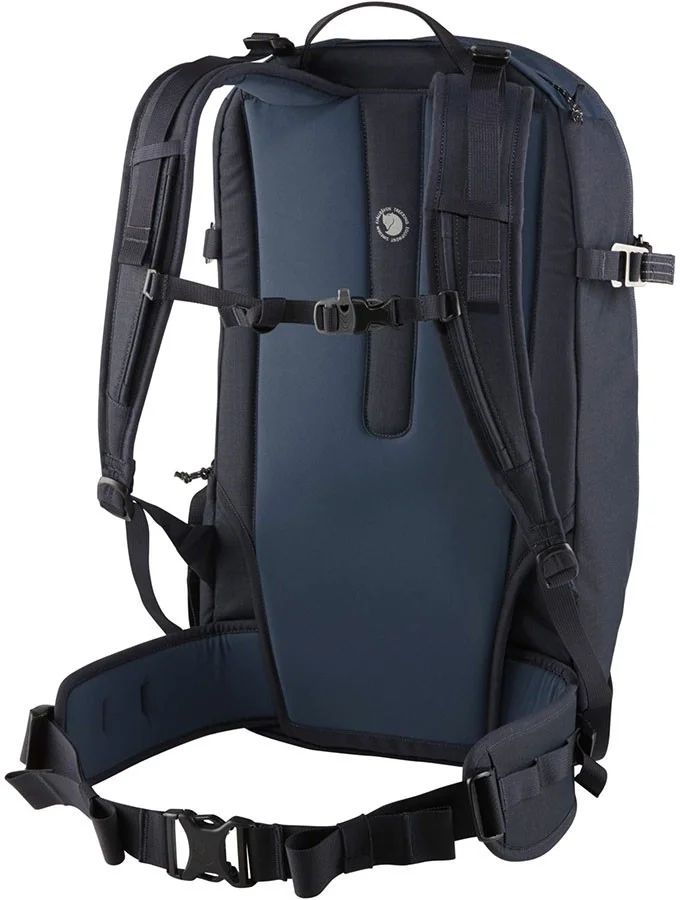
Keb Hike
The description combines urban use, day walks and ski outings. Confirm removable-belt and equipment-carrying options separately. A hydration sleeve cannot guarantee a fit for every laptop; check dimensions and protection of the contents.
Abisko
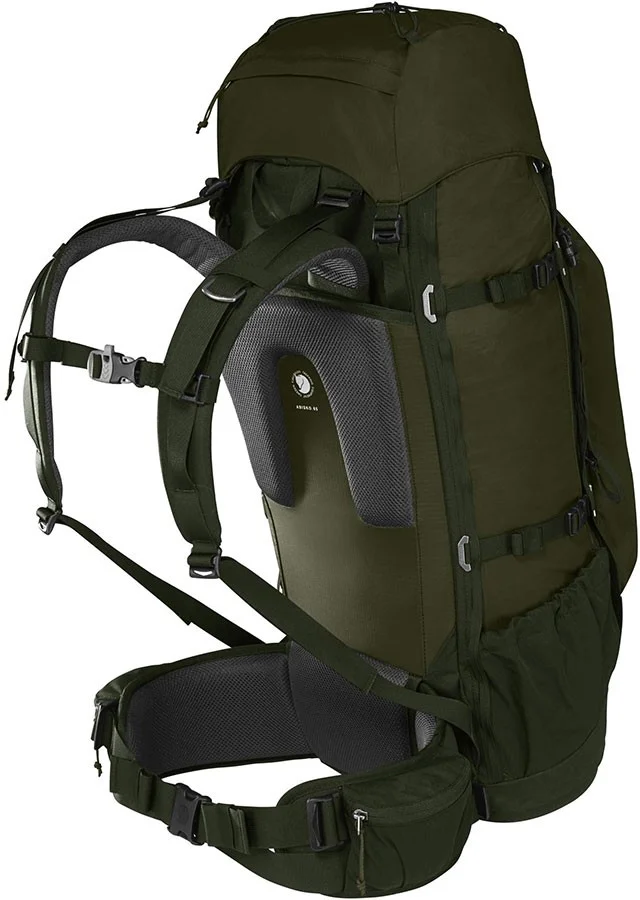
A pack lighter than the large ranges still needs assessment of its carrying system and permitted load. A rain-resistant base cannot protect open pockets and zips. Do not throw the pack onto sharp rocks simply because its fabric is described as tough.
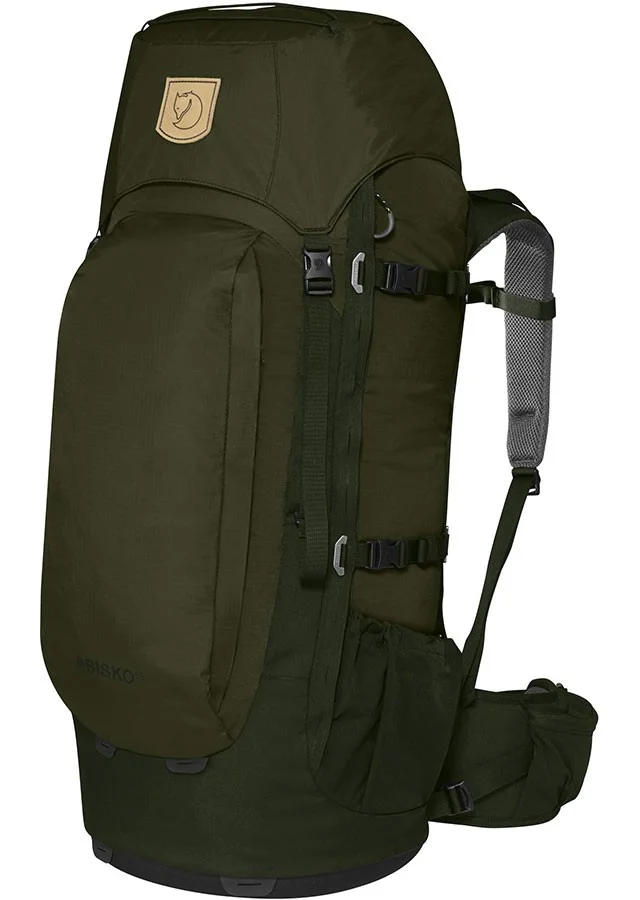
Kaipak, Friluft and Hike
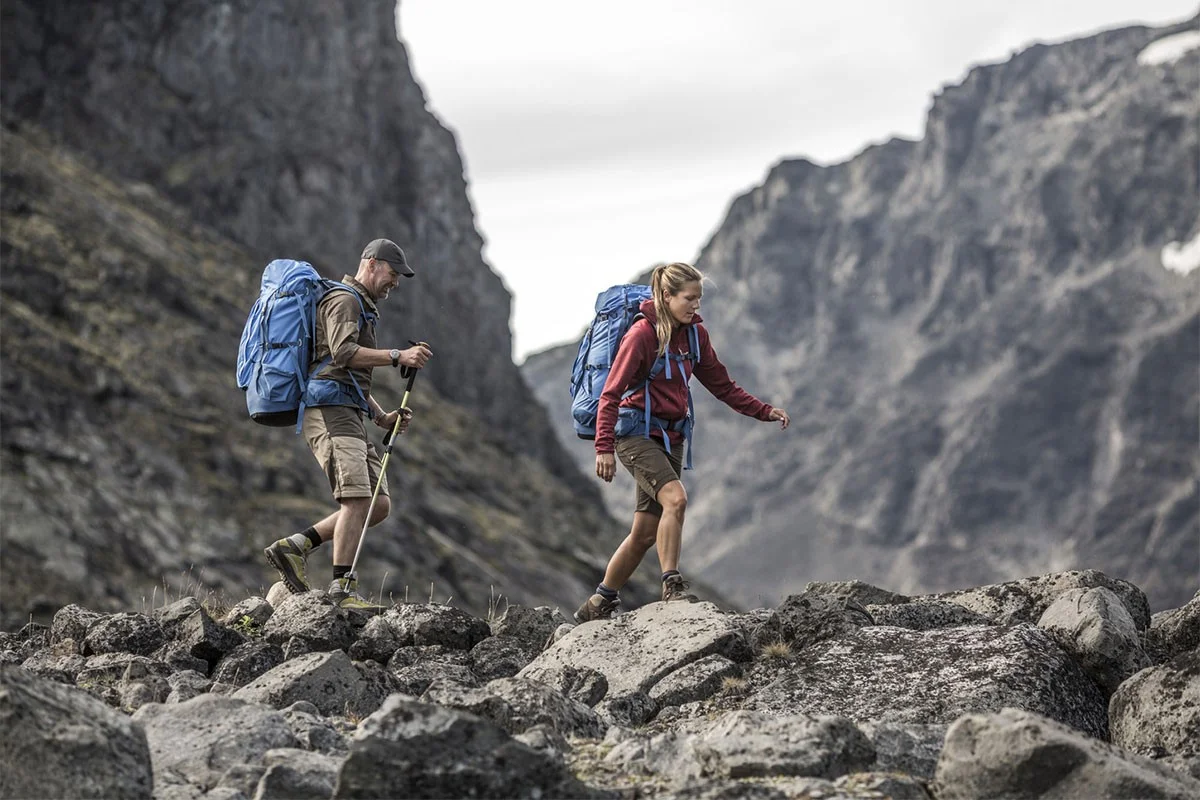
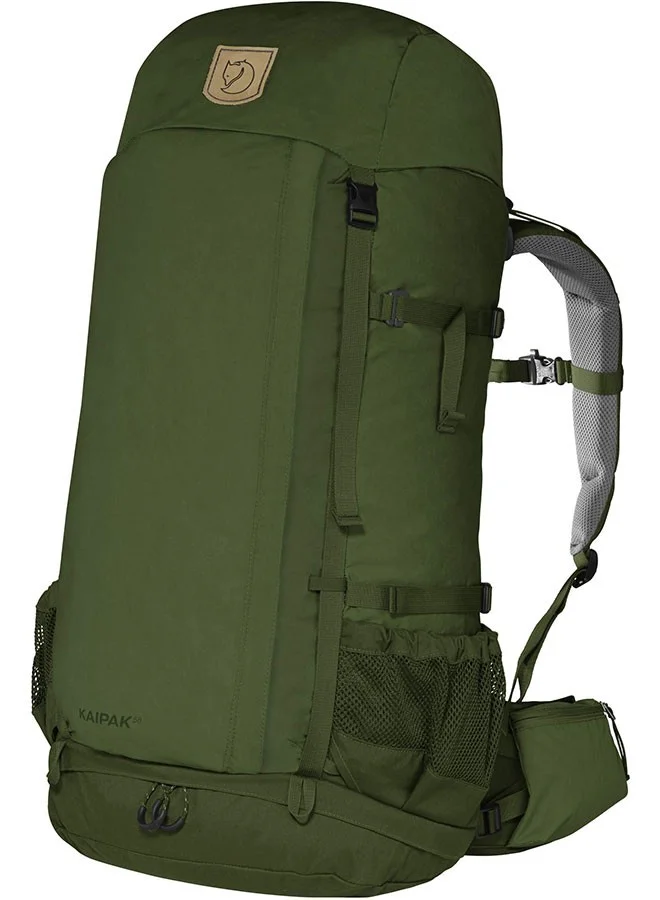
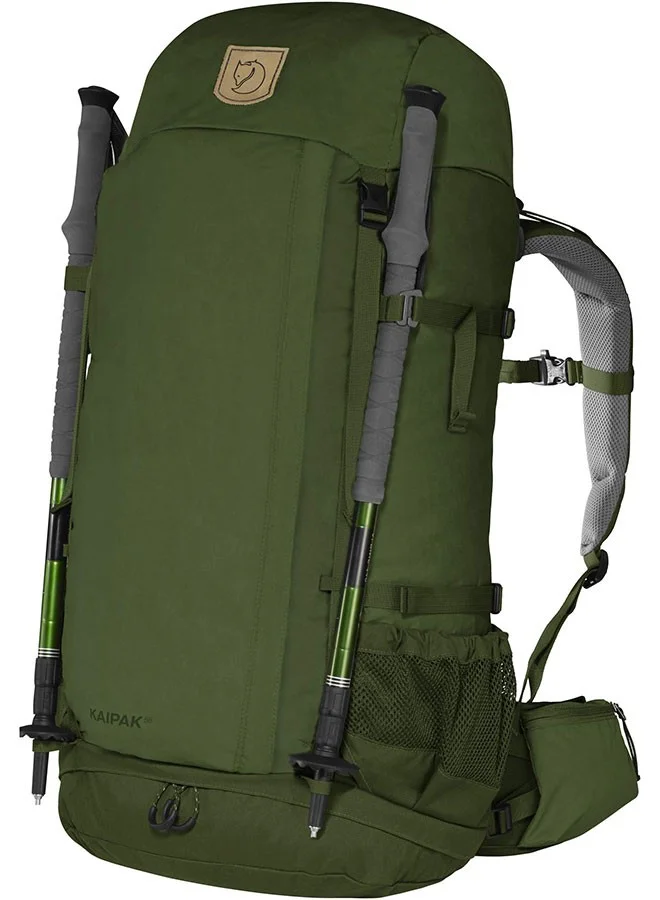
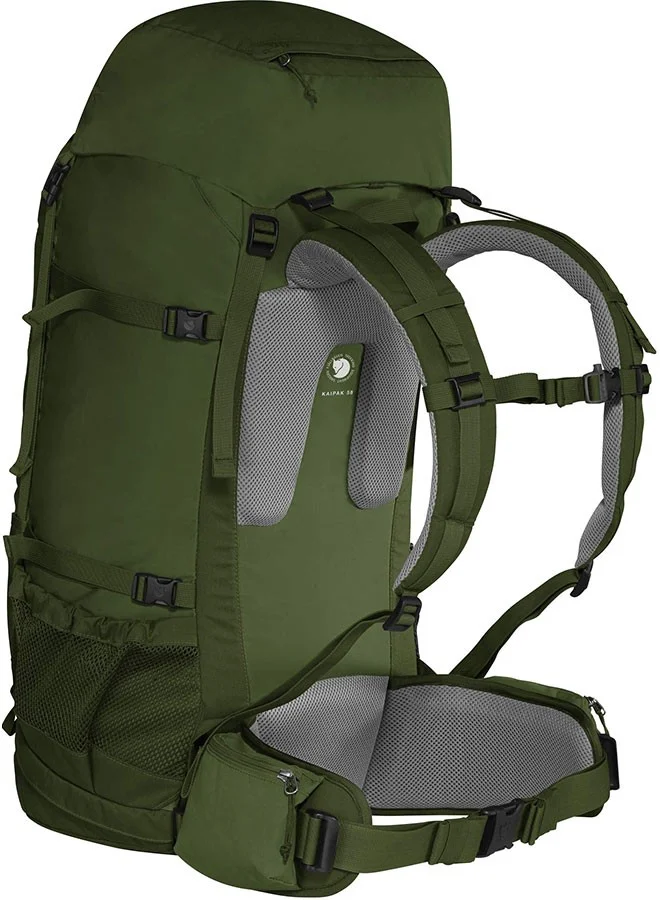
A simpler or fixed carrying system may fit well if it matches your back length. Capacity alone cannot determine trip duration: water consumption, food and season change the kit. Ventilated mesh and conventional back panels position loads differently; compare them during fitting.
Singi 20 and 28
The smaller options in the old range focus on day outings and everyday tasks. Compare belts, strap padding, access and external pockets. A small pack does not remove the need for water, weather protection and communication equipment.
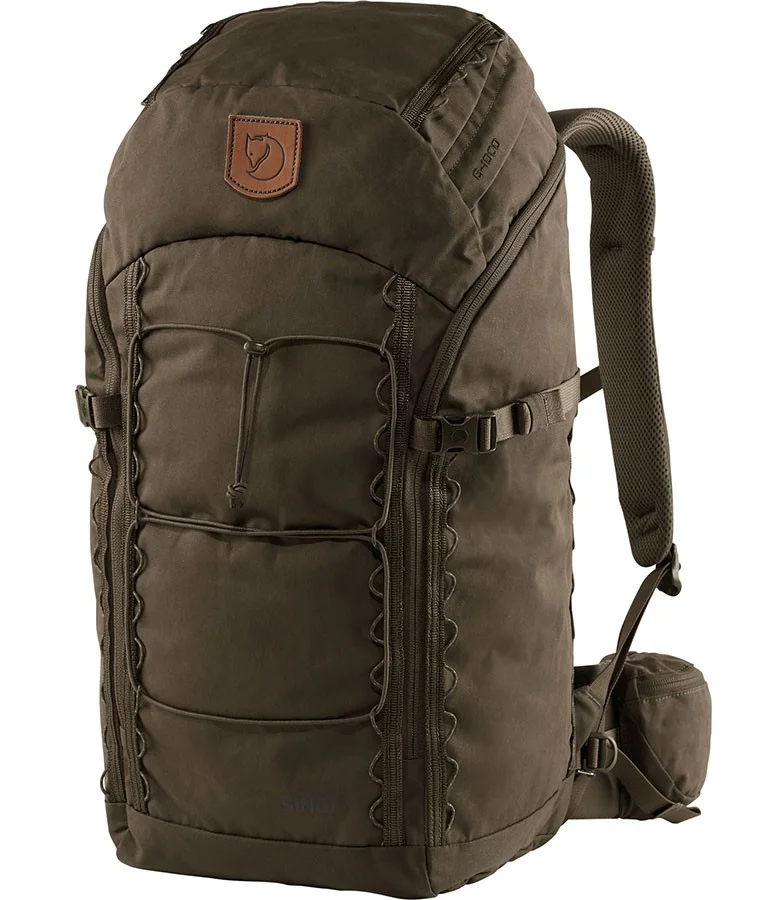
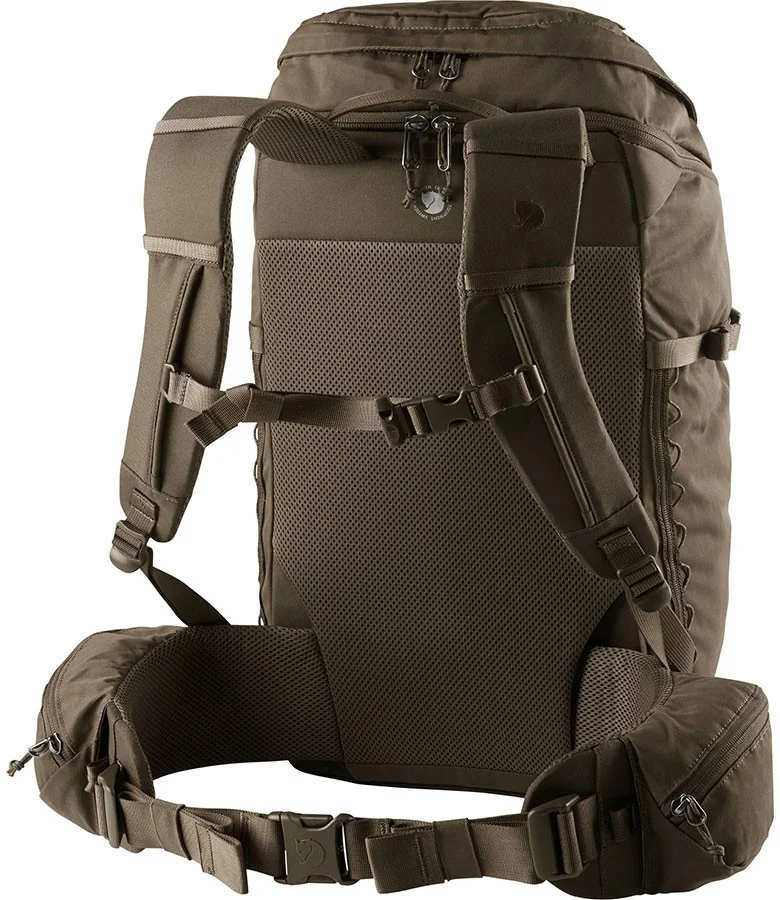
Singi 48
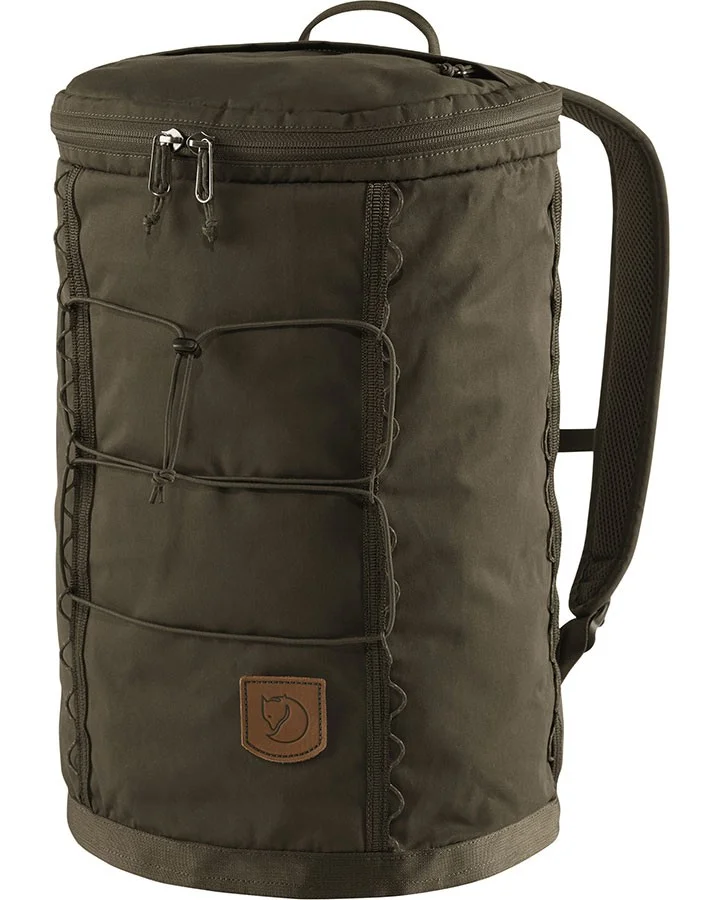
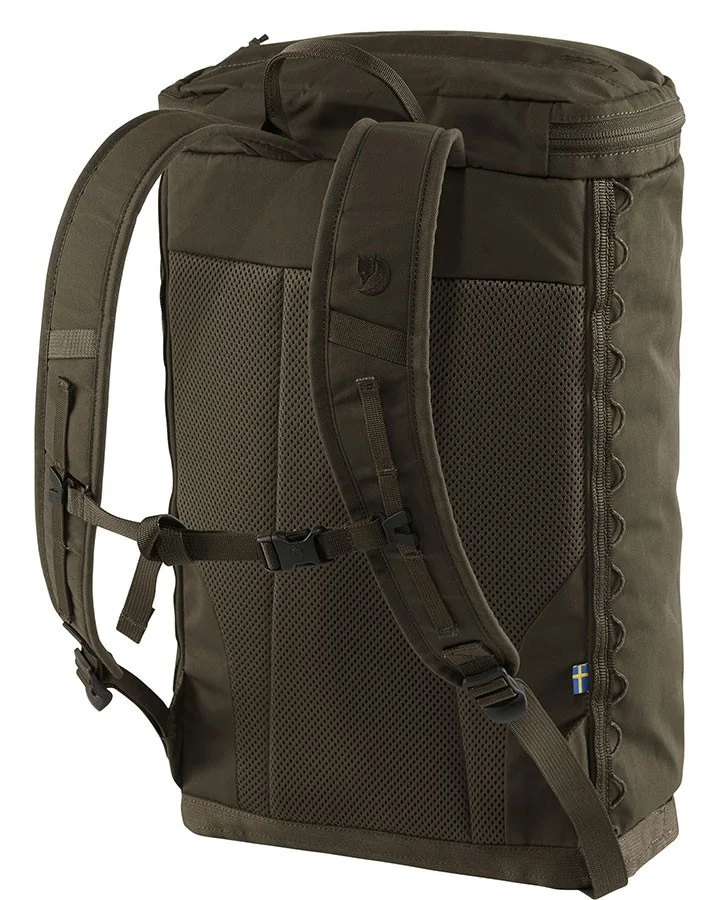
More volume accommodates a different kit but does not promise comfort with arbitrary weight. Check additional pockets and holders for compatibility; external attachments should not obstruct movement or catch on obstacles.
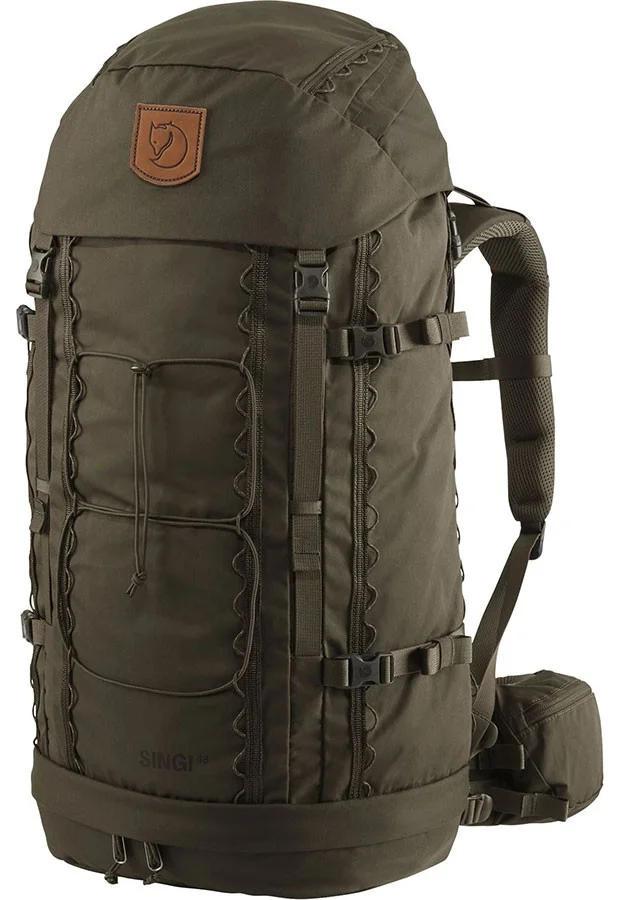
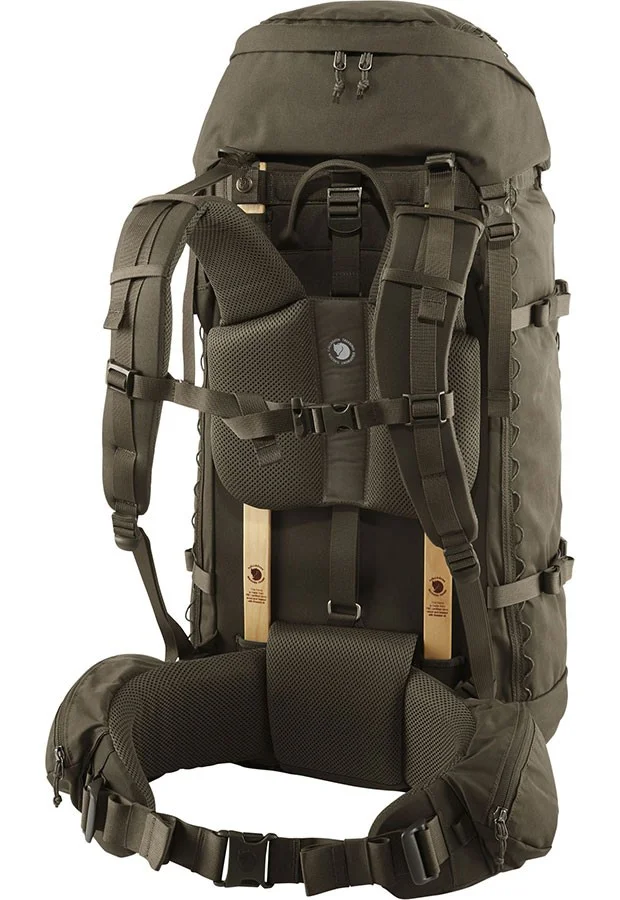
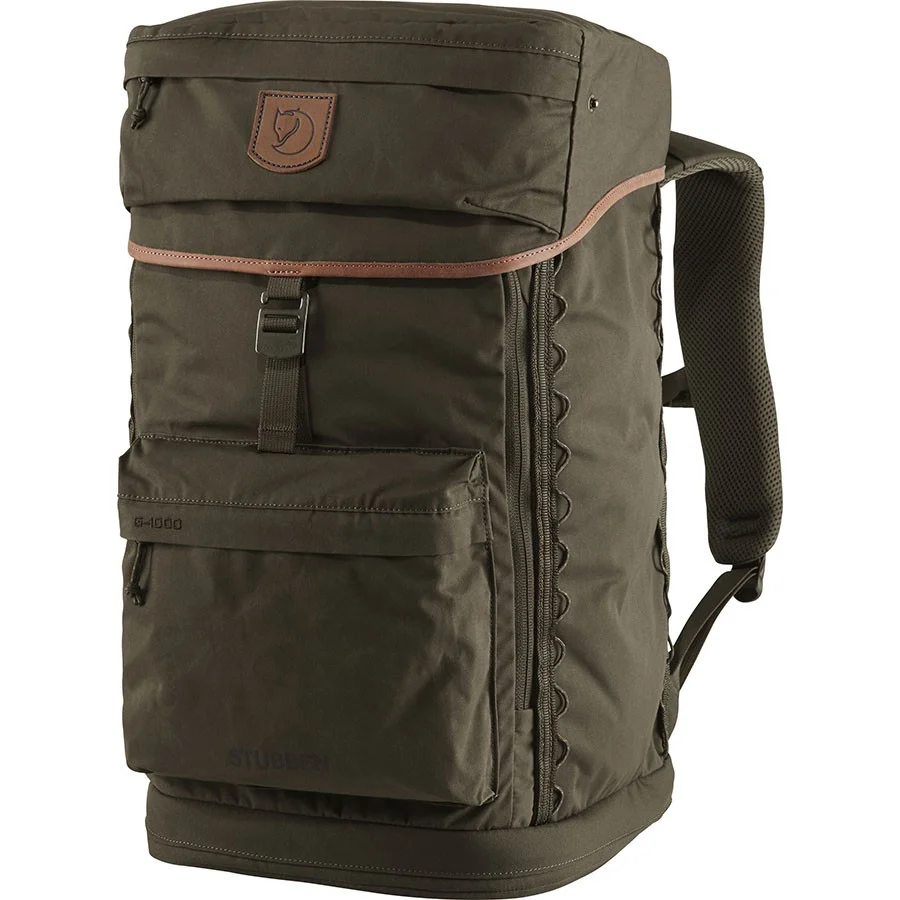
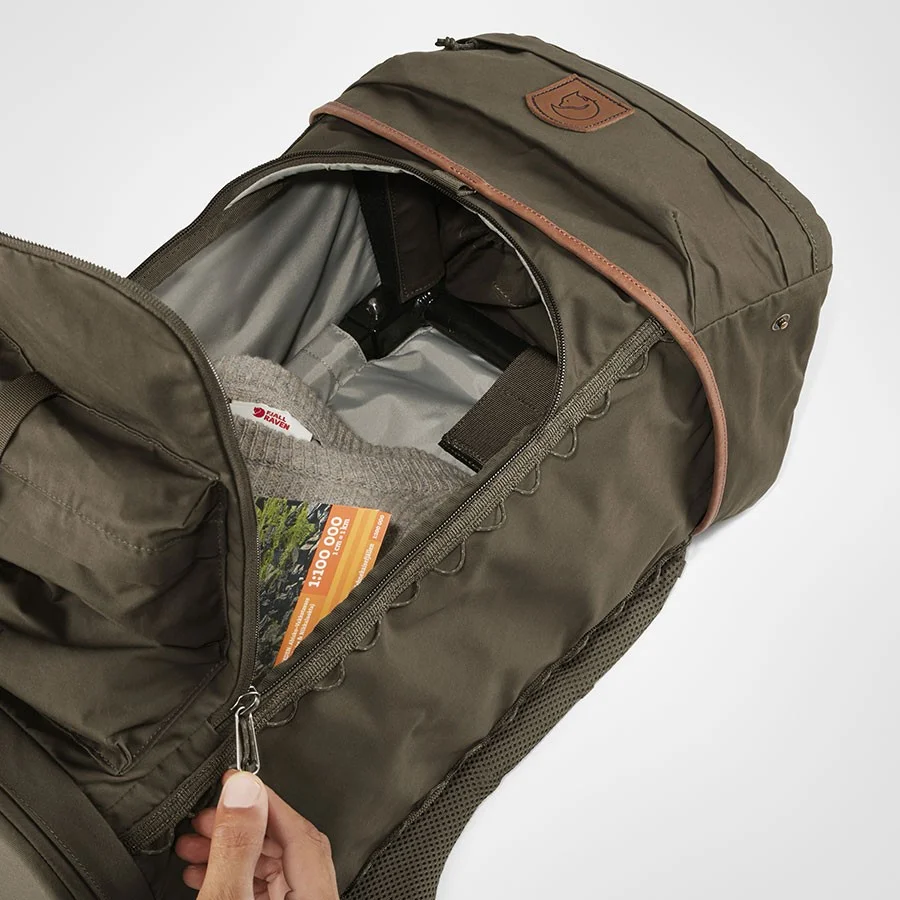
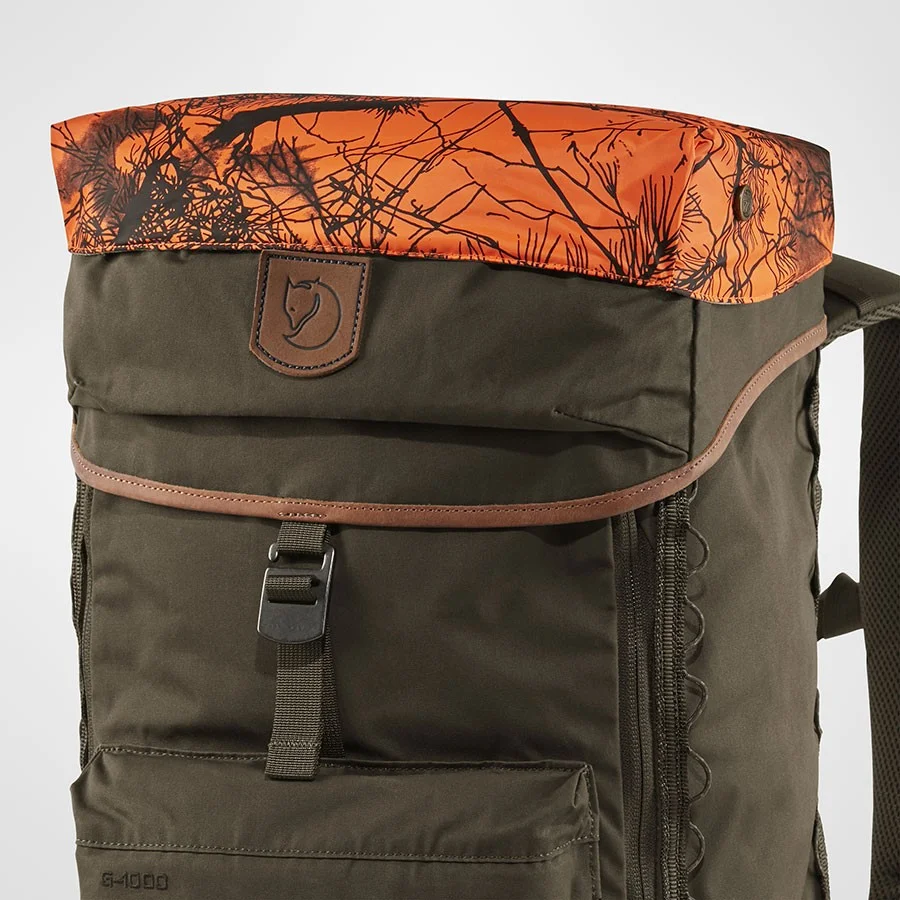
Singi Stubben
The framed design allowing the pack to be used as a seat is interesting for observation and fishing. Confirm load limits, stability on the site and usage instructions. Do not apply this version’s properties to every Singi.
Lappland Hike and the final fitting
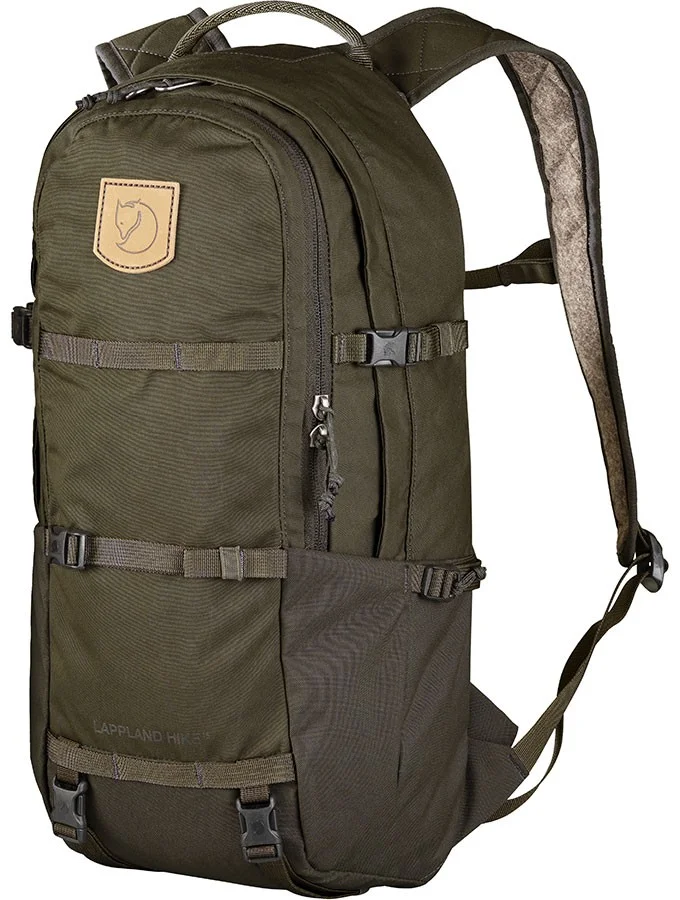
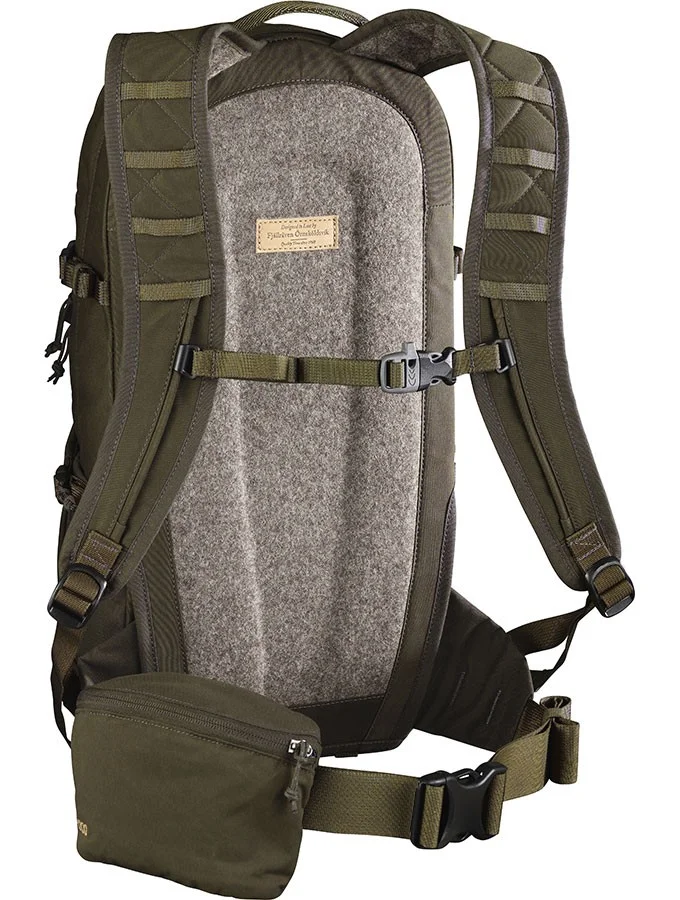
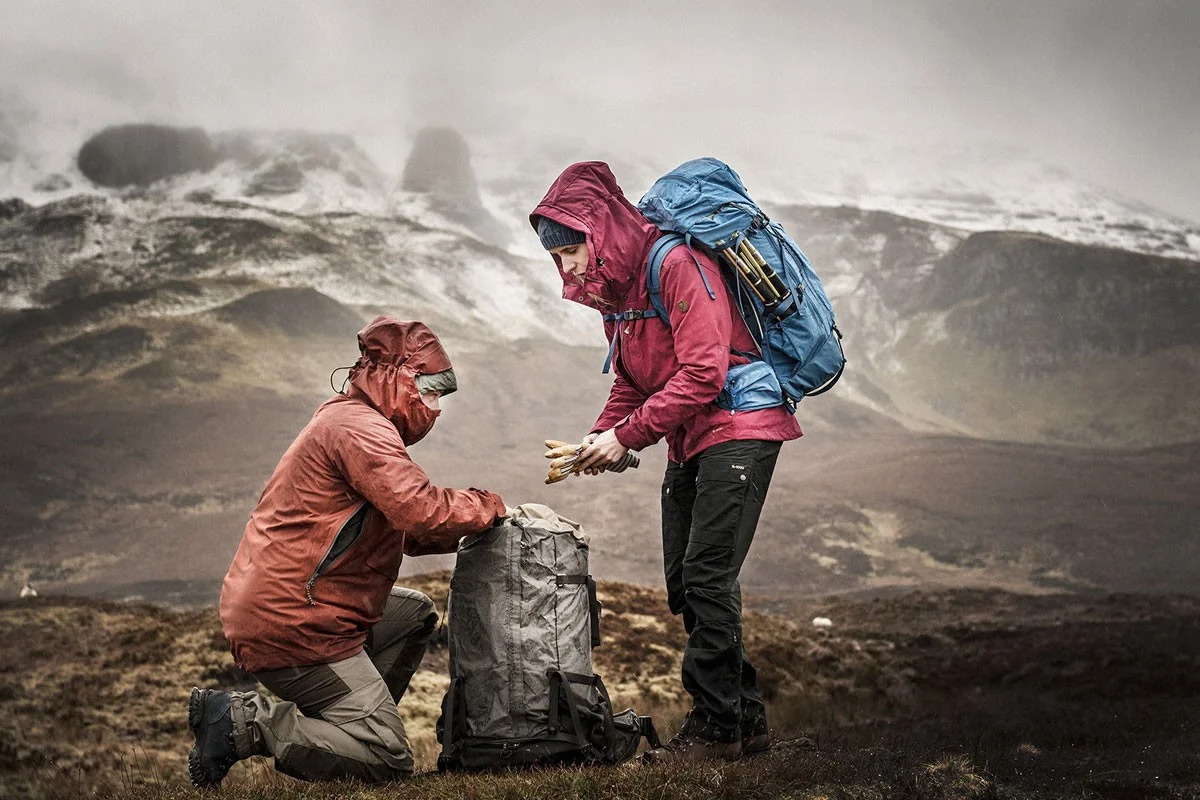
Understated colours and fabric features cannot replace comfort. Adjust the belt and straps for a realistic load, walk for several minutes and check water access. A rain cover cannot guarantee dry contents during immersion: use suitable internal protection for important items. The old overview helps explain construction differences rather than allowing selection without a fitting.