
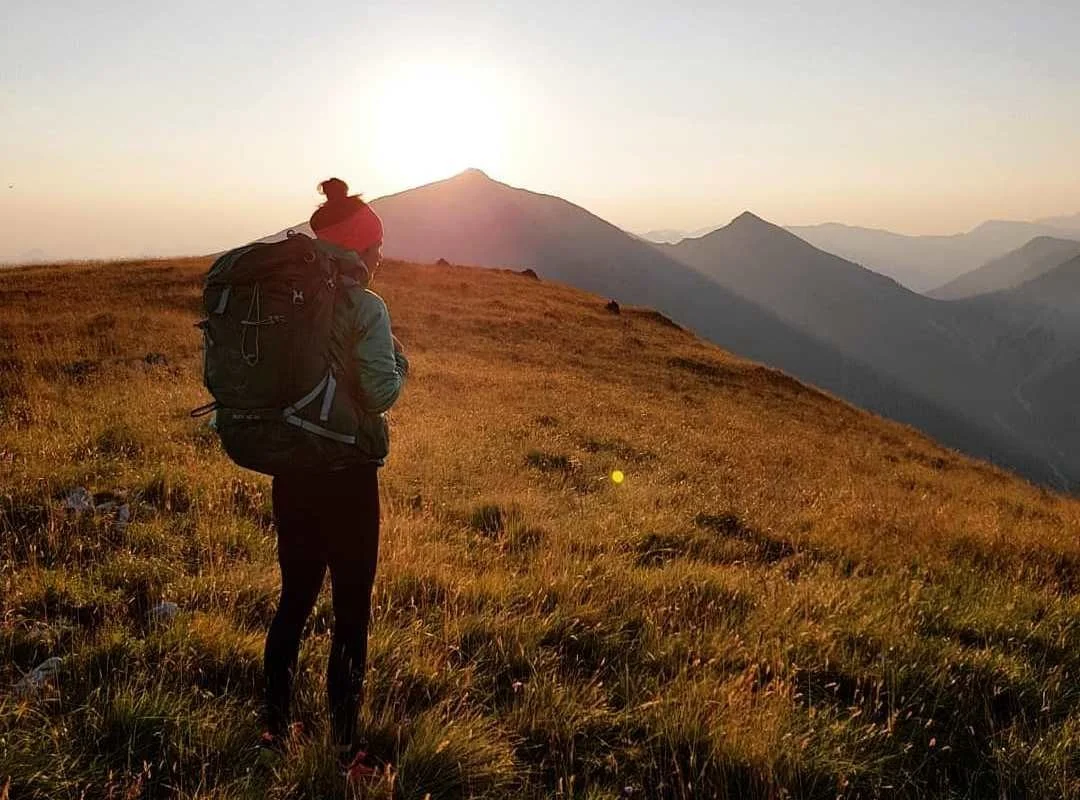
1. Change the scene and 2. take a walk
Even familiar woods offer a different day from sitting at a screen. Choose a manageable walk and relaxed pace. A hike does not automatically treat emotional difficulties or necessarily use every muscle; movement and observation can be valuable themselves.
3. Work within a budget and 4. learn a skill
A short local route lets you start without a major journey. Allow for transport, food and essential equipment nevertheless. Try map reading, packing or pitching a tent in suitable conditions. You need not forage or make fire to prove independence.
5. Spend time with friends and 6. discover something
Small shared tasks help establish roles and support. Ask what pace and load suit each person. A plant name, landscape feature or local history offers curiosity without pseudoscientific promises about neuron connections.
7. Meet people and 8. find inspiration
Meeting others is possible rather than compulsory. Respect boundaries and other campsites. Take a notebook or camera if you want to draw, write or notice details; a good outing needs no exceptional creative result.
9. Break routine and 10. learn your preferences
Try a day outing, then decide whether you want an overnight. Note what footwear feels comfortable, what was unnecessary and when to rest. Testing your limits through danger is unnecessary. Forecast, permitted route, communication and return time remain part of preparation even for a simple walk.