Assign responsibility
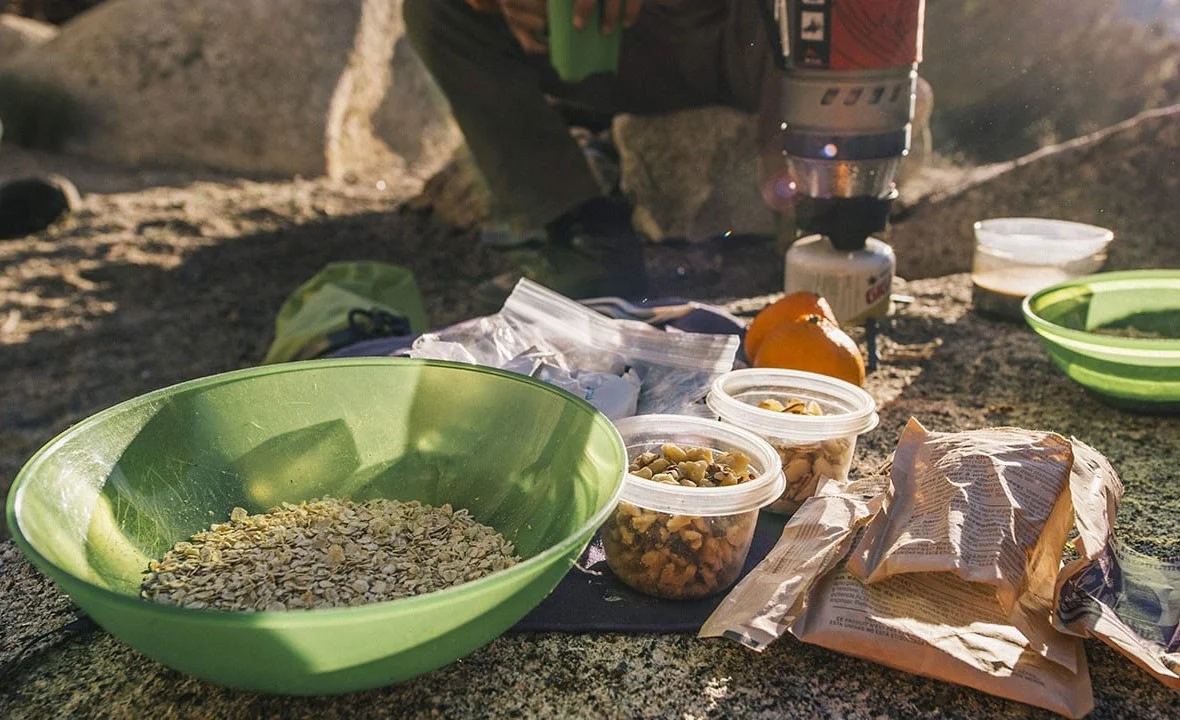
Agree who prepares menus, buys food and checks shared cooking equipment. Establish what the organiser supplies and what participants carry. Start early, but a preparation period twice the trip’s length is not a compulsory rule.
Collect requirements
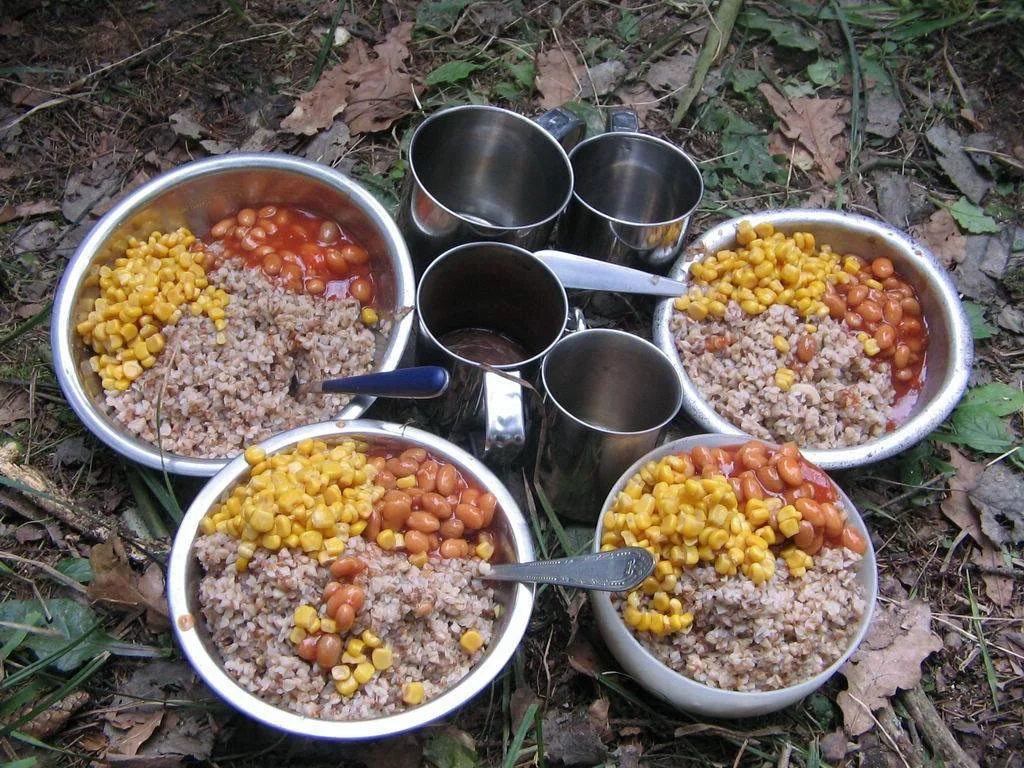
Record group size, duration, resupply points and cooking opportunities. Allow for allergies, familiar foods and individual medical restrictions. Calculate food and fuel reserves for possible delays rather than only an ideal schedule.
Portions and energy
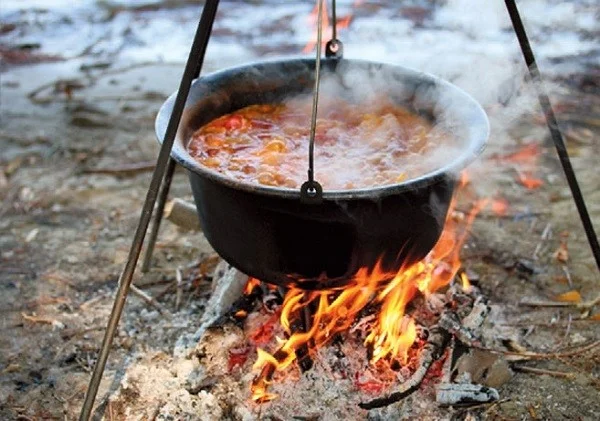
Match the menu to effort and group appetite. A single calorie table by route category cannot describe everyone’s needs. Check package figures and distinguish dry grain from cooked porridge. The menu should not revolve around maximising fat or promises of weight loss.
Meal timing
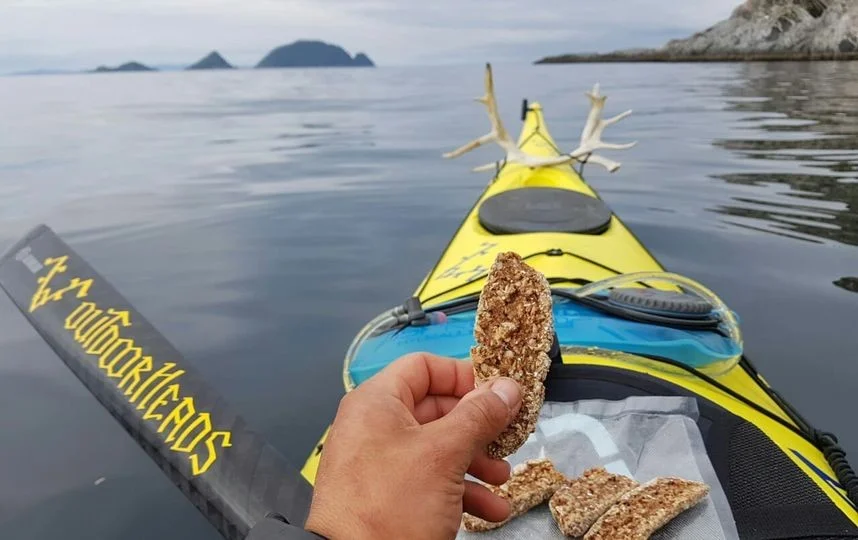
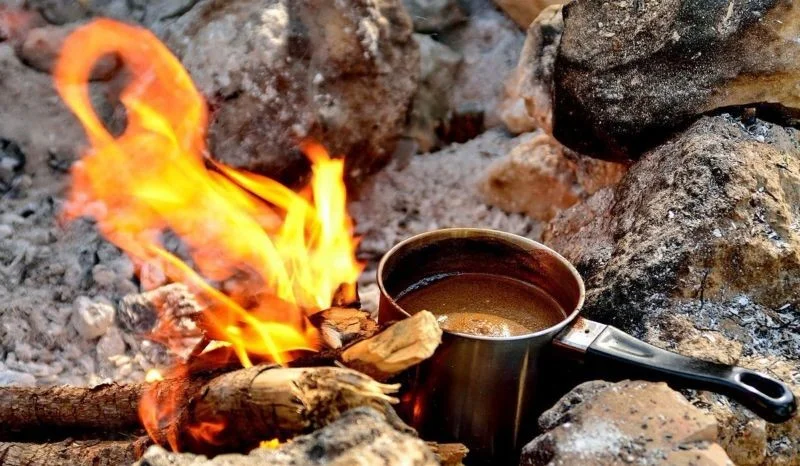
Plan breakfast, a convenient daytime snack and dinner. Hot lunch is not always possible; retain food that needs no cooking. Plan water and its treatment separately. Cook outdoors in permitted locations.
Storage and hygiene
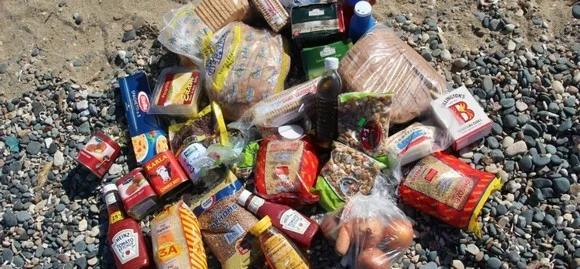
Separate raw ingredients and ready-to-eat foods and follow temperature requirements. Do not rely on catching fish as a compulsory part of the menu. Short-life foods do not become safe merely because the night is cool.
Packing and carrying
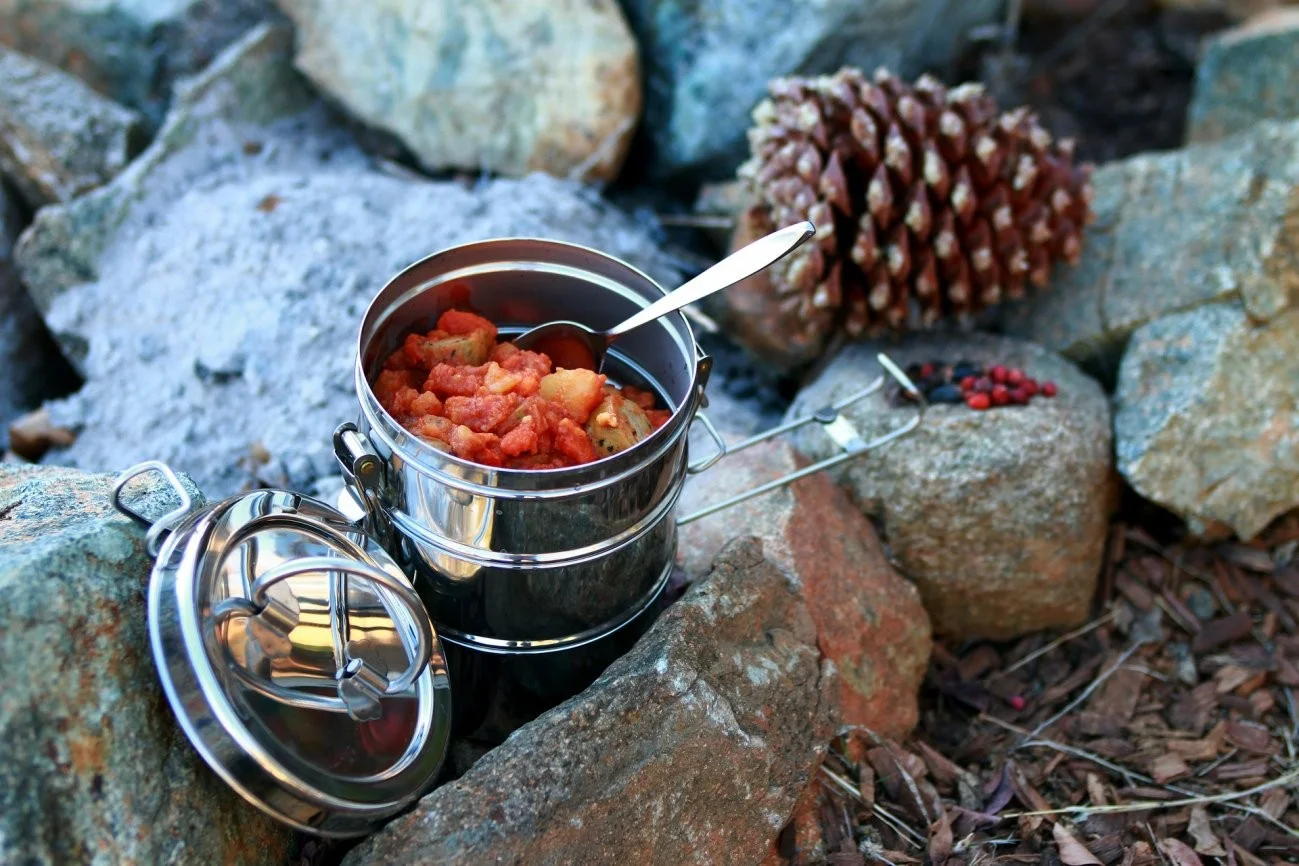
Divide portions by day, label contents and distribute loads according to ability. Allow for portages on water routes and the full packaging weight. Food caches are appropriate only under site rules and with a plan to retrieve everything. Monitor consumption along the way and take all rubbish out.