
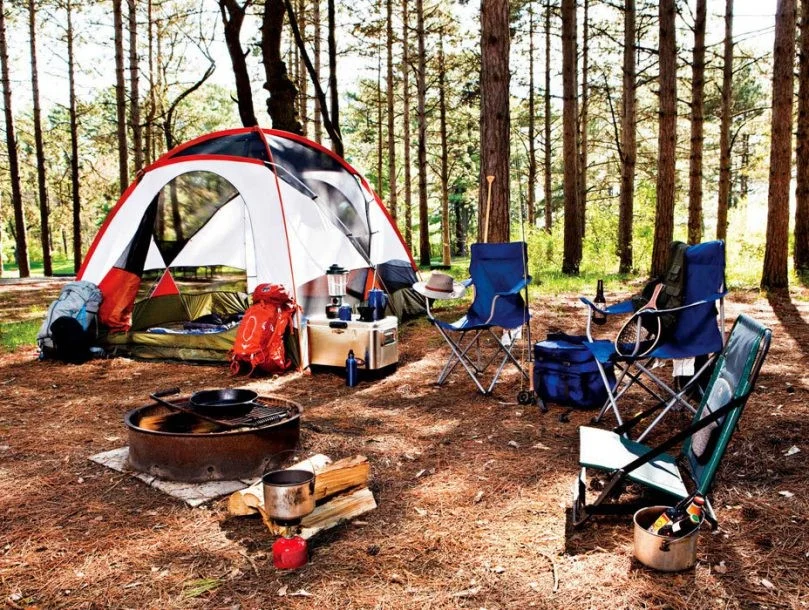
When planning a mountain trek, as with any undertaking, you need especially thorough preparation: quality gear, medicines, a camping tent, sleeping bags, as well as food and clothing. This is especially important for beginners who are heading out on a trek for the first time.
Contents:
1. What a Beginner Needs to Know About a Trek
2. Most Common Mistakes When Planning a Mountain Trek
3. Items You Should Take With You
What a Beginner Needs to Know About a Trek
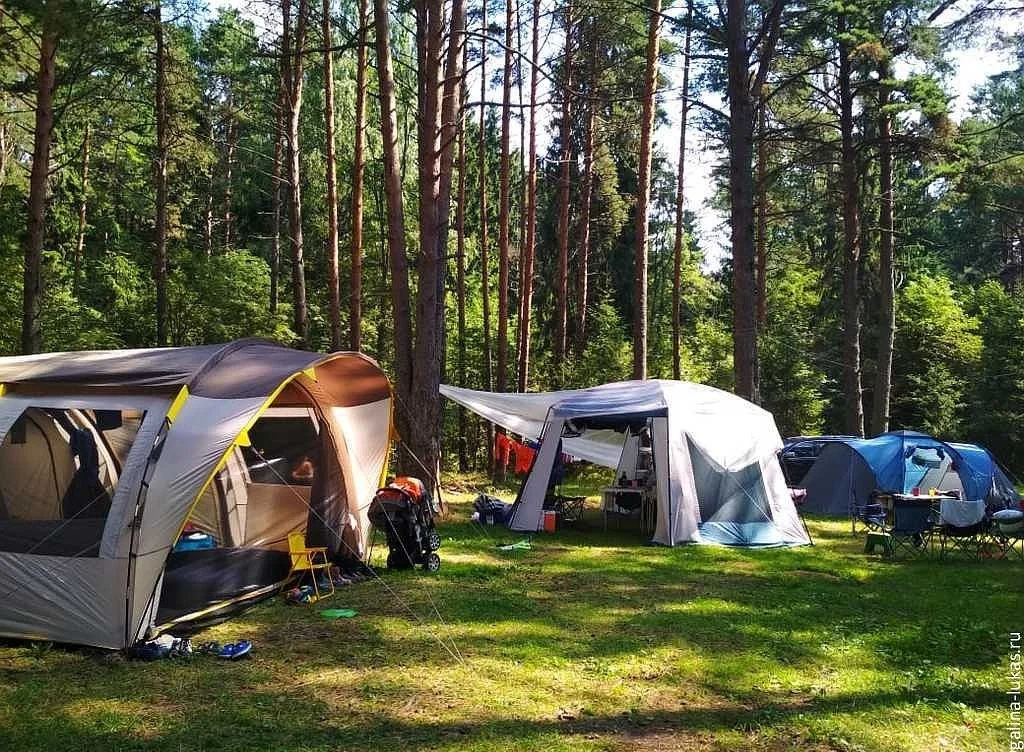
When planning a mountain trek, the first thing to do is to make a list of the absolute essentials. You don’t need to bring a large number of items, because you’ll have to carry everything over long distances. It’s also important to choose a backpack appropriate for the trek’s duration: typically, for a one‑day trek people choose 30‑40 liter packs, and for longer trips 50 liters or more.
It’s also crucial to consider your own comfort and pick the most comfortable footwear – this can be sports sneakers or trekking boots, depending on the weather. Shoes should be broken in beforehand. Follow the principle of layering in clothing, as each layer separately protects against cold, wind, rain, and so on.
It’s also wise to prepare mentally, since no one promises an easy road, especially for a complete beginner. In addition, be sure to inform friends or family where you’re going, who you’re going with, and the approximate return date.
Most Common Mistakes When Planning a Mountain Trek
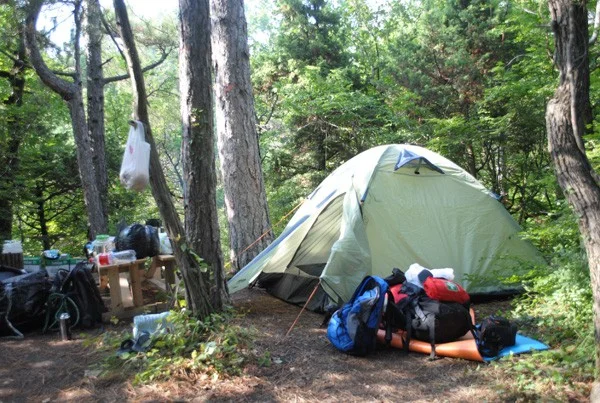
First of all, under no circumstances should you hike alone, especially if mountain tourism is new to you. Beginner outdoor enthusiasts often don’t use a map, don’t verify the information they receive, and don’t read guidebooks that contain essential and warning information about the area they plan to visit. Moreover, heading into the mountains without any accompaniment carries the risk of being left without help at the most inconvenient moment.
Second, before setting out you need to carefully plan and study the route, gathering information about the route length, nearby campsites and other tourists’ stops, an alternate route, options for shortening the path or turning back, as well as the weather conditions.
Items You Should Take With You
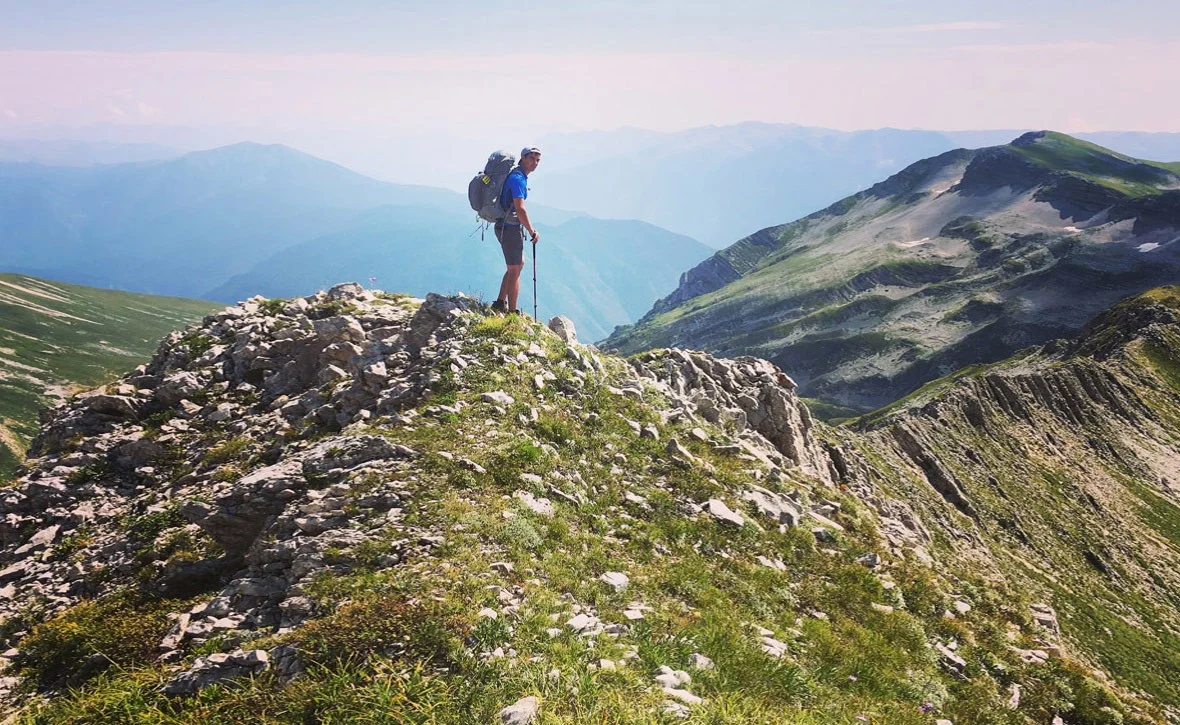
You must pack a first‑aid kit for emergencies, which should include painkillers, insect‑bite remedies, medication for food poisoning, and, depending on the weather, sunscreen. It’s also advisable to take care of personal hygiene by bringing a toothbrush, toothpaste, soap, wet wipes, and thermal water.
Choosing a comfortable place to sleep is one of the most important things when it comes to a mountain trek. The best option is a tent, which should be selected according to the number of people in the group. To make sleeping in the tent more comfortable and warmer, you should also bring sleeping bags. Most importantly, lay a sleeping pad underneath them to even out the ground a bit and add extra comfort.
Undoubtedly, a trek cannot do without essential tools such as a flashlight, matches, a universal Swiss knife, an axe, some cookware, pots for cooking over a fire, and cloths with cleaning agents for them.
As for food: this aspect should be approached responsibly and thoroughly. The amount of provisions will depend on the length of the trek and the number of participants. Estimate the amount of food per person and draft an approximate menu. You can bring various canned goods that keep for a long time, grains and noodles – it’s best to transfer them into plastic bottles so nothing gets soggy in rainy weather. For sweets, pack some dried fruit and dark chocolate. In addition to the food itself, you may need some spices and salt.