
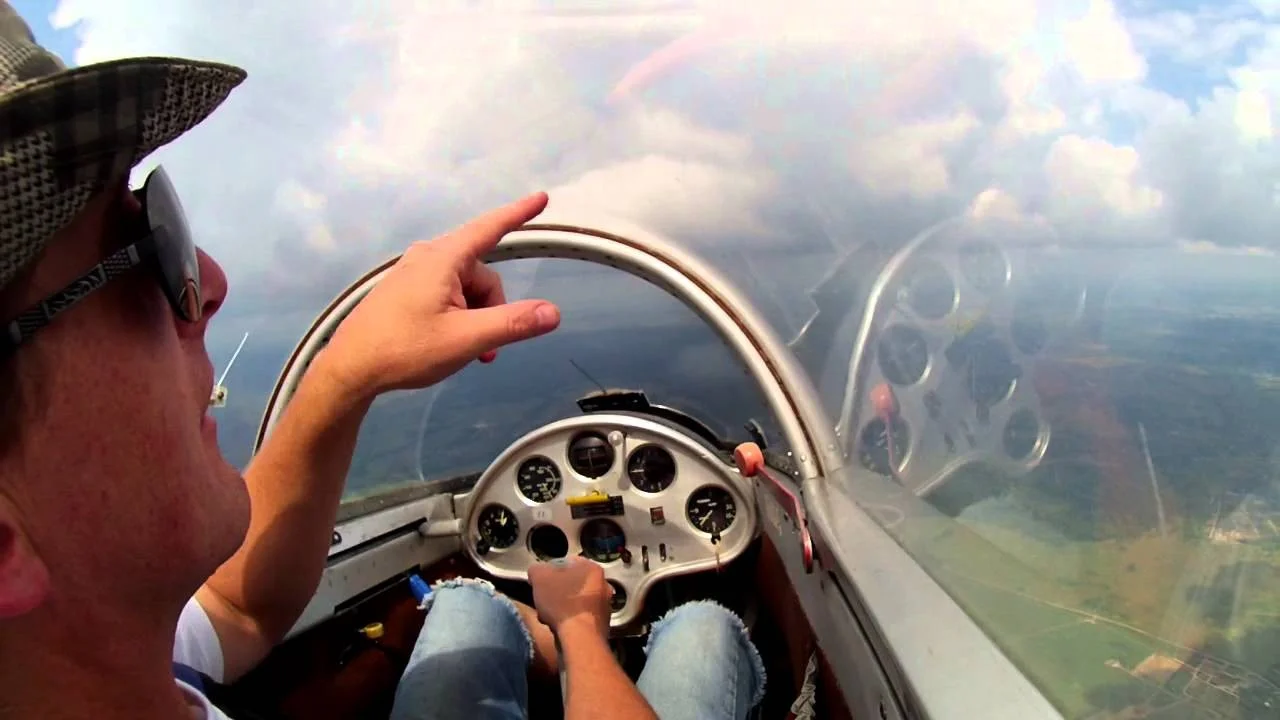
Sailplanes: a rigid wing and a cockpit
In gliding, the terms glider and sailplane often refer to the same aircraft type. A sailplane has a rigid wing and a pilot’s cockpit; rising air supports sustained soaring. An introduction normally involves a club, training and organised flying rather than buying an aircraft for an occasional outing.
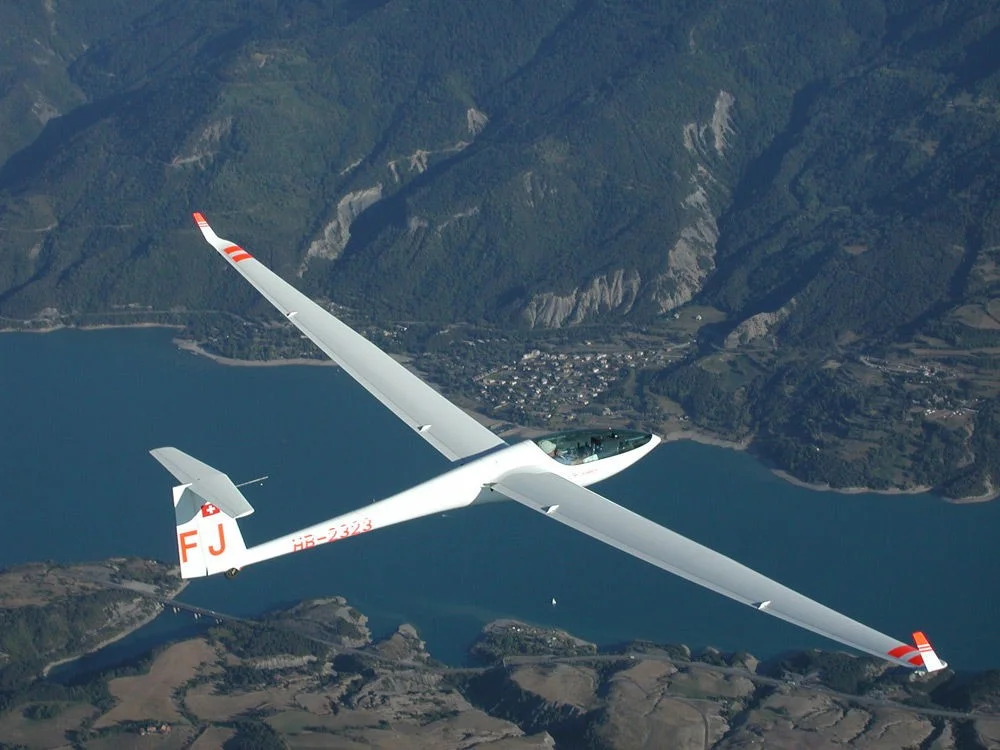
Hang gliders: a supported wing
In a common flexwing hang glider, a frame supports the wing’s shape and the pilot is suspended beneath it in a harness. This is a separate discipline with its own techniques and training. Skills should not simply be transferred from another aircraft because both make use of air currents.
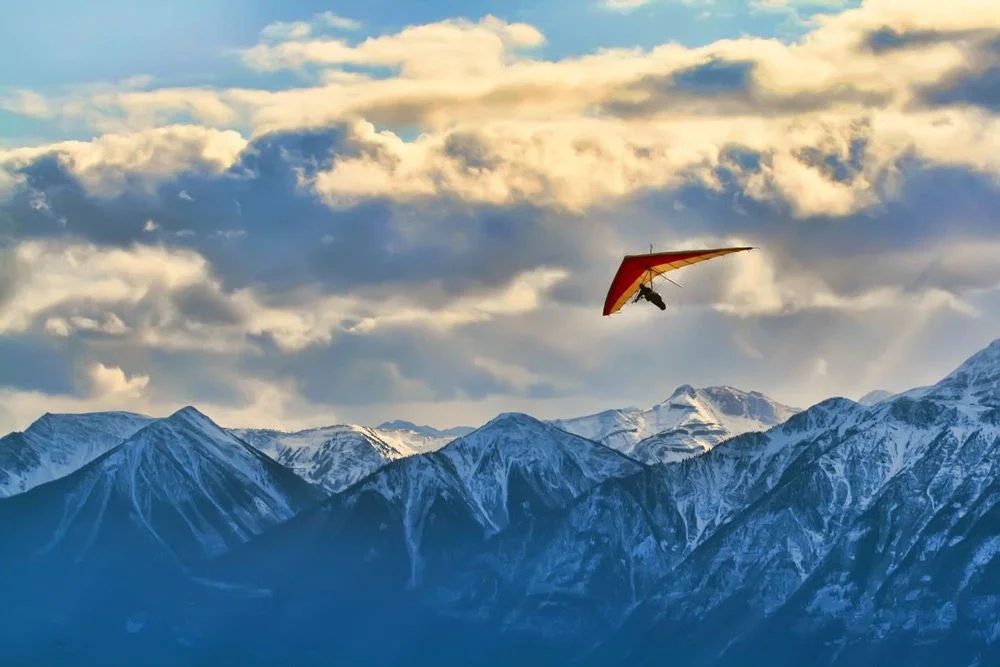
Paragliders: a soft wing and harness
A paraglider has a soft wing without a rigid frame, suspension lines and a harness. Compact transport does not make it a toy or mean that any hillside is suitable. Weight, speed and performance depend on the particular equipment; one universal figure cannot describe every model.
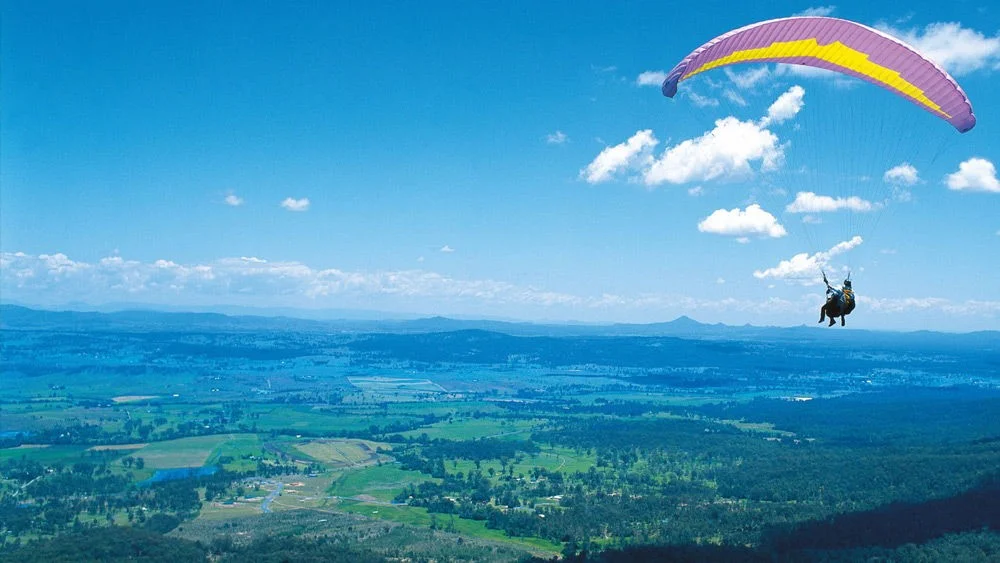
Choosing an introduction
Start with a school or club specialising in the relevant discipline and explaining participant requirements. Establish what is being offered: a ground introduction, a lesson or a flight with an instructor. Ask about weather cancellations and equipment provision. Discuss buying your own equipment during training rather than starting with a purchase.
What this overview does not establish
This article does not establish permission to fly in Ukraine or any other country. Current airspace restrictions, authorised sites and local requirements need separate checks. Neither the text nor the archive video replaces pilot training, a briefing or an instructor’s decision about suitable conditions.
Archive video
The video is retained as an illustration of flight. It does not replace training or provide instructions for repeating manoeuvres.