Start with stopping and clear space
Before joining a shared route, learn to stop and control movement with an instructor. Choose a dry, level area away from vehicles, steps and slopes towards water. A long path is not automatically suitable for lessons: it may offer no room for a calm turn and stop.
Check skates and protective equipment
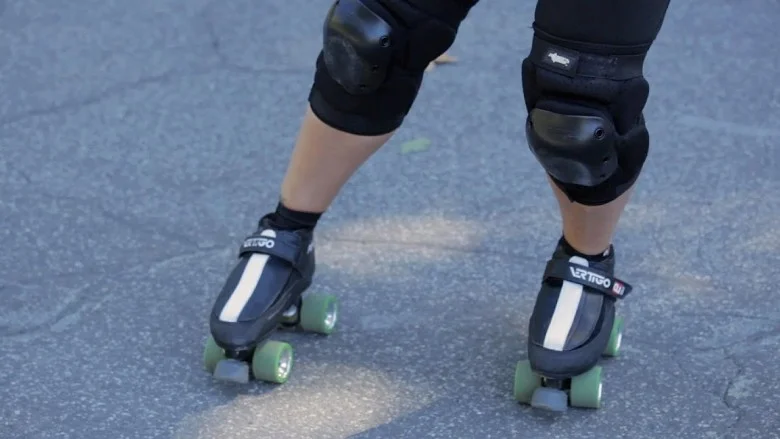
Inspect wheels, fittings and closures according to your model's instructions. Choose a helmet, wrist guards, elbow pads and knee pads, and check their fit beforehand. CPSC emphasises protective equipment and learning to stop. Wearing protection does not mean you should immediately increase speed or enter a crowded area.
Work through the movement with a teacher
Ask for a demonstration of a basic low-speed turn and an explanation of how it relates to your stance and stopping. Do not mix technique names from different videos or try to correct foot placement from a single written description. Practise a new element separately, with enough clear space and a way to stop the exercise.
Move gradually towards an outing
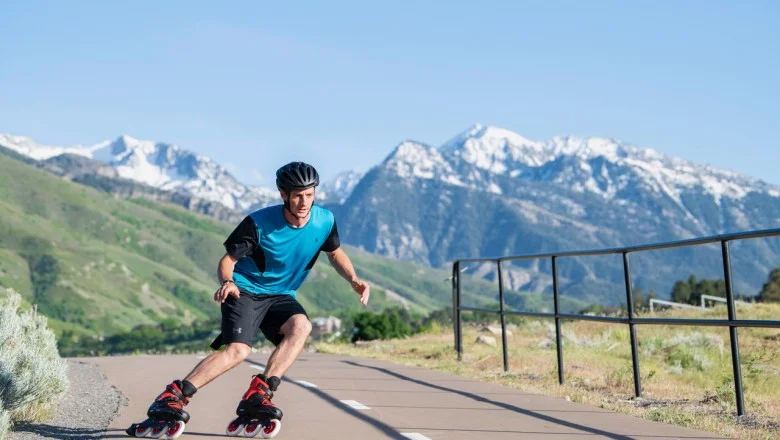
Keep the first route short and familiar, without difficult surfaces or unexpected gradients. Follow the area's rules and give pedestrians space. If moving still requires constant strain, return to a clear practice area. The aim is to choose a direction calmly and stop in time, not learn as many tricks as possible in one day.