Start with its intended use
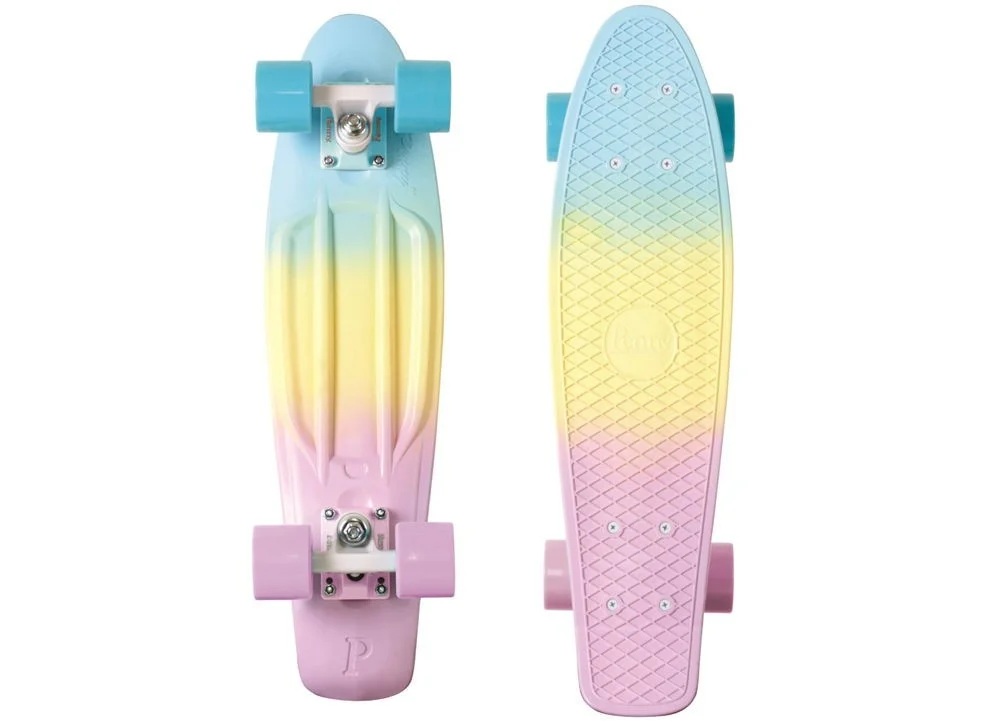
Penny is a brand name; similar compact plastic boards come from different manufacturers. Do not apply one model's specifications to every board of this kind. Check the exact product, intended use and restrictions in its documentation rather than only the colour or a claim that it suits everyone.
Assess the space for your feet
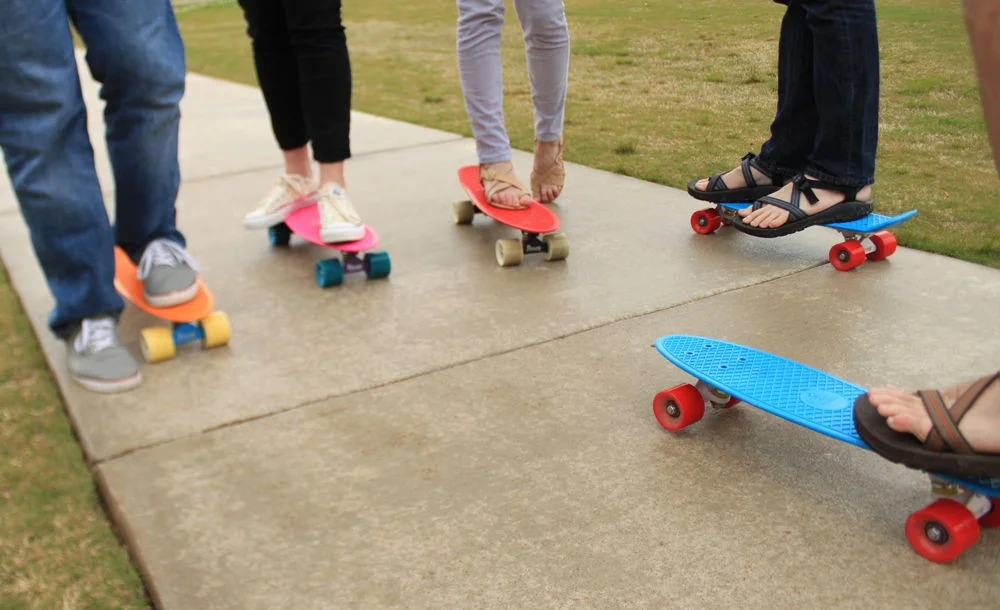
With help from a shop specialist or teacher, try foot placement on a stationary board. Establish whether its size suits your experience and planned outing. The smallest model is not necessarily the most comfortable for learning; ease of carrying alone is not a good reason to choose it.
Check the kit and maintenance
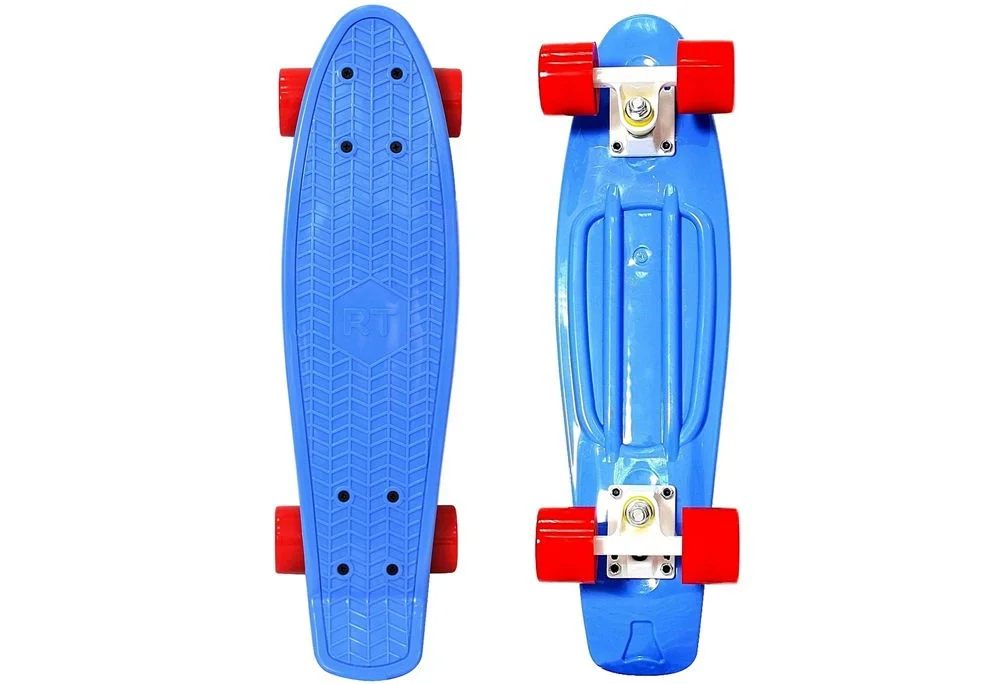
Inspect the deck, wheels and trucks, and learn the manufacturer's inspection and maintenance arrangements. A used board with unknown modifications is worth showing to a competent technician. Do not try to change its behaviour by arbitrarily tightening every connection.

Prepare for the first lessons
Choose a permitted, level area away from traffic and work through protective equipment and stopping with an instructor. The retained archive videos illustrate different boards and techniques, not a compulsory training sequence. There is no need to repeat video tricks on your first outing: start with a clear, short lesson.