
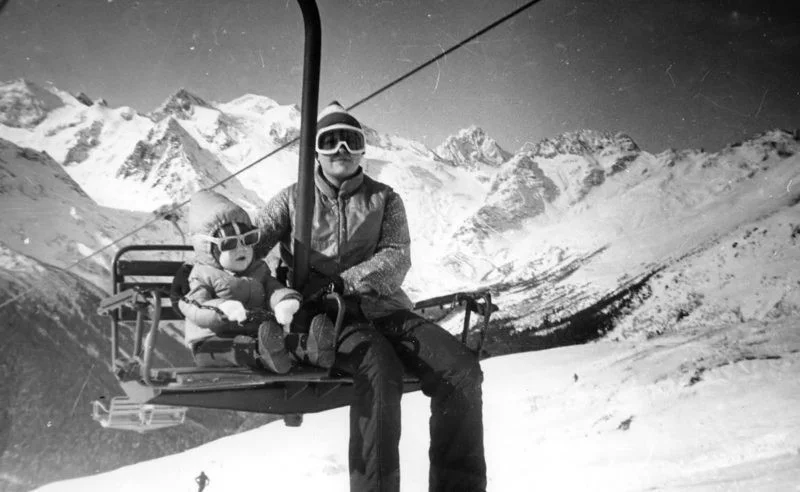
A photograph of skis does not establish alpine skiing
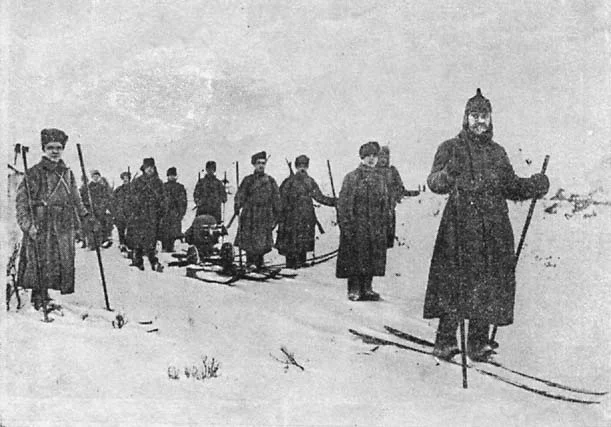
An archive photograph may show skis without identifying the discipline, date or circumstances. A military unit moving over snow is not, by itself, evidence of slalom competition. A historical account needs a caption backed by a traceable source, not simply similar equipment.
An Olympic reference point: 1936
The IOC dates alpine skiing’s Olympic debut to the 1936 Games in Garmisch-Partenkirchen. This reference point helps separate international competition history from the broader history of ski use. It does not prove that a particular school, club or slope was established in the same year.
A verifiable result: the 1956 slalom
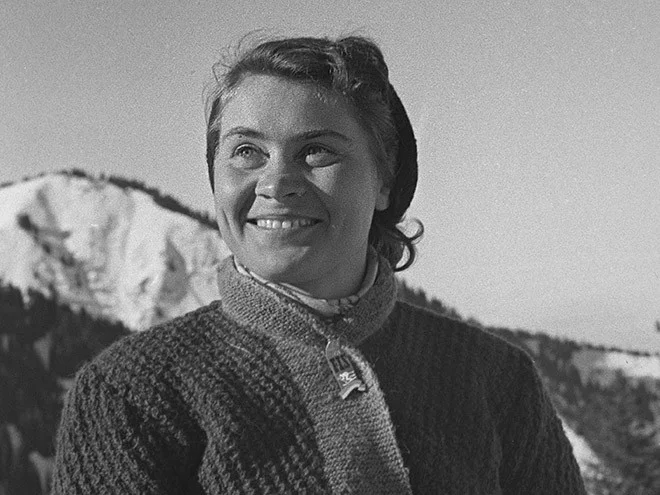
The official FIS database lists Evgeniya Sidorova third in the women’s Olympic slalom at Cortina d’Ampezzo on 30 January 1956. This is a specific sporting result that can be cited. It does not automatically establish when mass recreational alpine skiing began or how popular resorts were across a country.
Checking an appealing archive story
Verify the event name, discipline, date and participant separately. If an account jumps from military training to medals and then to resorts, look for evidence supporting each connection. The illustrations here are retained from the archive; their locations and dates have not been established, so they are not presented as photographs of the Olympic events mentioned.
What history offers today’s reader
In a museum display or old magazine, look beyond the word “ski” to an explanation of how the equipment was used. Choosing lessons today requires different information: the discipline, training programme and arrangements at a particular school. An athlete’s historical success cannot replace those practical details.