
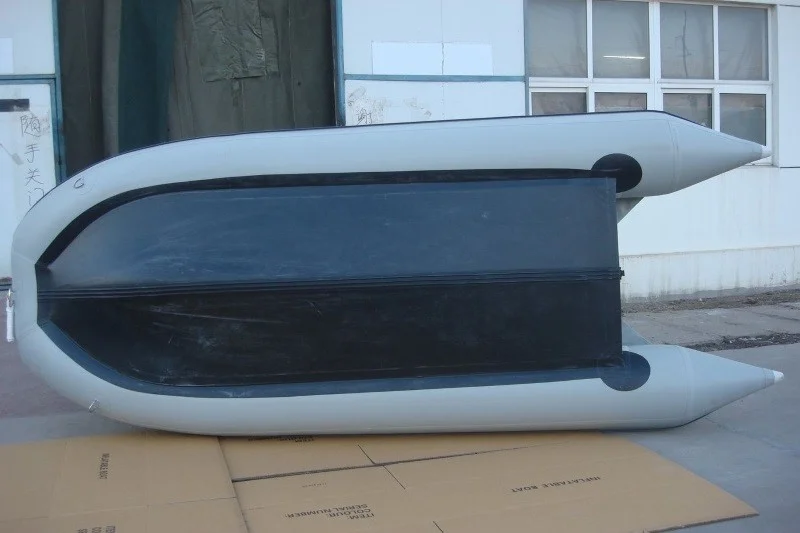
Editorial illustration SNASTI.NET.
Season’s end is a chance to remove moisture, find damage, and prepare the boat for storage. Recommendations depend on hull material and engine type, so the manufacturer’s manual remains the primary guide.
What to look out for
Hull inspection
Clean and dry the boat using an approved method. Inspect seams, valves and mounting points, if your design has them. Show any unusual deformations or damage to a service specialist before the next use.
Engine and power system
Service the motor, fuel system and battery according to the documentation for the specific model. Do not replace storage-preparation procedures with random tips meant for a different engine type. Keep a record of the work performed.
Separate gear
Life jackets, ropes and bags should be dried separately and stored without excessive compression. Check the expiry dates of items that have them. Mark any faulty items so they are not placed back into the working set.
First check the water conditions
Proximity to shore alone does not make the outing easy: wind, current and other vessels change the situation. Before starting, agree on the boundaries of the trip, the return point and actions if the weather changes. For a first outing, choose organized instruction and gear selected by an instructor. Do not automatically transfer experience from a calm inlet to an open water body.
Practical summary
Save a list of required repairs together with the boat’s paperwork. This way preparation for the new season will start with clear tasks rather than unexpected finds on the shore.
Next step: open the catalog of locations and rentals and the location map, to link the recommendations with a specific outing. Check current access to the chosen area before you go.