What changes fuel consumption
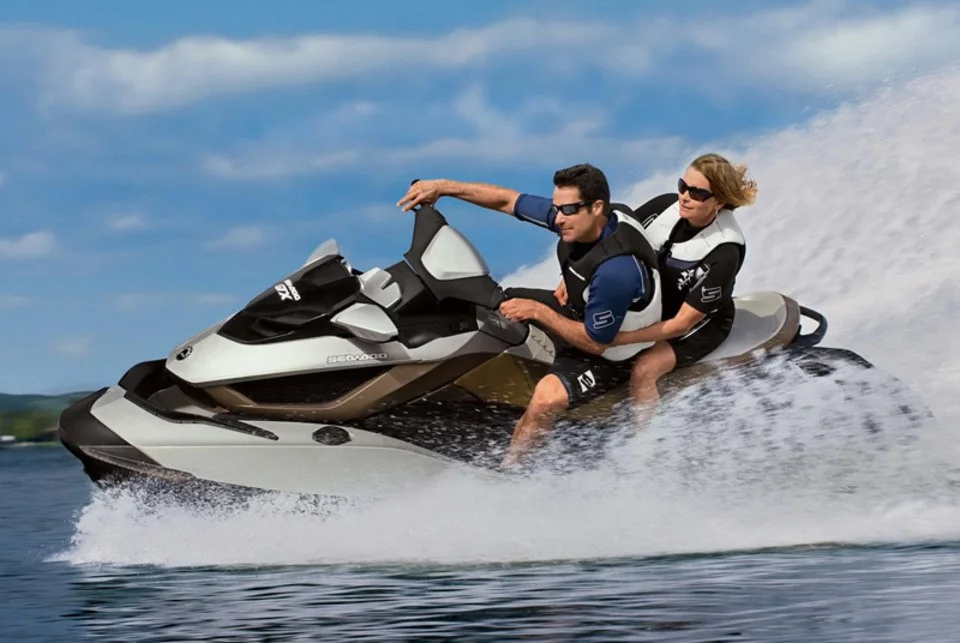
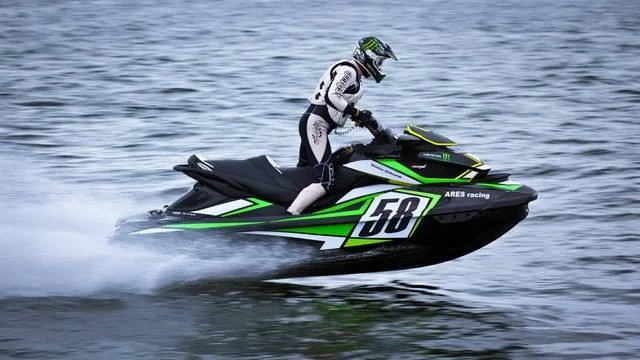
Model, engine, load, speed, water conditions and maintenance all affect consumption. The archive compared Sea-Doo generations and quoted individual figures rather than a norm for every craft. Use your machine’s documentation and observations in comparable conditions.
Fuel and oil are different
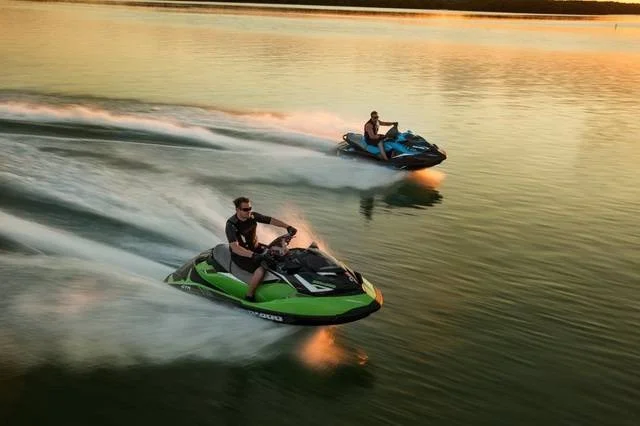
Allow for usable tank capacity and a return reserve rather than planning to the last drop. Select and service oil according to engine requirements: a universal litre-per-day claim is incorrect. Do not transfer old tuning advice to a sound production machine.
Cooling does not remove maintenance
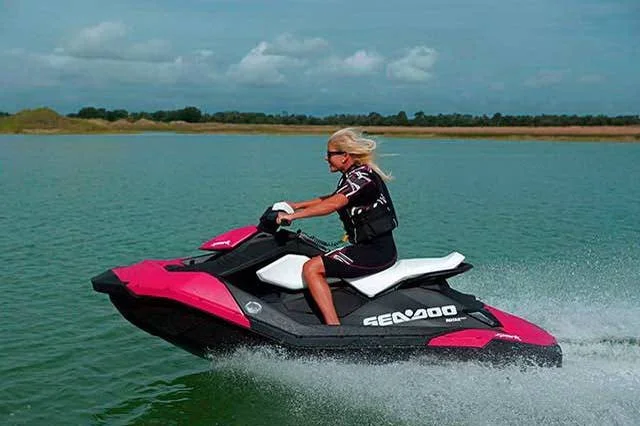
A closed engine circuit does not mean the entire craft is protected against overheating, salt water or frost. Other components may need flushing and winterisation. Use the particular edition’s instructions for starting, connecting water and servicing rather than a general brand description.

Control and limitations
Braking, reversing and manoeuvring aids differ. A learning key does not replace instruction. Check the standard emergency stop and its procedure. The manufacturer determines seating; a leisure format does not automatically make a machine safe for a child.

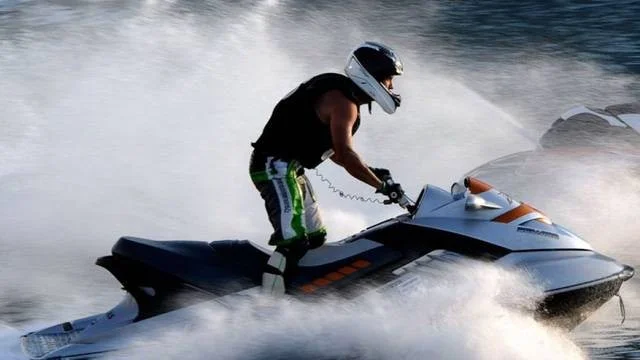
Total budget and transport
Allow for specialist inspection, a trailer or other approved transport arrangement, storage, servicing and suitable flotation for everyone. Spark plugs are not protection against water entering the engine. Check documents and rules for the chosen water before leaving.

Pre-season checks
Inspect hull, controls and instrument warnings. Stop using faulty equipment and seek service. Registration deadlines, operating qualifications and transport requirements cannot come from an old foreign checklist. Assess actual consumption alongside conditions and mechanical state rather than advertised power.