
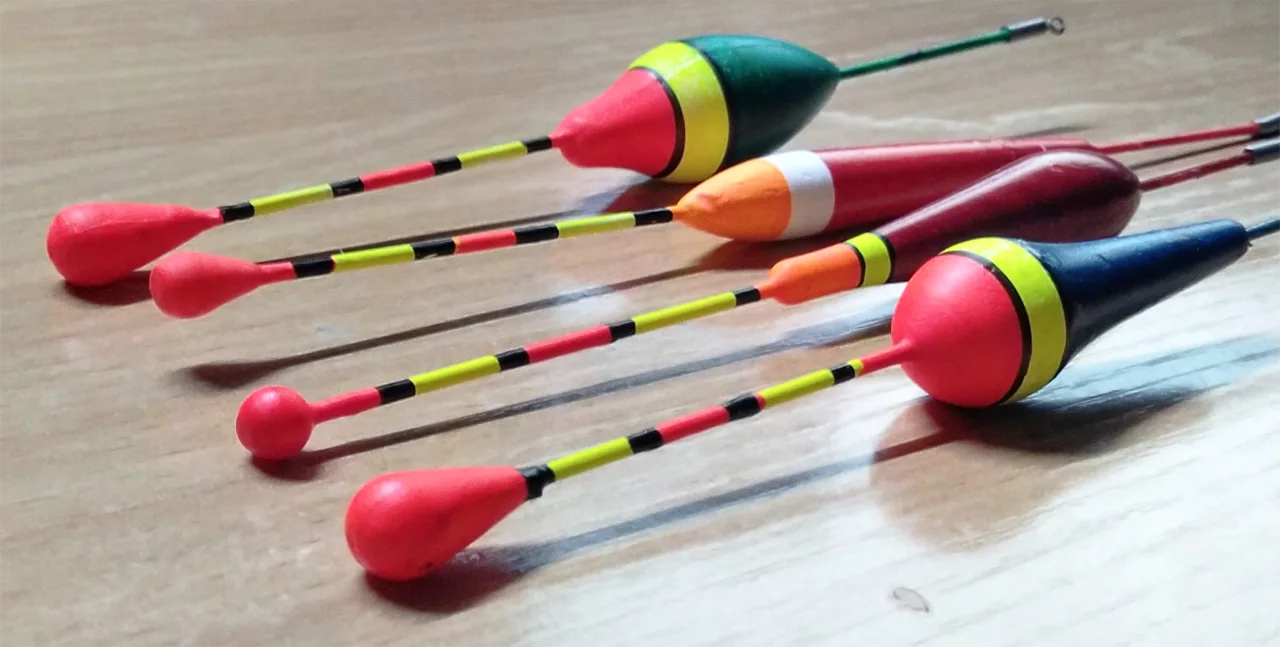
Editorial illustration SNASTI.NET.
Unusual movement of the float or tip does not always indicate a bite. Learning starts with observing the normal behavior of the tackle in the current and wave conditions at your spot.
What to pay attention to
Background movement
After casting, let the tackle take its working position. Observe how the indicator reacts to wind and waves. Afterwards look for changes in this rhythm, not any random fluctuation.
Contact with the tackle
Too much slack makes observation difficult, while excessive tension can shift the tackle. Adjust the rod position gradually. In spinning, separately remember the feeling of touching vegetation and the bottom.
Calm movement
Do not yank the rod hard with every signal. The character of the hookset depends on the rig and hook, so practice it with an experienced angler using your setup. Check the condition of the leader after snags.
Work with the conditions you observe
Observations should be recorded together with time, location and presentation method. Change one parameter at a time, otherwise it’s unclear what produced the result. A short note after a trip is more useful than a hasty conclusion about the whole water body: water level, lighting and fish activity change even within a single day.
Practical summary
A useful habit is to check the bait and tackle after an unclear signal. Your own observations over several short fishing sessions will provide more than trying to guess a single correct movement.
Next step: open angler’s calendar and map of spots, to link the recommendations with a specific outing. Check current access to the chosen area before you go.