

1. How the journey went
Record actual travel time, the starting point and difficulties on the final approach. Did you have to find an entrance, walk from parking or wait for transport? This helps calculate the next day without relying on someone else’s averages.
Do not record an outdated closure as a permanent fact. Mark the date and what needs checking again. In a public listing, distinguish the official address from your personal approach route.
2. What conditions were like
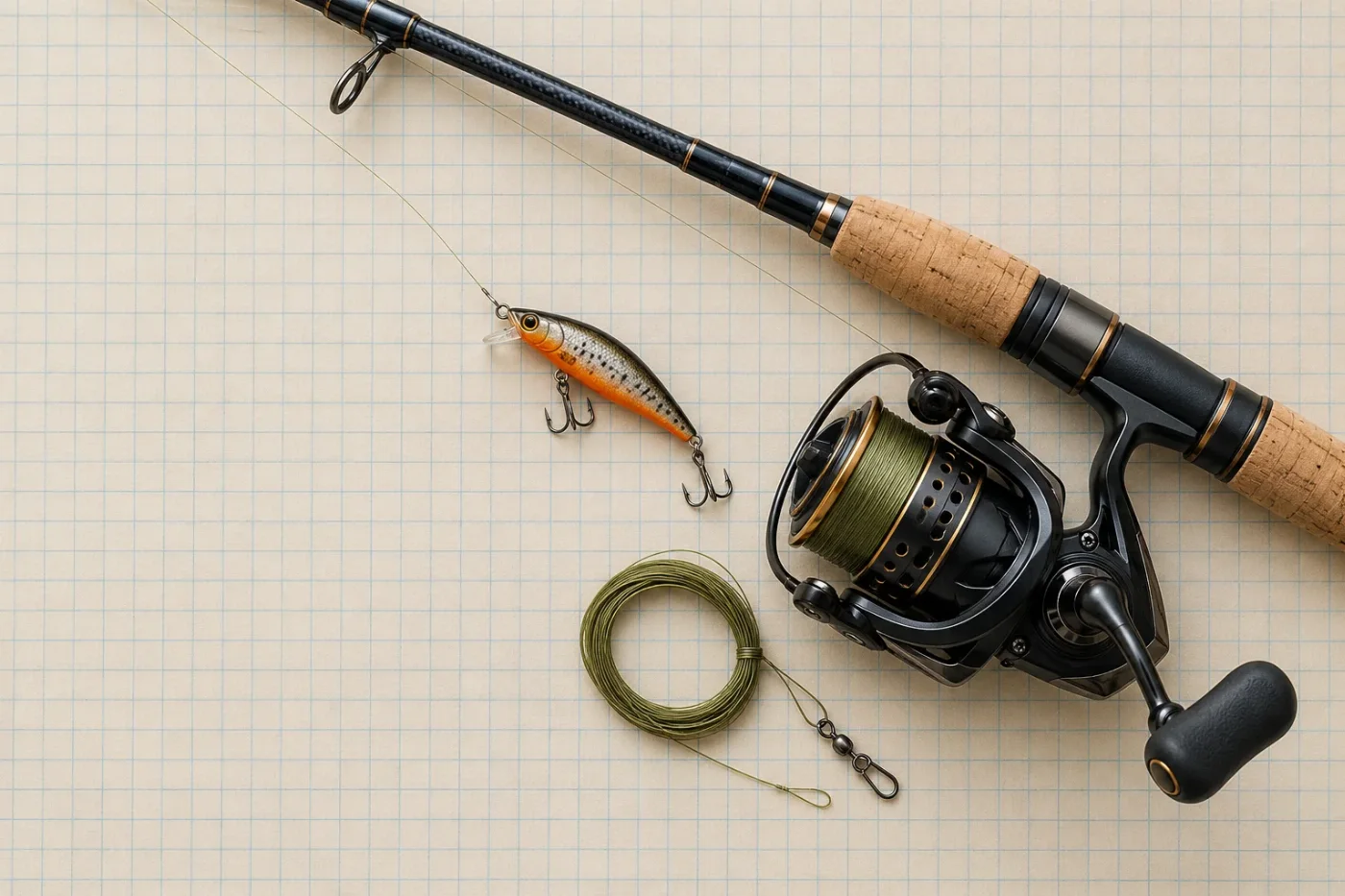
For fishing, useful details include the stretch, visible current, tackle and presentation. For walking, record path surfaces, exposed wind and break lengths. Note observations without turning one visit into a universal bite or weather forecast.
3. What was inconvenient
The problem is often not the main piece of equipment. Fogged glasses, an inaccessible bottle, a heavy box or a deeply buried torch can disrupt the pace. Briefly record what you want to rearrange or change while the situation is still clear.
Start with free changes: packing, task order and pre-departure checks. Buying something new should answer a specific need rather than merely an uncomfortable day.
4. What needs drying or repair
Separate wet items and mark damaged components immediately after returning. Do not mix faulty consumables with a ready-to-use kit. Record the symptom and follow instructions or consult a service centre for complex equipment.
5. What to share
If a listing has an incorrect address or contact, send the editors a specific correction with a source. Base reviews on your own experience without invented ratings or other people’s private information. One accurate account helps more than an emotional claim that everything is always wonderful.
A personal diary need not be long: a few clear lines are enough if you actually reread them before the next outing.