
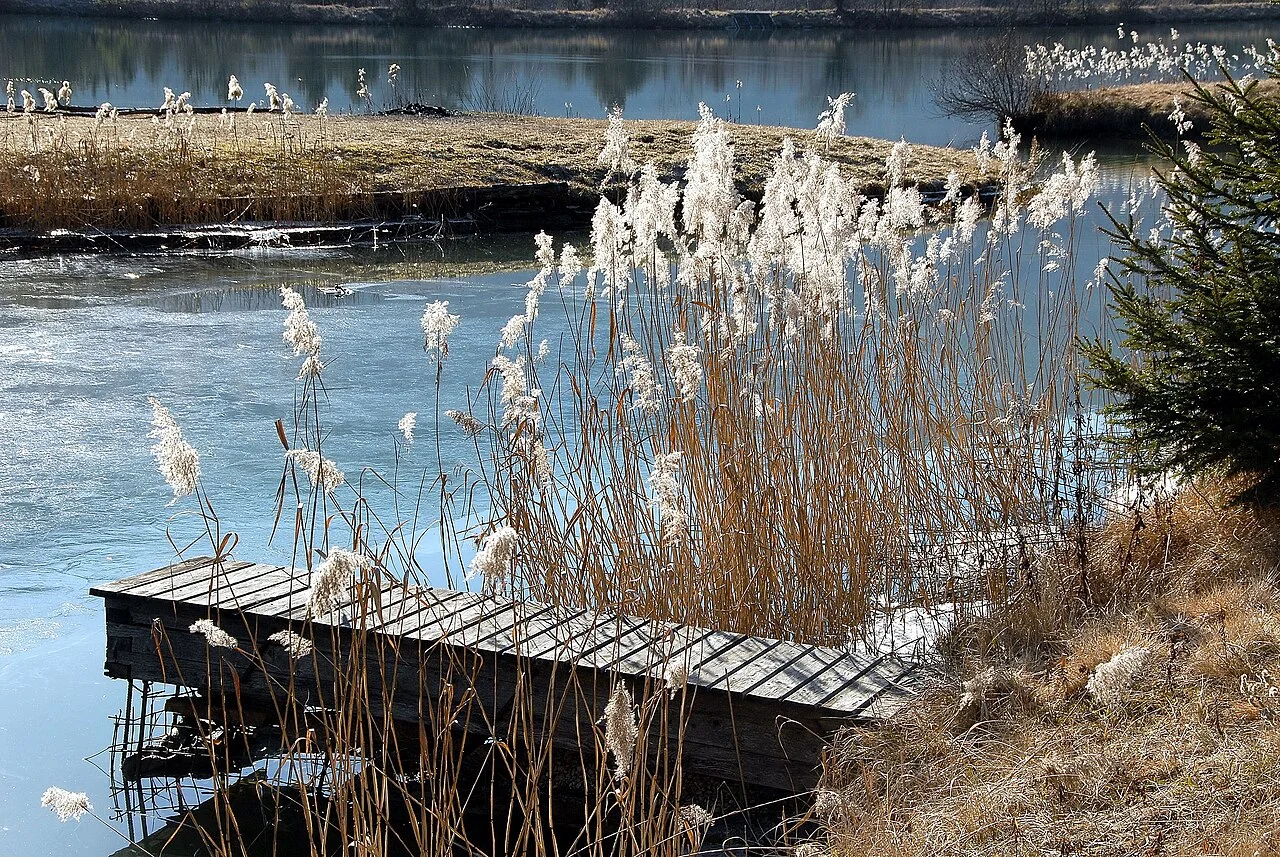
Editorial illustration SNASTI.NET.
A winter trip does not necessarily involve going onto the ice. Accessible open water allows you to practice a familiar fishing method, but it requires careful attention to the cold, slippery surfaces, and the time needed to return.
What to pay attention to
Shore and access
Choose a proven, accessible spot with a stable surface. Assess whether the return route could become more difficult after a weather change. Do not go onto the ice based only on a calendar, photos, or a general forecast.
Warm working kit
Prepare dry spare items and rain protection. Gloves should allow you to handle the tackle, not stay in your pocket all the time. Match the length of the trip to participants’ comfort and the availability of a warm shelter.
Fewer unnecessary actions
Prepare your rigs and lay out tools in advance. On cold days small tasks become slower, and wet hands quickly lose comfort. Finish the fishing session with enough light left for packing and the journey home.
Work with the conditions you see
Record observations together with time, location, and presentation method. Change one variable at a time; otherwise it’s unclear what produced the result. A short note after the trip is more useful than a rushed conclusion about the entire body of water: water level, lighting and fish activity can shift even within a single day.
Practical summary
Shortening the trip because conditions worsen is a normal decision. Seasonal tips help with planning but do not guarantee the safety of the shore or the ice.
Next step: open the angler’s calendar and the map of spots, to link the recommendations with a specific outing. Check current access to the chosen area before you go.