
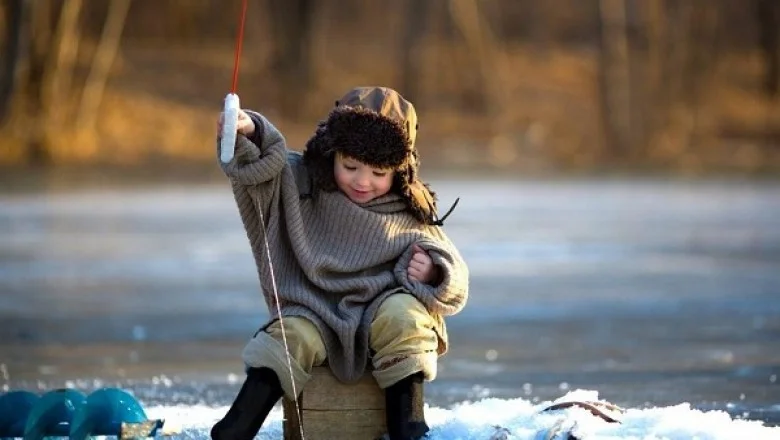
From reel-less to balalaika designs
When fishing through an ice hole, lure control and close-range handling generally matter more than casting distance. However, rods have different purposes: a light mormyshka jig and a heavier lure need an appropriate tip, line and bite-indication system. A design name does not replace checking the complete setup.
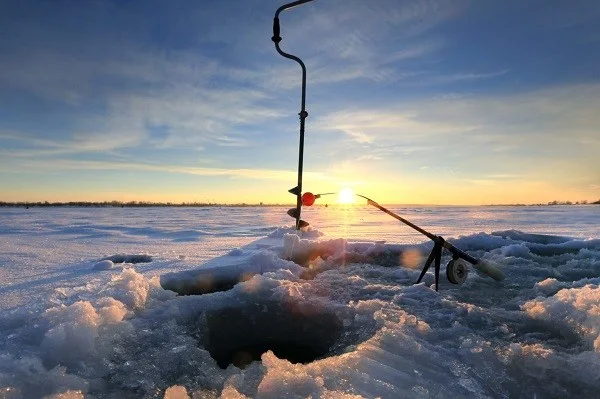
Three common construction types
- A kobylka is a reel-less rod with a line winder that may form part of the handle. Check winding convenience, line attachment and handling with gloves. Simplicity alone does not establish manufacturing quality.
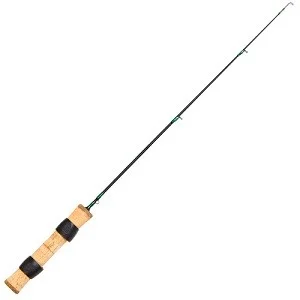
- A rod with a separate handle and reel stores spare line on a spool. Inspect reel operation, tip attachment and any line guides. The archive photographs include a Salmo Elite Perch example; it illustrates a design, not current shop availability.
- A balalaika rod incorporates the reel into the handle. Assess grip, smooth operation and control of the lure. Archive examples include Tri Kita,
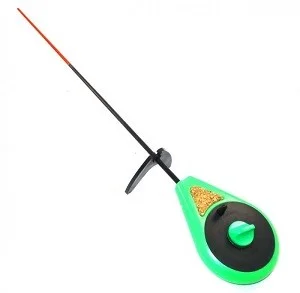
as well as Lucky John MORMAX.
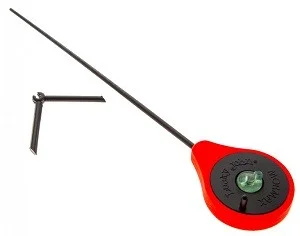
Price and the number of spare rods depend on the task, not a universal rule. Using several tackle setups at once must comply with local restrictions; not everyone needs to buy equipment for four or five holes. A small size does not remove the need to check strength, connections and proper operation.
Matching lure and rig
Start with the chosen fishing method, depth and site conditions. Match line, hook or mormyshka jig, bite indicator and rod. Prepare a working replacement at home rather than assembling an unfamiliar rig for the first time in freezing weather.
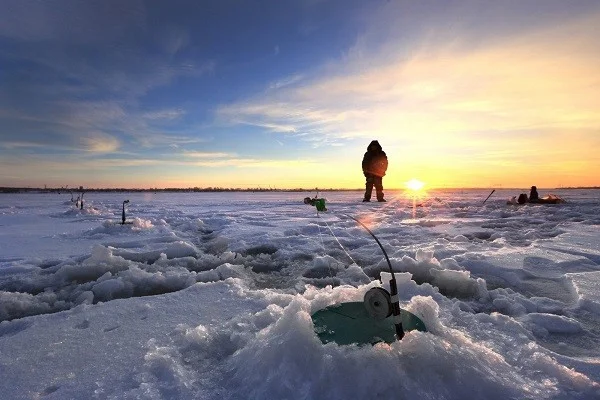
Choose hookbaits, lures and groundbait according to observations and waterbody rules. No single ingredient guarantees fish gathering at a hole. Compare one variable at a time and check access separately: the rod type says nothing about ice safety.