Size does not decide everything
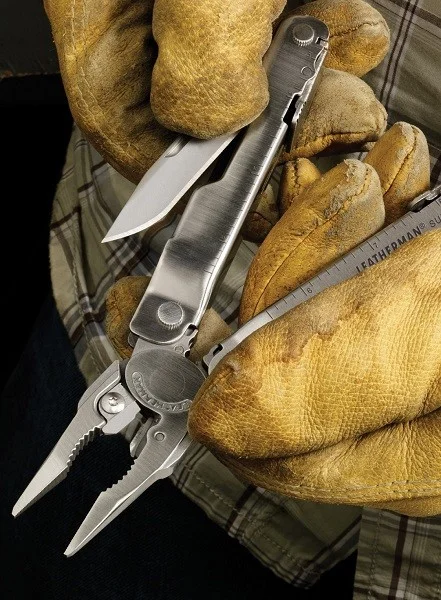
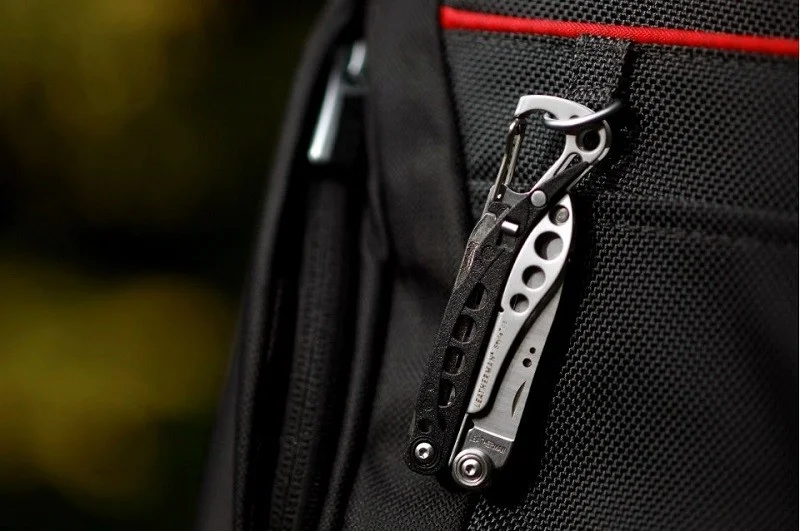
Start with minor tasks that actually arise on outings. A keychain tool is convenient to carry continuously, a pocket version offers a firmer grip and a larger one may need a sheath. Progressing from small to large is not compulsory: the best format is comfortable to use.
Mechanisms and access
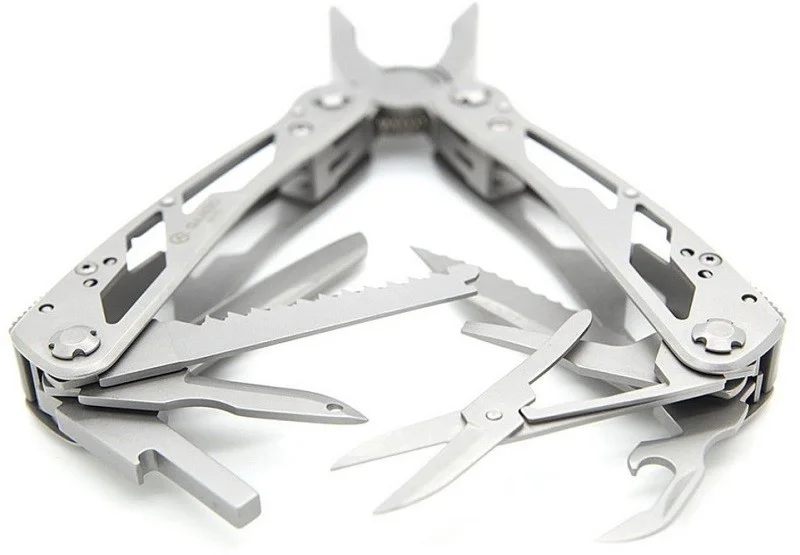
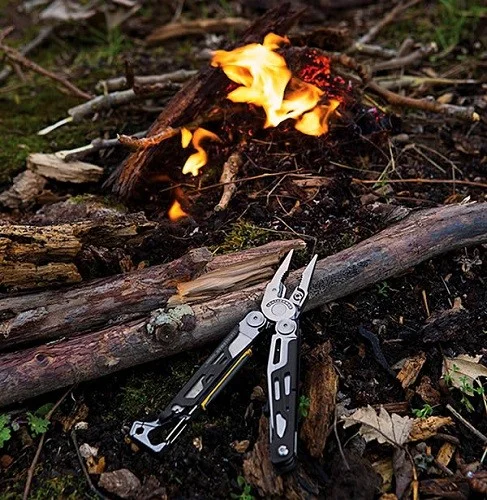
Open the required tools and check retention as instructed. Not every multitool has a corkscrew, scissors or identical bits. Weight and handle shape matter more than a vague promise to solve any breakdown.
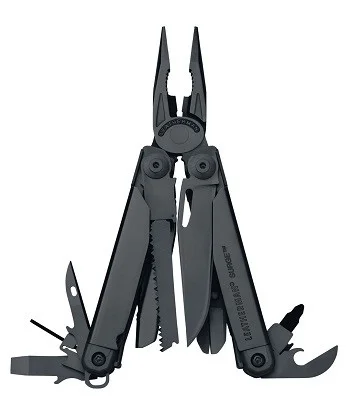
Cutting parts
Plain and serrated blades suit different materials and need care. Cut on a stable support in a safe direction. Do not chop with a blade, use it as a screwdriver or test strength with hazardous loads.
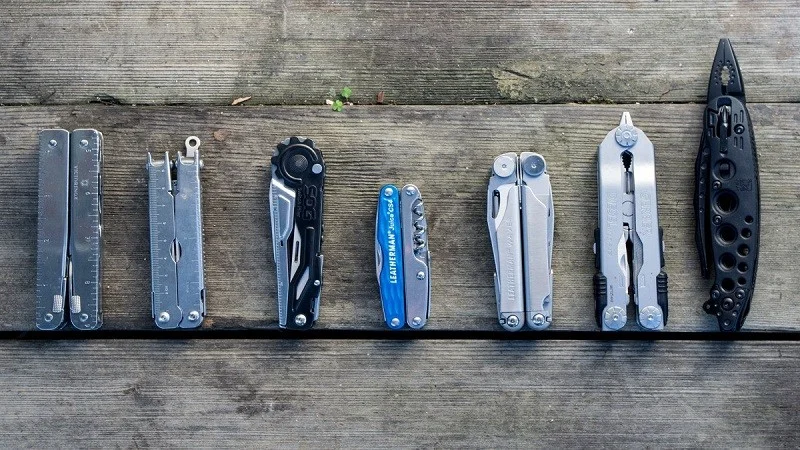
Pliers and fasteners
Match the bit to the screw rather than damaging the head with the wrong size. Cutters have material and diameter limits. An ordinary tool is not insulated for live electrical work or intended to handle toxic or red-hot parts.
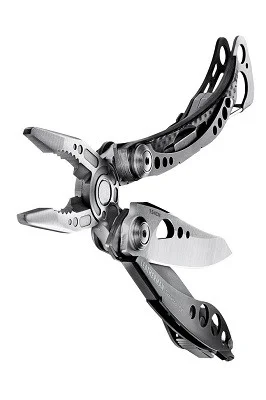
Other functions
Files, awls, scissors and tweezers are useful within their intended purpose. A hook does not automatically become a safe lifter for a hot pot. Do not treat a glass breaker as a universal hammer; specialist functions require understanding their limits.
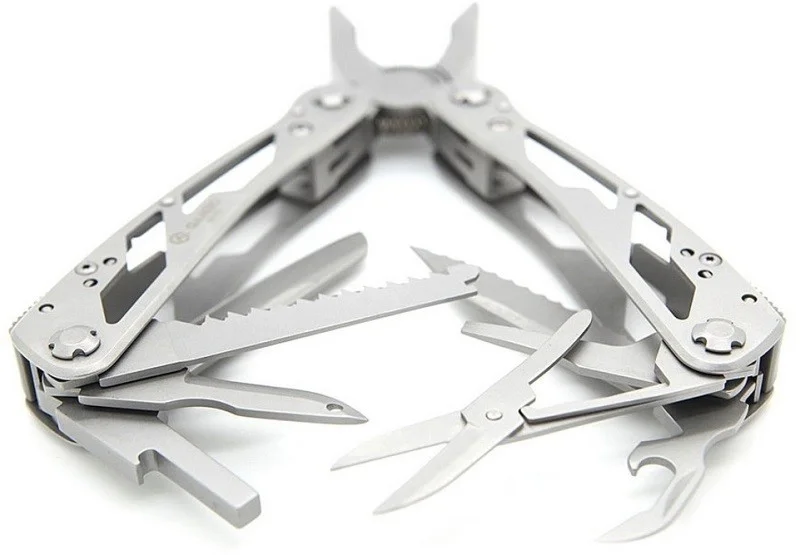
A small kit without illusions
A magnifier and tiny light may supplement the kit but do not replace an ignition plan or main light. Check transport, servicing and storage and protect cutting parts. One suitable multitool is more useful than functions the owner cannot use.