Choose a site and rules
Match the game to participants’ ages and energy. Set boundaries away from water, roads, fire and slopes and allocate child supervision. Participation is voluntary: a break should not become an endurance contest.
“I am taking on a trip”
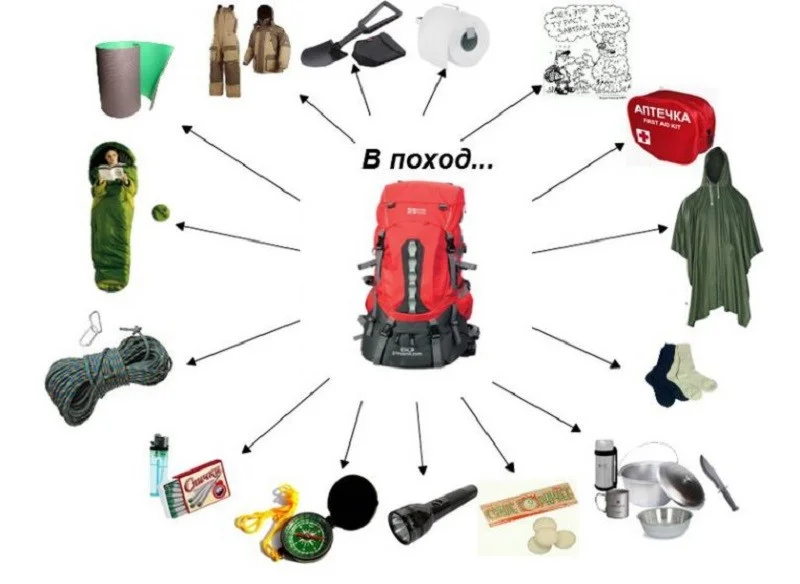
The leader chooses a rule for items, such as matching the first letter of the object and the participant’s name. Players suggest items and try to discover the pattern. For younger children, explain the rule immediately and make it a memory game.
Secret friend
Participants draw names and quietly help their chosen person with ordinary camp tasks. Help should not involve carrying excessive loads or interfering with private belongings. At the end, share positive observations without compulsory public reporting.
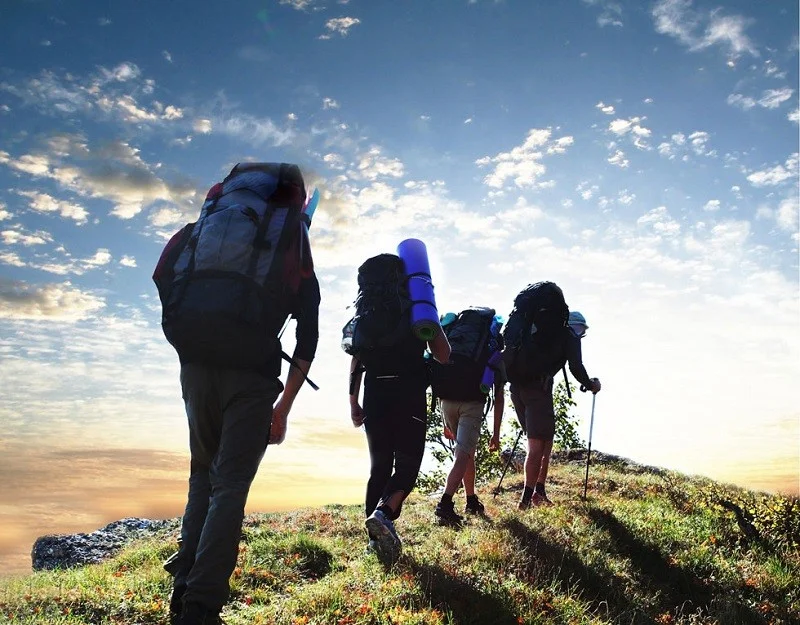
Treasure hunt
Prepare a map of a small checked area. Children go with accompanying adults, and all hidden objects are collected afterwards. Do not hide clues at height, in water or among unknown plants. A map game does not replace real navigation training.
Mime and riddles
Act out words, build a story in turns or identify nature sounds. These work during breaks without active running. Keep a safe distance if near a fire; no fire is necessary for the game at all.
Learning tasks instead of risk
Practise packing a bag or pitching a tent in controlled conditions. Do not remove water, shelter or communications for the sake of a story. Homemade rafts, snares, eating wild plants and hazardous overnight challenges are not suitable extensions of an ordinary family game.