
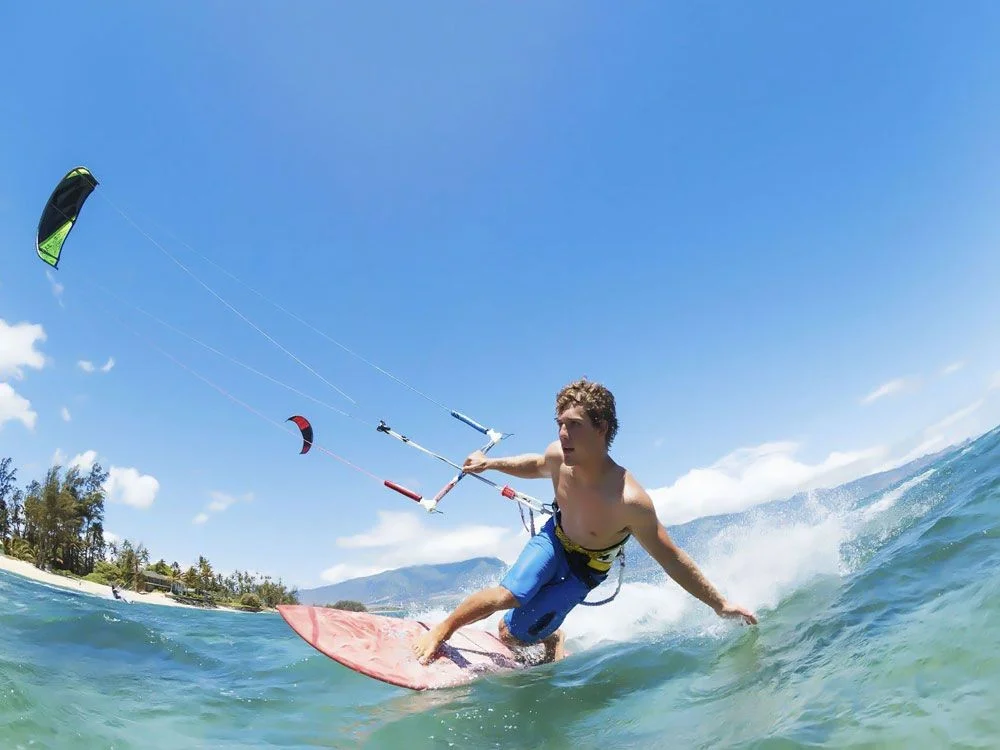
Buy after getting to know the sport
Start with a school and sound training equipment. This helps you understand local conditions and obtain model-specific advice. A new kite does not automatically suit a beginner, and a used one is not unsuitable solely because of age: purpose and condition matter.
Construction and control
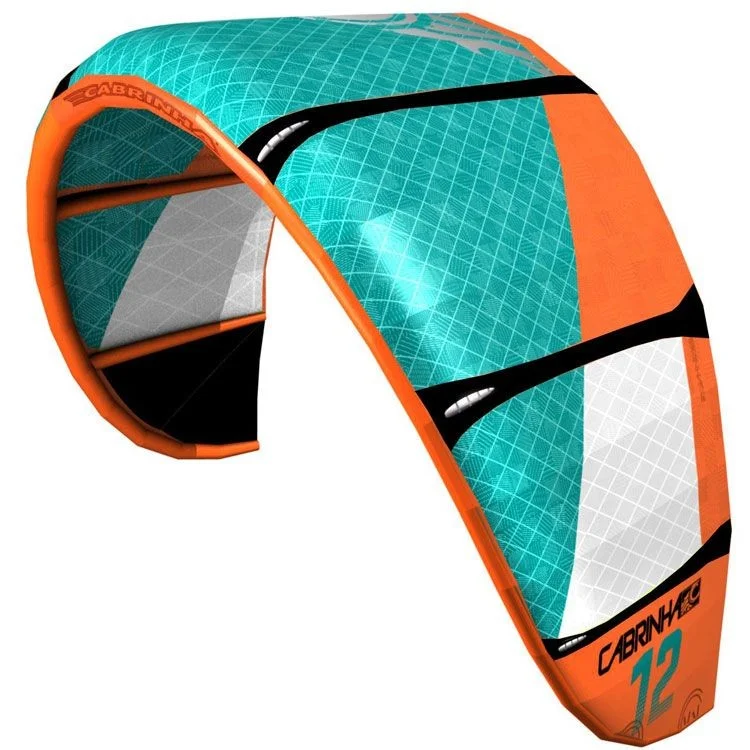
Check the intended use of inflatable and foil wings. Water foil kites exist; treating all foils as land-only is wrong. C-type, bow, delta and hybrid do not replace information on power, relaunch and emergency release. Check bar and line compatibility rather than assembling by visual similarity.
Size from documentation and conditions
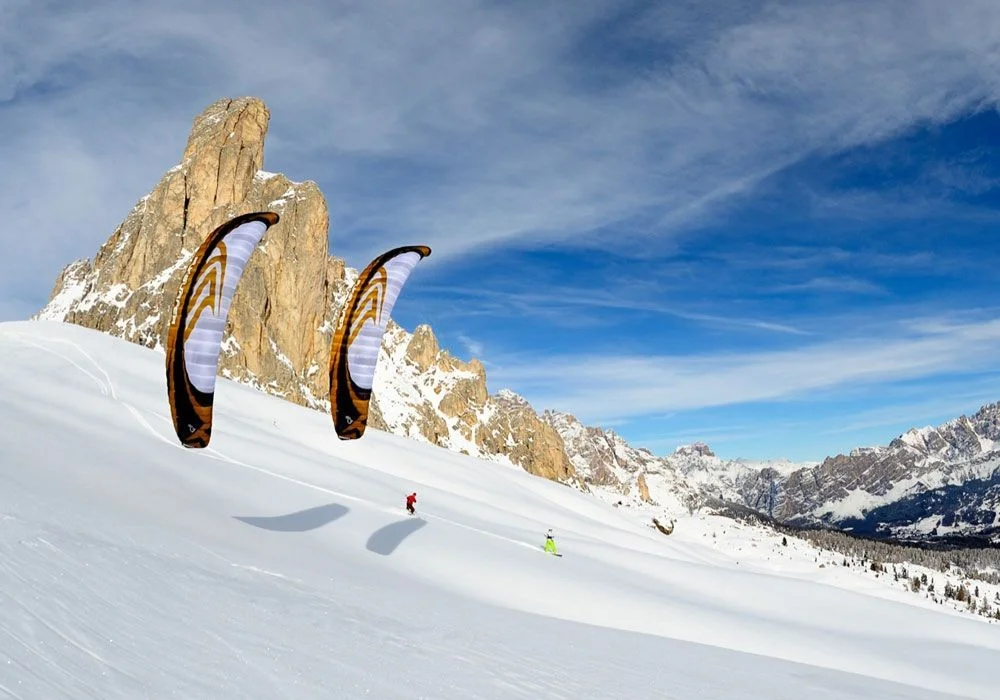
The old table did not account for gusts, air density, board, skill and model differences. Do not use it as permission to ride in strong wind. Compare manufacturer guidance with an instructor’s assessment and actual weather. Wind remaining steady for three daytime hours does not itself establish safety.
Inspection and budget
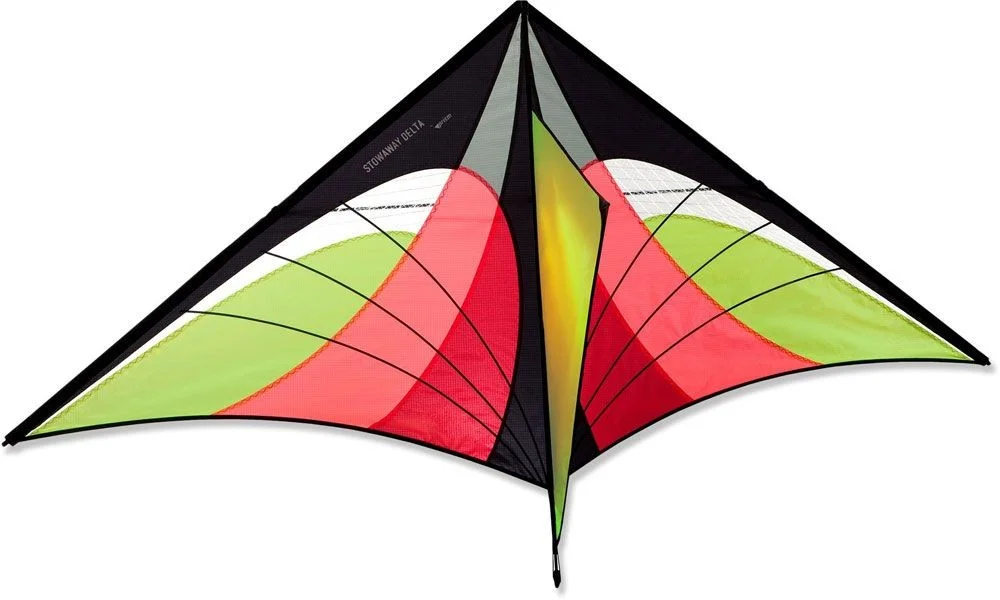
When buying used, have a competent specialist inspect fabric, seams, tubes or cells, lines, bar and release mechanism. One season of use cannot guarantee sound condition. Include repairs, instruction and other equipment in the budget. Practise instructed procedures at a safe training site before riding; unsuitable conditions call for postponement rather than simply finding the smallest canopy.