Start with the menu and route
Before choosing a stove, establish group size, cookware capacity and what you intend to cook. Boiling water for freeze-dried meals and simmering porridge in a large pot are different tasks. Weather, trip duration and access to suitable fuel after arrival matter too.
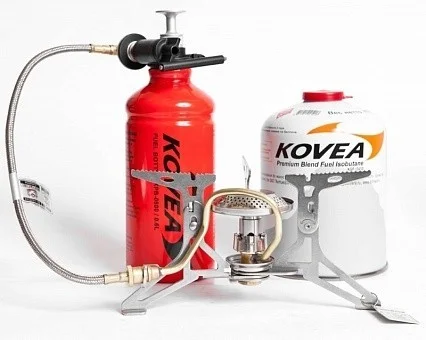
A gas model uses the canisters and fuel specified by its manufacturer. A liquid-fuel stove uses approved liquids; a multifuel model supports several options, sometimes requiring component changes. “Multifuel” does not mean you can fill it with anything.
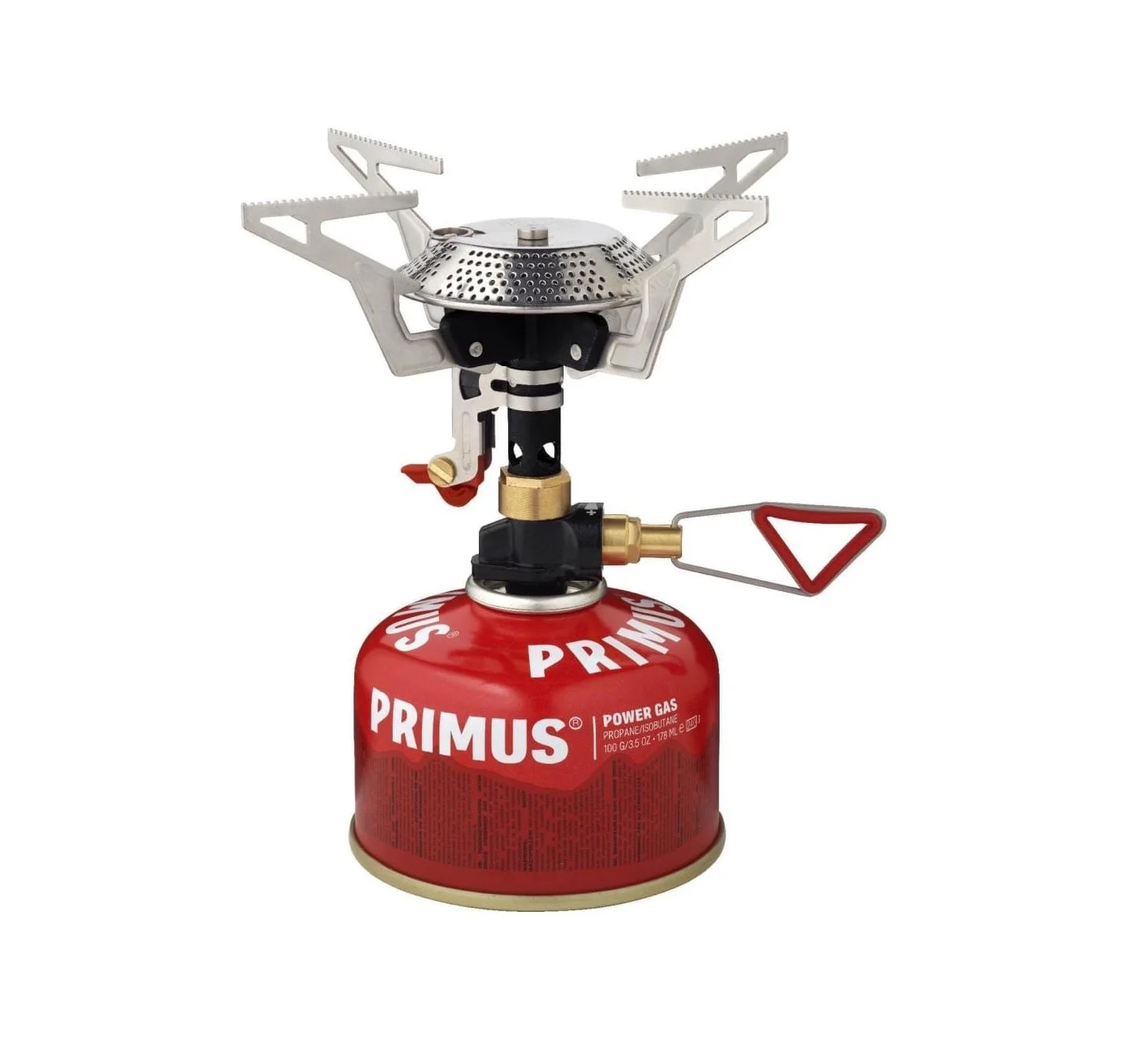
Canister-top designs
A stove mounted directly on its canister is usually compact and convenient for a small cookware setup. Its capabilities depend on the particular supports, pot diameter and instructions, rather than a rule allowing nothing except tea. Some models provide heat control for ordinary cooking.
Check the stability of the complete system on a level surface. A tall, narrow setup with a large pot can tip easily. Do not exceed permitted cookware dimensions or put one pot across two independent stoves.
Remote canisters and compatibility
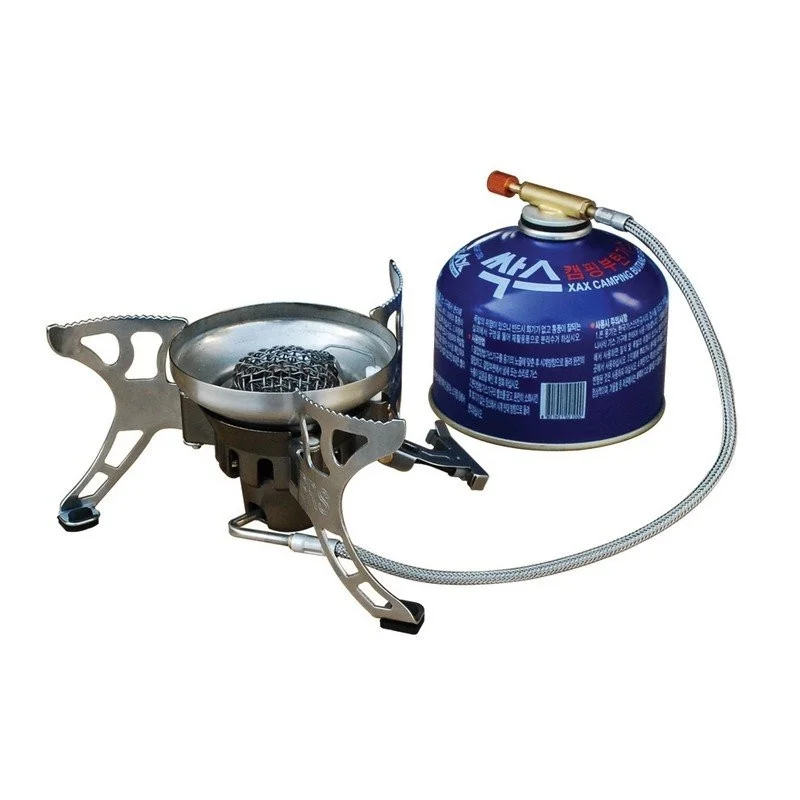
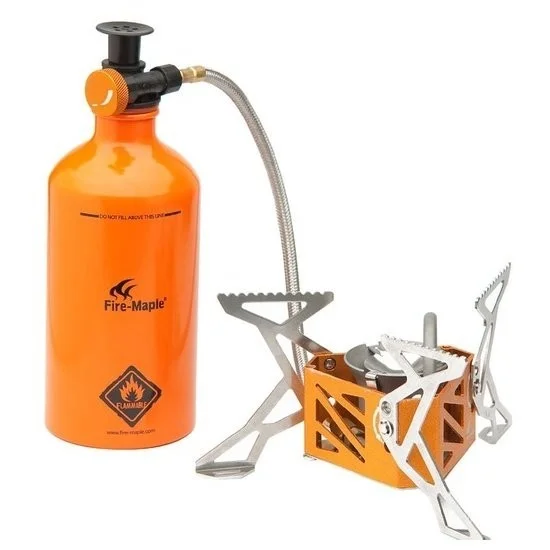
On a hose-fed model, the burner stands separately from the canister. Low supports may suit wider cookware, but stability and permitted load still need checking. Inspect the hose and connections and protect them from damage.
Threaded, bayonet and other connections are not freely interchangeable. Use only compatible components as directed. A hose alone does not permit inverting the canister: liquid-feed operation is allowed only on systems designed for it and using the prescribed procedure.
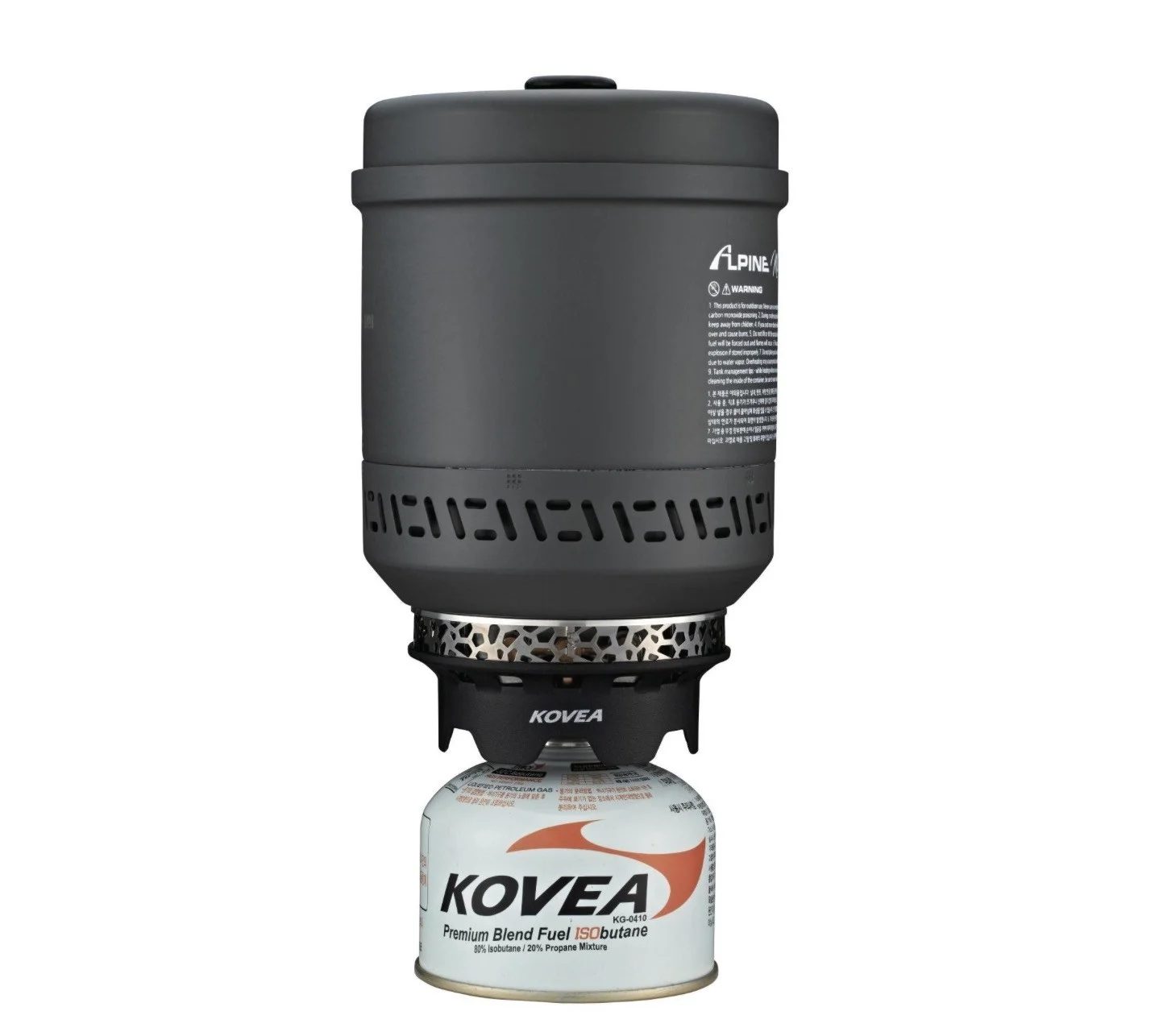
Integrated systems
In an integrated system, burner and cookware are designed to work together; a heat exchanger helps capture heat. This can be convenient for boiling water and compact packing. Not every system suits frying, thick food or a different pot.
Check fill limits, accessory compatibility and repair options. Compare performance with your own menu rather than laboratory boiling time alone. The gas canister must not overheat in any arrangement.
Camping stoves
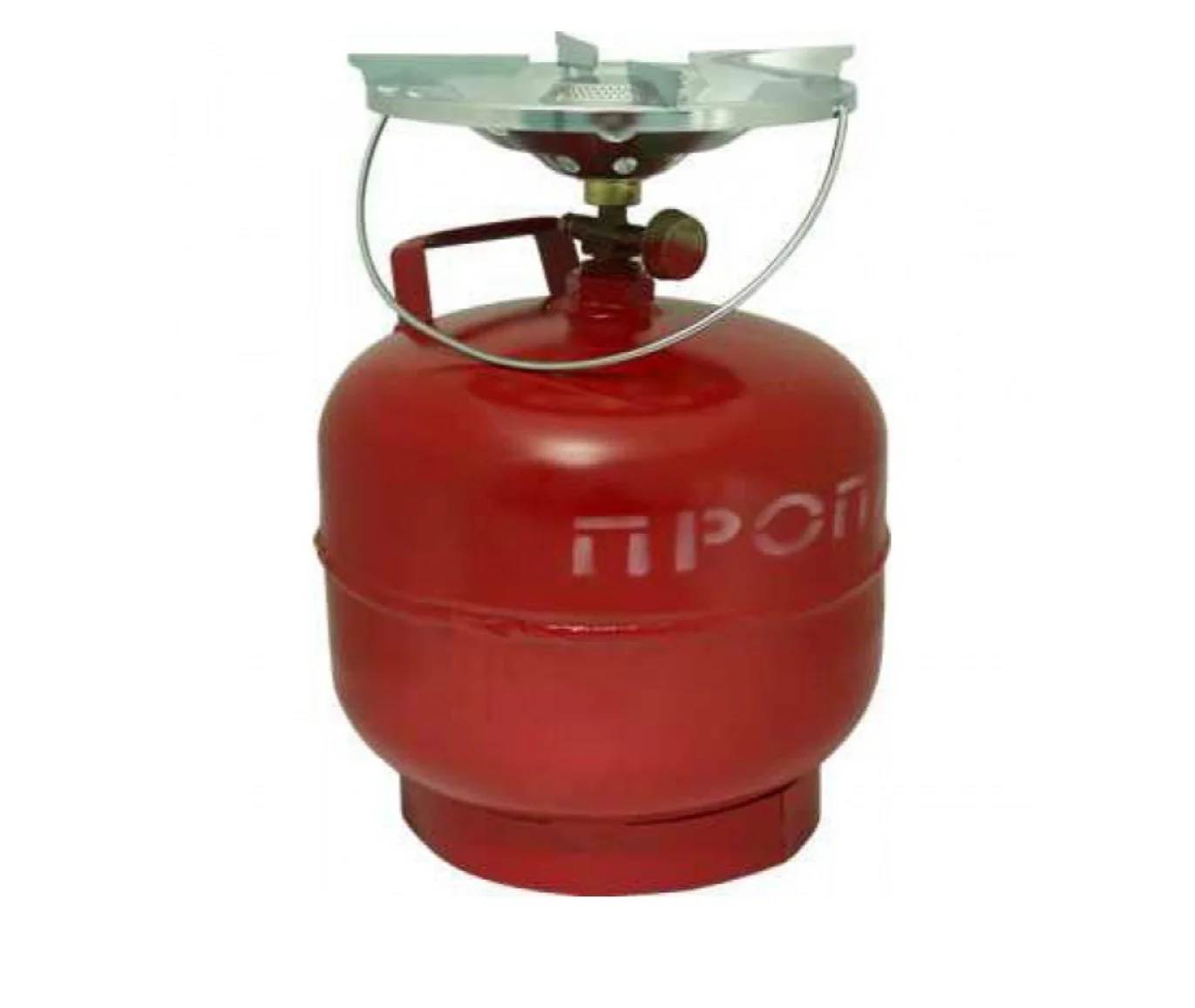
Larger systems may suit a fixed base camp or car camping. Heat adjustment, stability and cookware size can matter more here than minimum weight. A large canister is not an essential feature of every camping stove.
Check connection, fuel-placement and transport requirements in advance. Use the equipment outside tents, vestibules and vehicles. A stove is not a heater, and the absence of an obvious smell does not mean combustion gases are harmless.
Liquid fuel
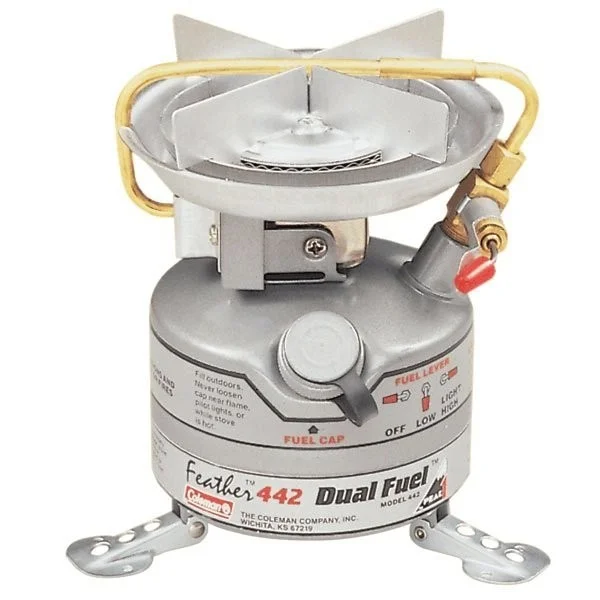
Liquid-fuel models can be useful on routes where the chosen setup is appropriate and approved fuel is available. They require preparation, lighting and maintenance skills; they are not an automatic answer to every cold-weather problem.
Use only the manufacturer-specified fuel containers, pumps and components. Learn the operating procedure beforehand under safe conditions. Keep fuel separate from food and stop using equipment if it leaks or becomes damaged.
Cold and consumption
Gas performance depends on the blend, temperature, remaining fuel and stove design. A “winter gas” label does not universally guarantee operation down to a particular freezing temperature. Never heat a canister with a flame or enclose it in a screen reflecting heat towards it.
Estimate fuel needs by cooking your menu on a trial run, then allow for wind, cold and changes of plan. On a long route, consider containers, fuel, cookware and ignition supplies as well as the stove’s own weight.
Multifuel operation and pre-trip checks
Find out whether changing fuel requires different jets, adapters or settings. Do not apply one model’s procedure to another. For flights, check the carrier’s rules for stoves and containers in advance; plan to buy gas canisters and fuel at an authorised location after arrival.
Before departure, check all parts, connections, ignition and cooking performance. Piezo ignition is convenient, but an approved backup ignition method is useful. The right choice is a system you can operate safely and obtain suitable fuel for.