Leisure, touring or waves
An all-round SUP is often chosen for learning on calm water. Touring shapes focus on travel, while surf boards call for different technique. Do not judge suitability solely by a pointed or rounded nose; try appropriate rental equipment with an instructor.
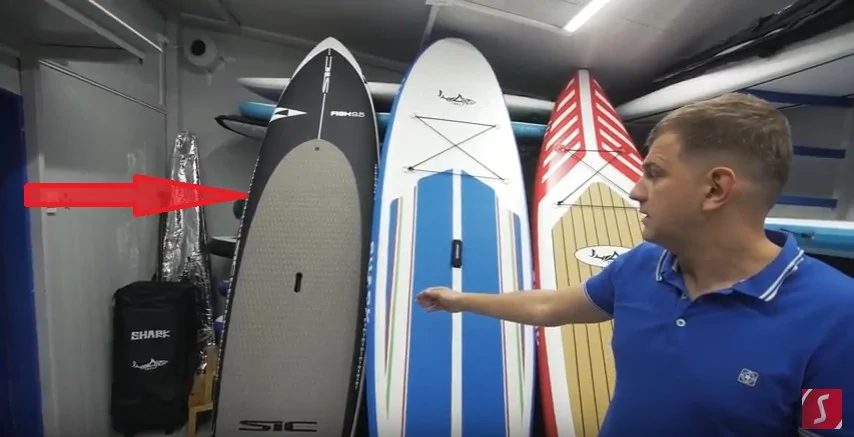
Rigid or inflatable
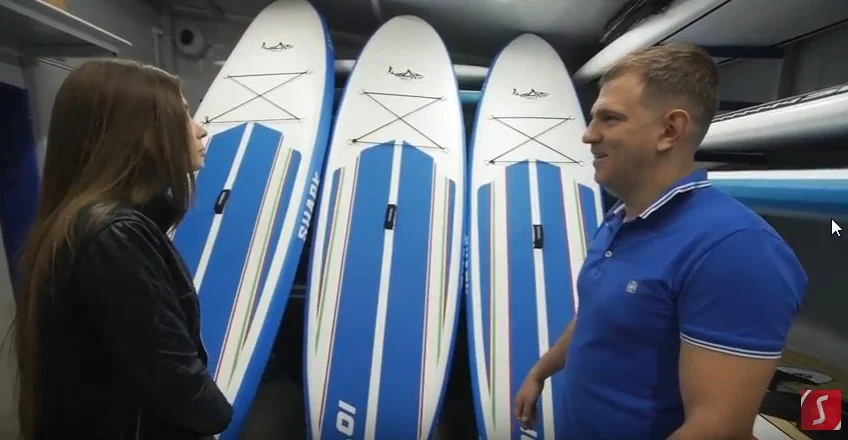
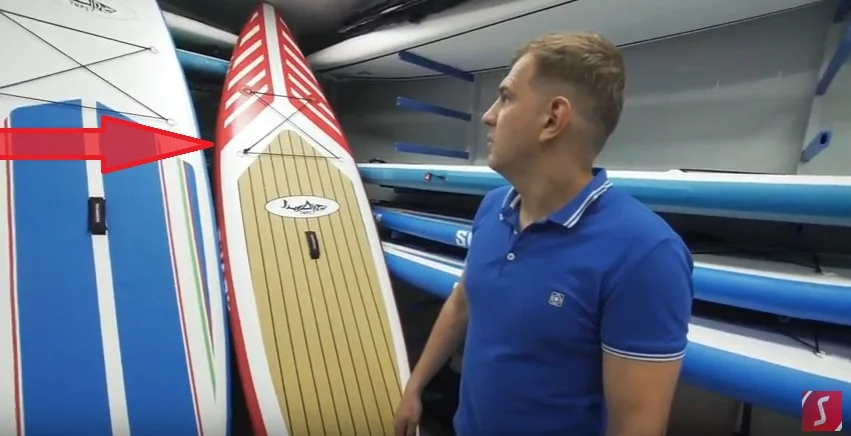
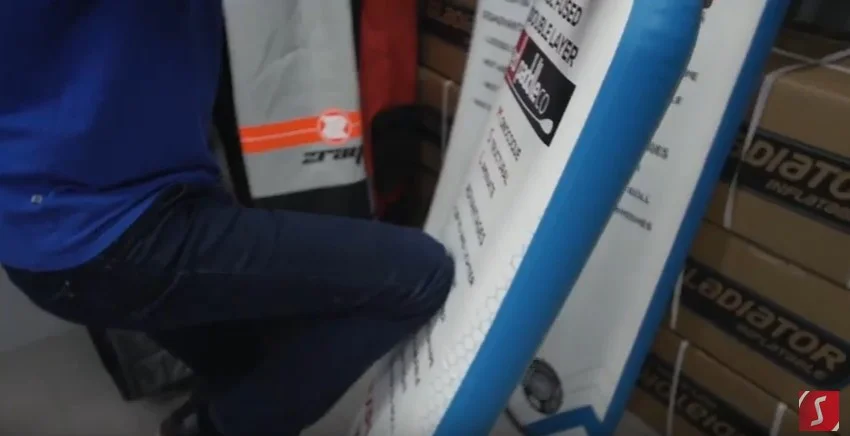
Consider storage, transport, total weight and maintenance. Rigid boards are not necessarily only for experts, and inflatables are not invulnerable. Layer count or a lamination name alone cannot establish quality. Inspect seams, valve and attachments and check warranty terms for your edition.
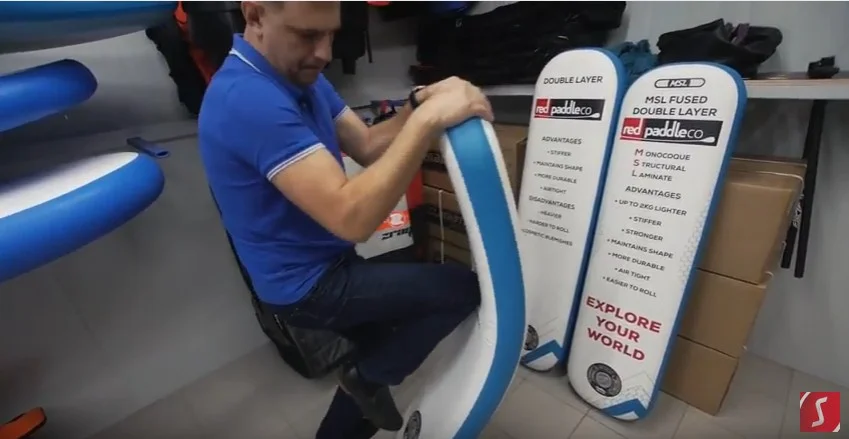
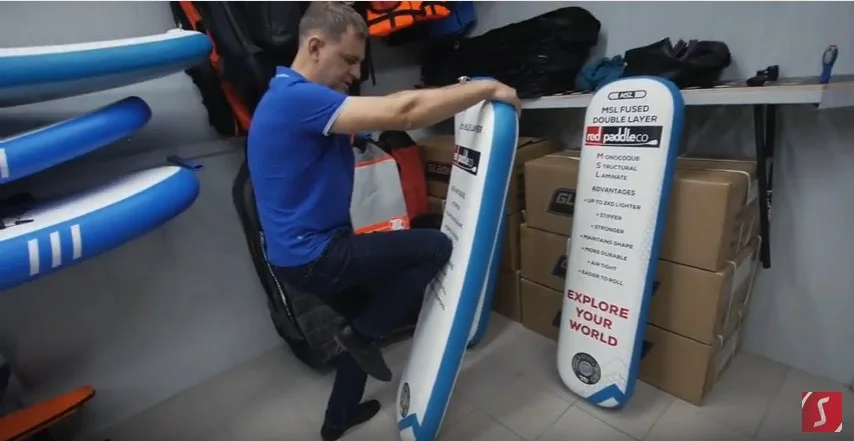
Size and usable load
Compare manufacturer recommendations with the person’s weight and all luggage. A volume of 200 litres does not mean a permitted 200 kg load. Width affects stability alongside shape, length, stiffness and skills. The old article’s width-by-weight table cannot replace specifications and a water trial. Use the specific board’s instructed pressure.
What is included
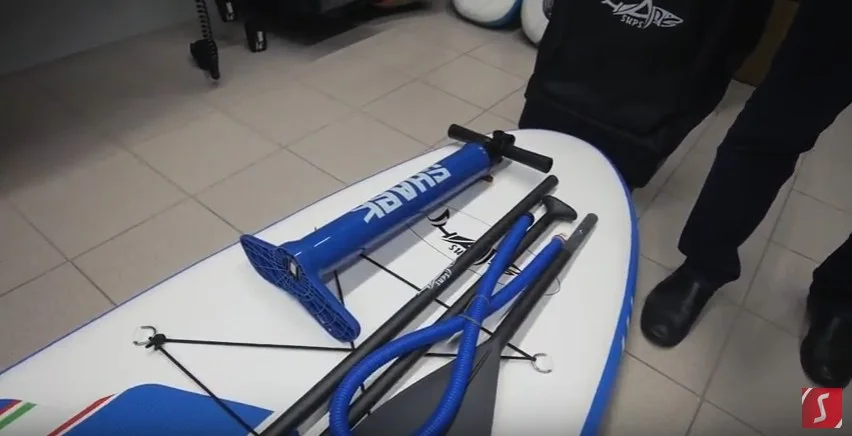
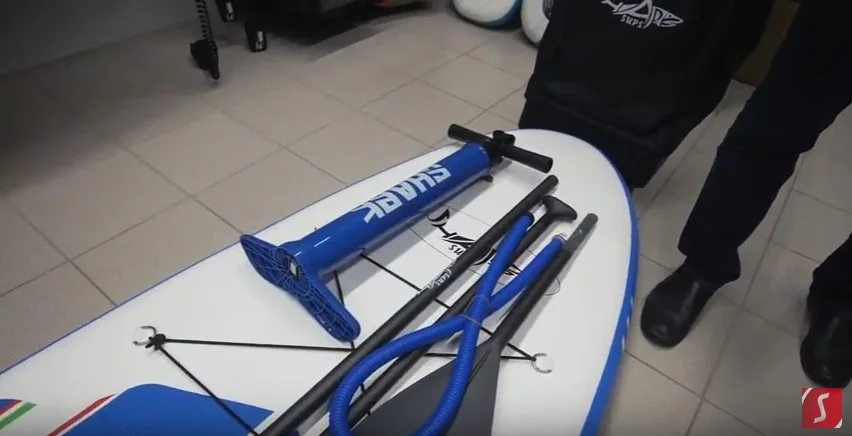
Check paddle, pump, fin, bag, repairs and safety equipment. Match the leash to the environment; leg attachments cannot automatically transfer to flowing water. A first outing needs instruction, suitable flotation, weather and a clear return plan. A complete retail box cannot guarantee every item already suits you.