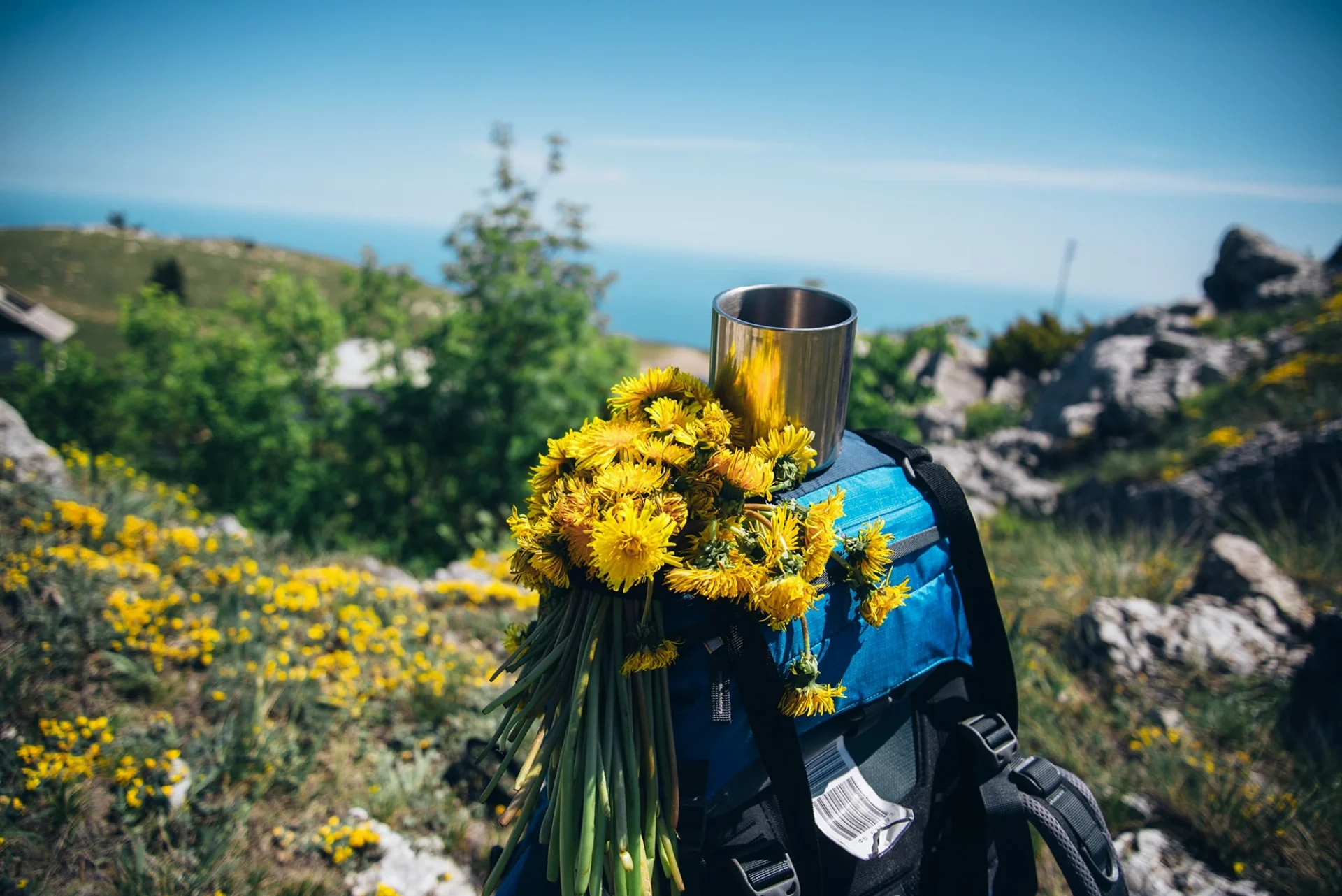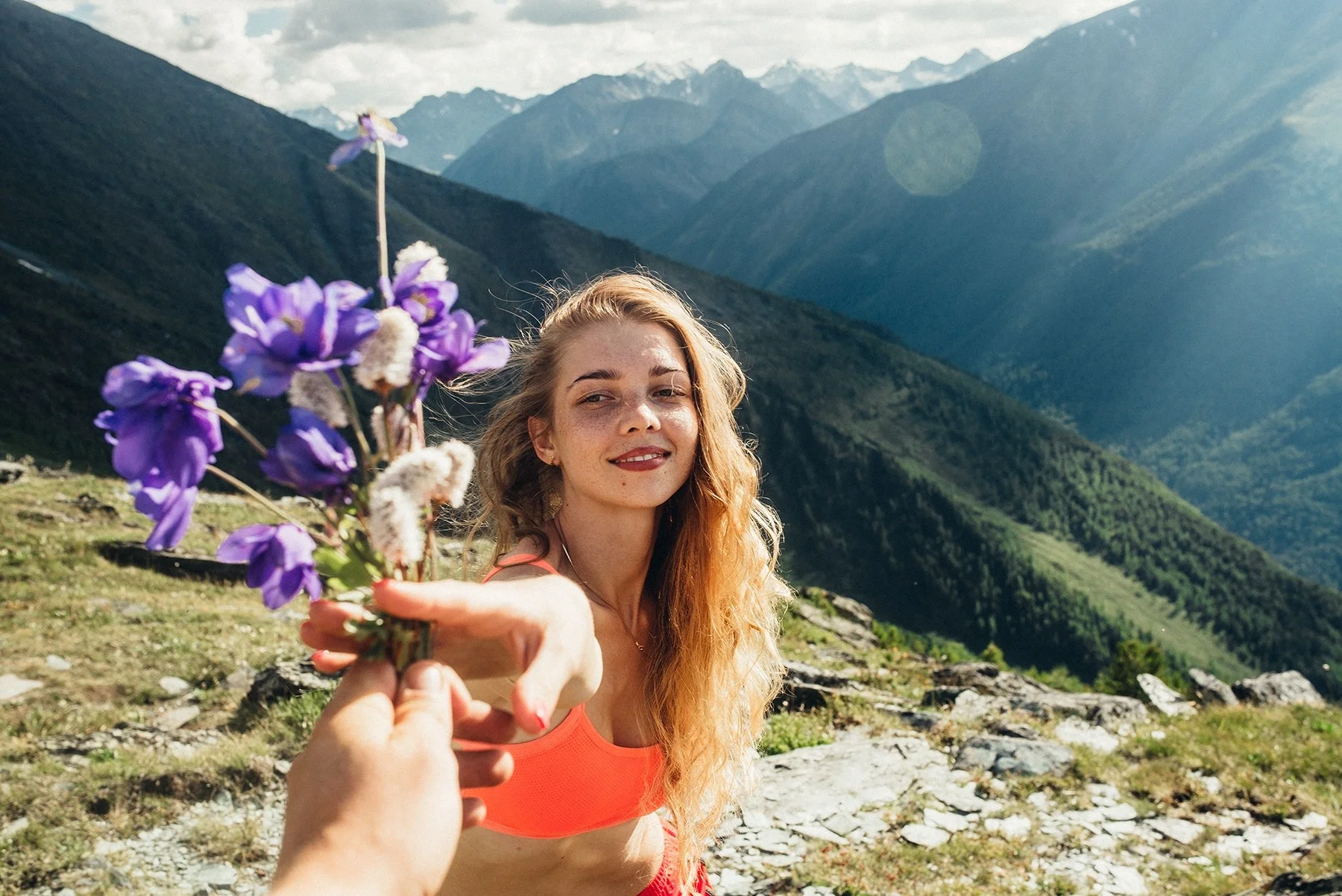
Start with a conversation, not persuasion
Hiking may be your favourite pastime and hold little appeal for your partner or friend. That is not a character flaw or a reason to test the relationship. Ask what interests them and what puts them off: sleeping outdoors, exertion, facilities, uncertainty or simply different plans.
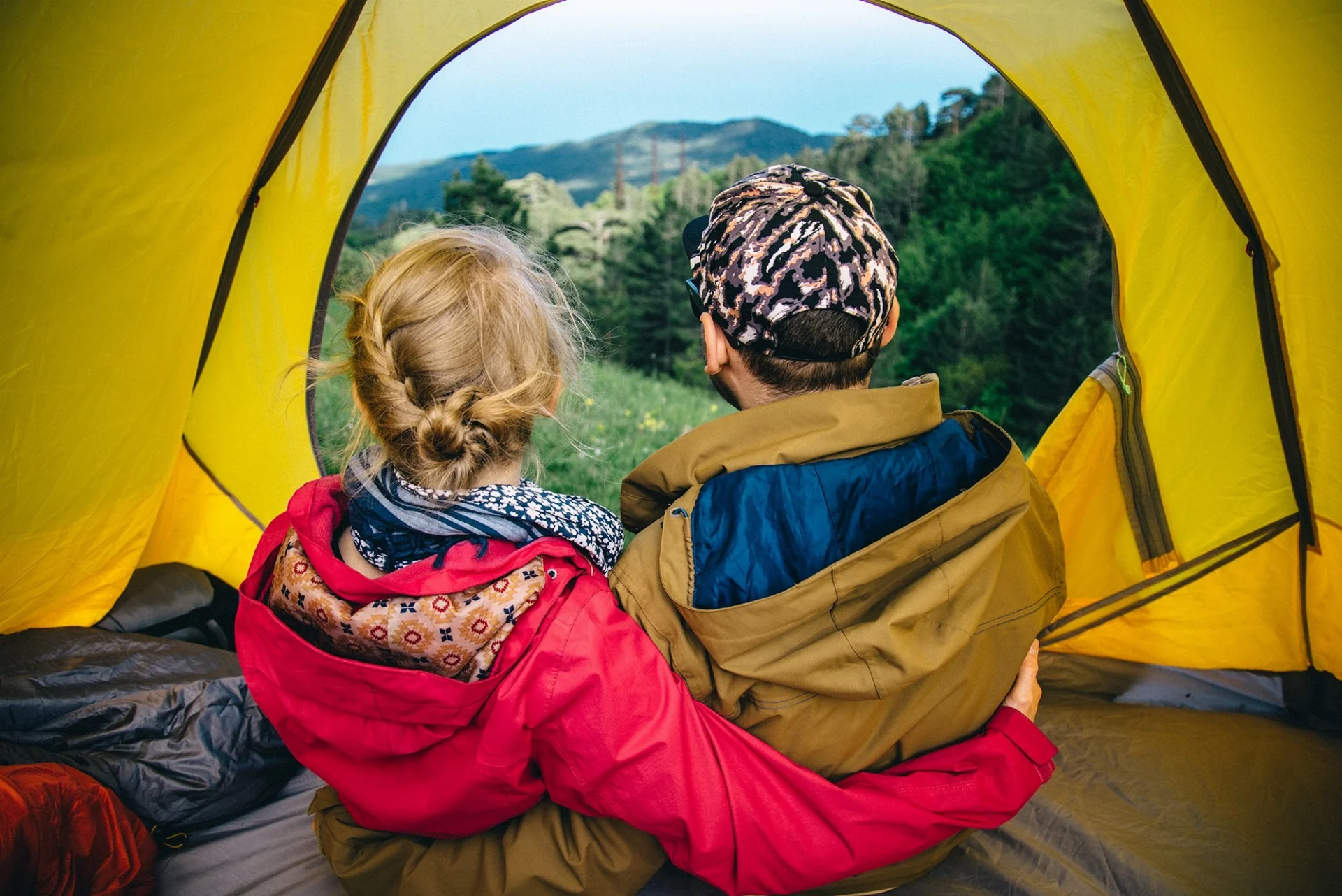
Explain honestly what to expect
Show the route, walking times and overnight arrangements. Explain water supplies, toilets, phone coverage and options for finishing early. Do not promise an easy stroll if you intend a demanding unsupported trip. A beautiful view can be a surprise; the absence of essential comfort agreed beforehand should not be.
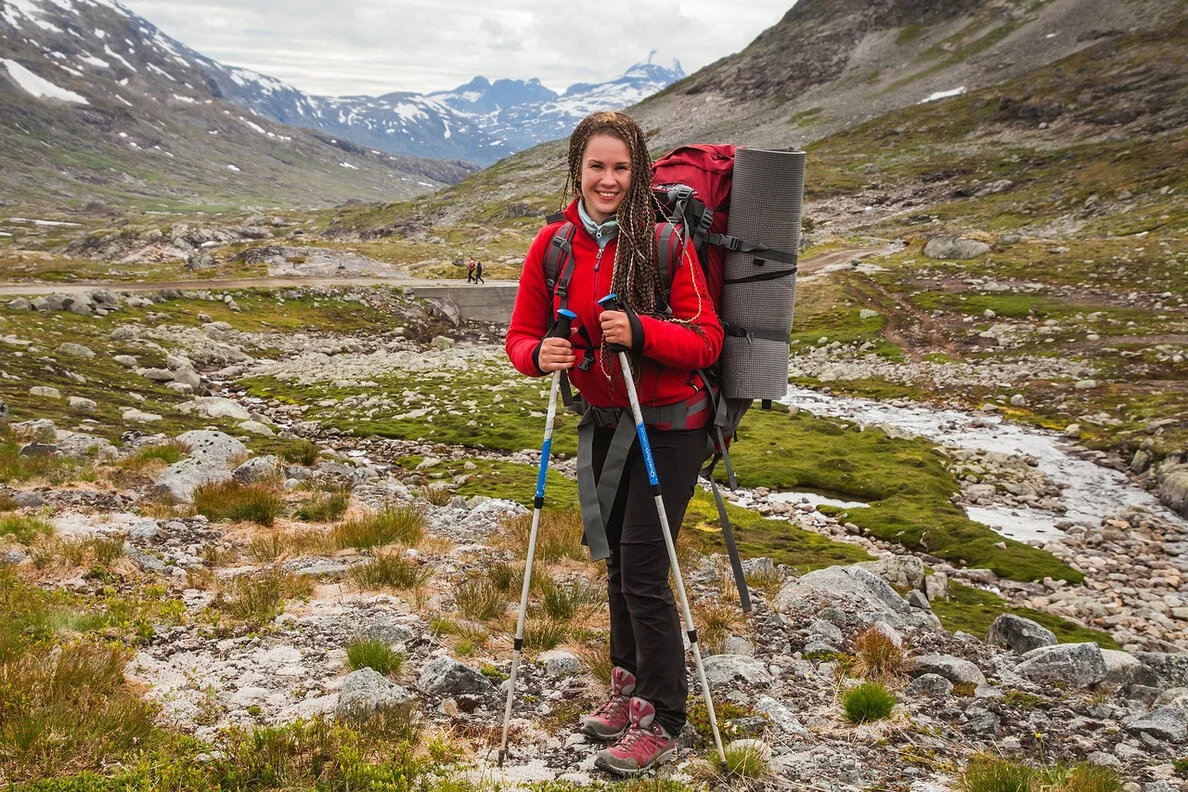
Choose a small first step
A short walk followed by returning home or staying in familiar accommodation can be a good introduction. A weekend camping trip is another possible step if it genuinely suits both people. Two days does not automatically mean an easy route: consider terrain, weather, access and opportunities to turn back.
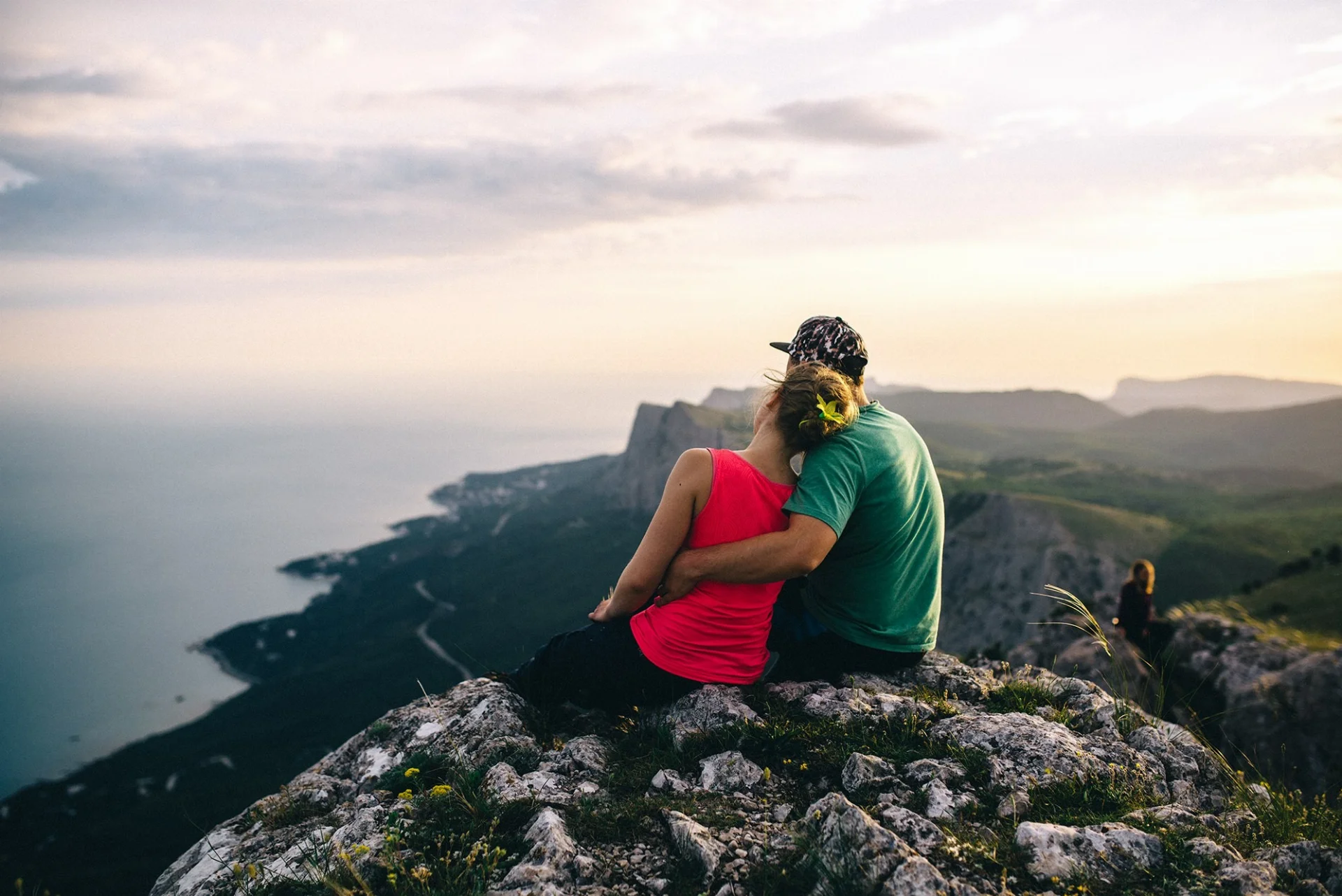
Take doubts seriously
Someone may worry about health, toilets, cold, insects or sleep. Do not dismiss every concern as a myth. Discuss specific solutions and limits; health questions may call for a suitable format and professional advice. “I did it, so you can too” is no substitute for preparation.
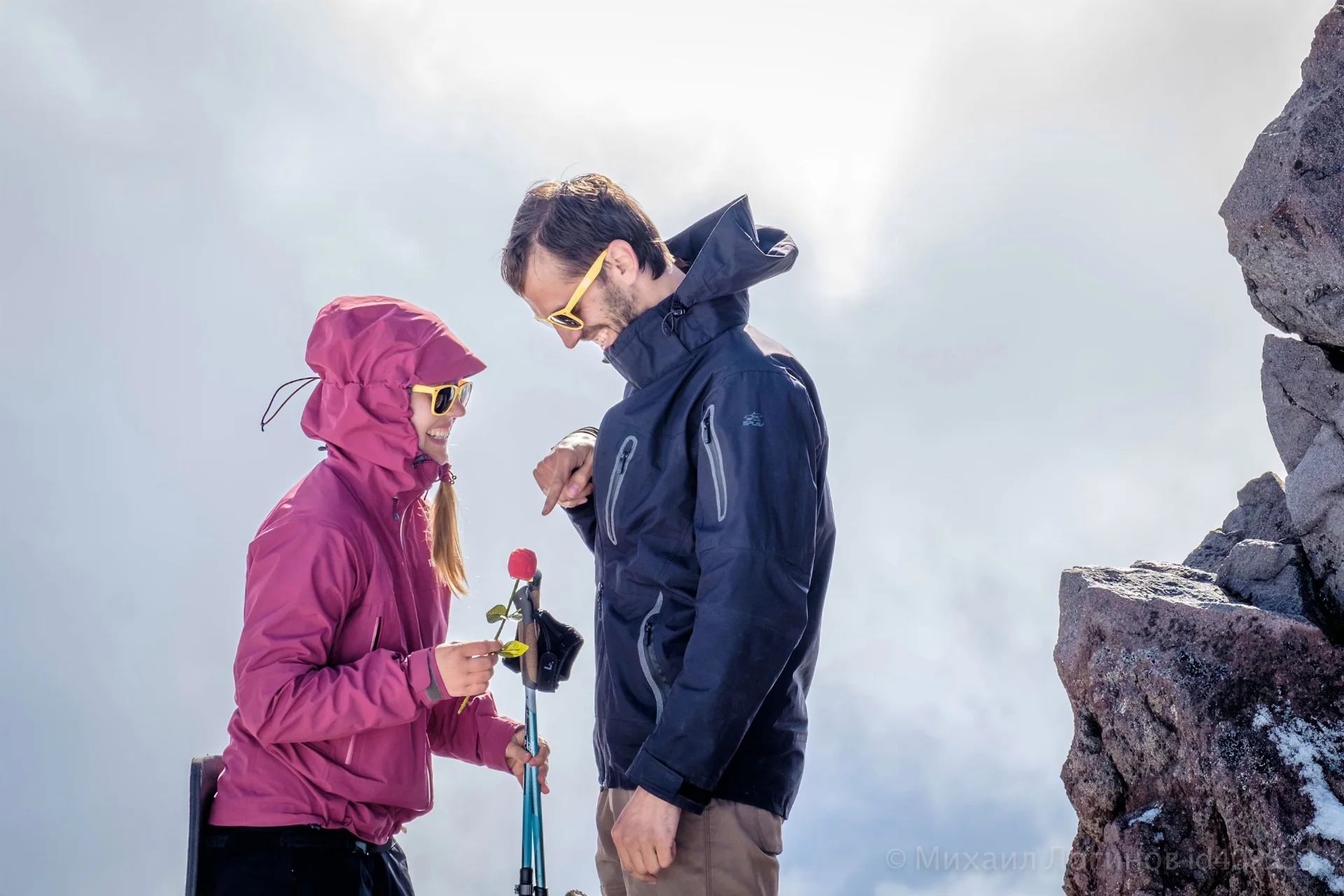
Combine interests
One person likes walking; the other enjoys photography, birdwatching, swimming or exploring small towns. A base with short day walks and an unscheduled day may work. Compromise should be genuine: spending part of the holiday without hiking is neither a defeat nor an obstacle to your goal.
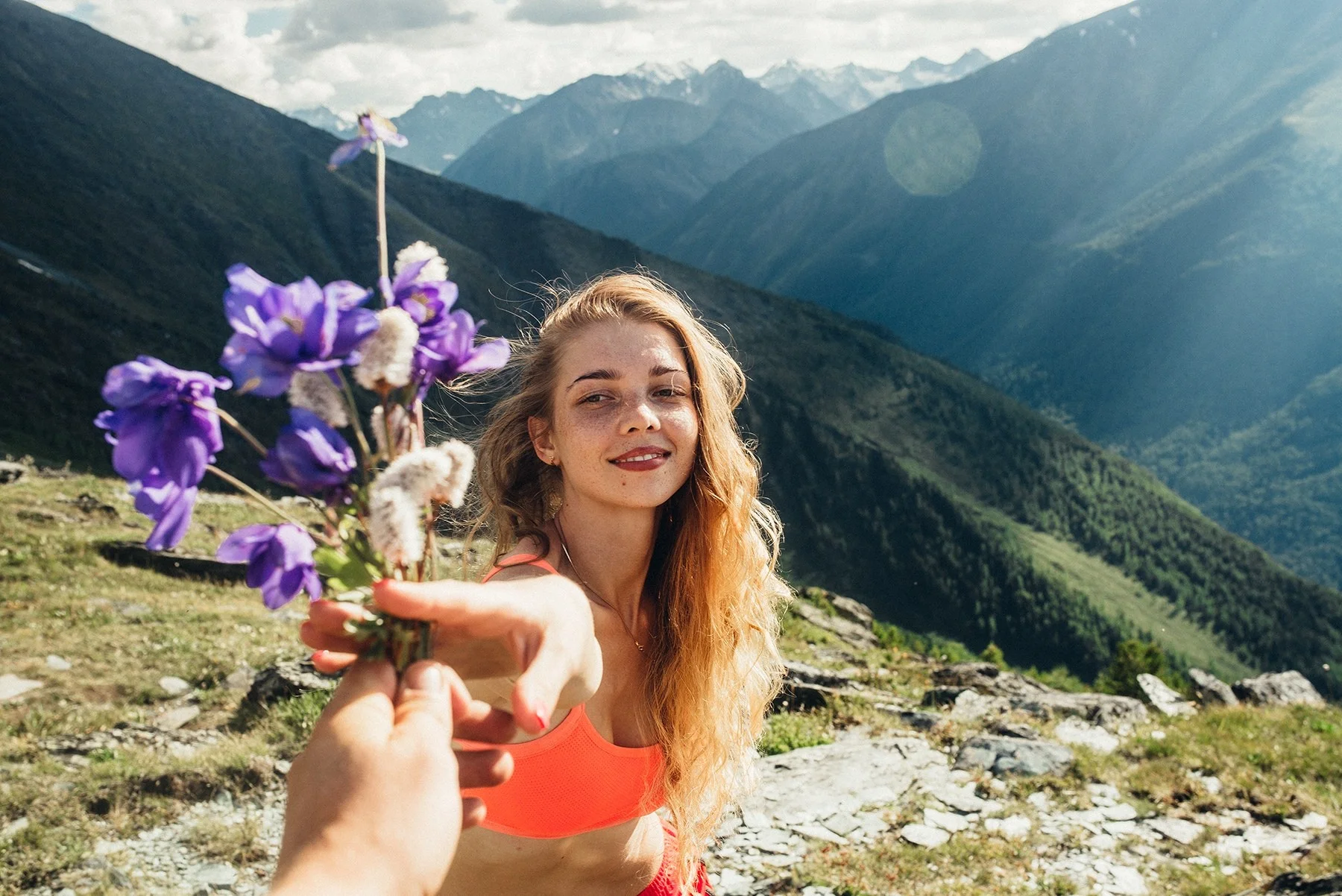
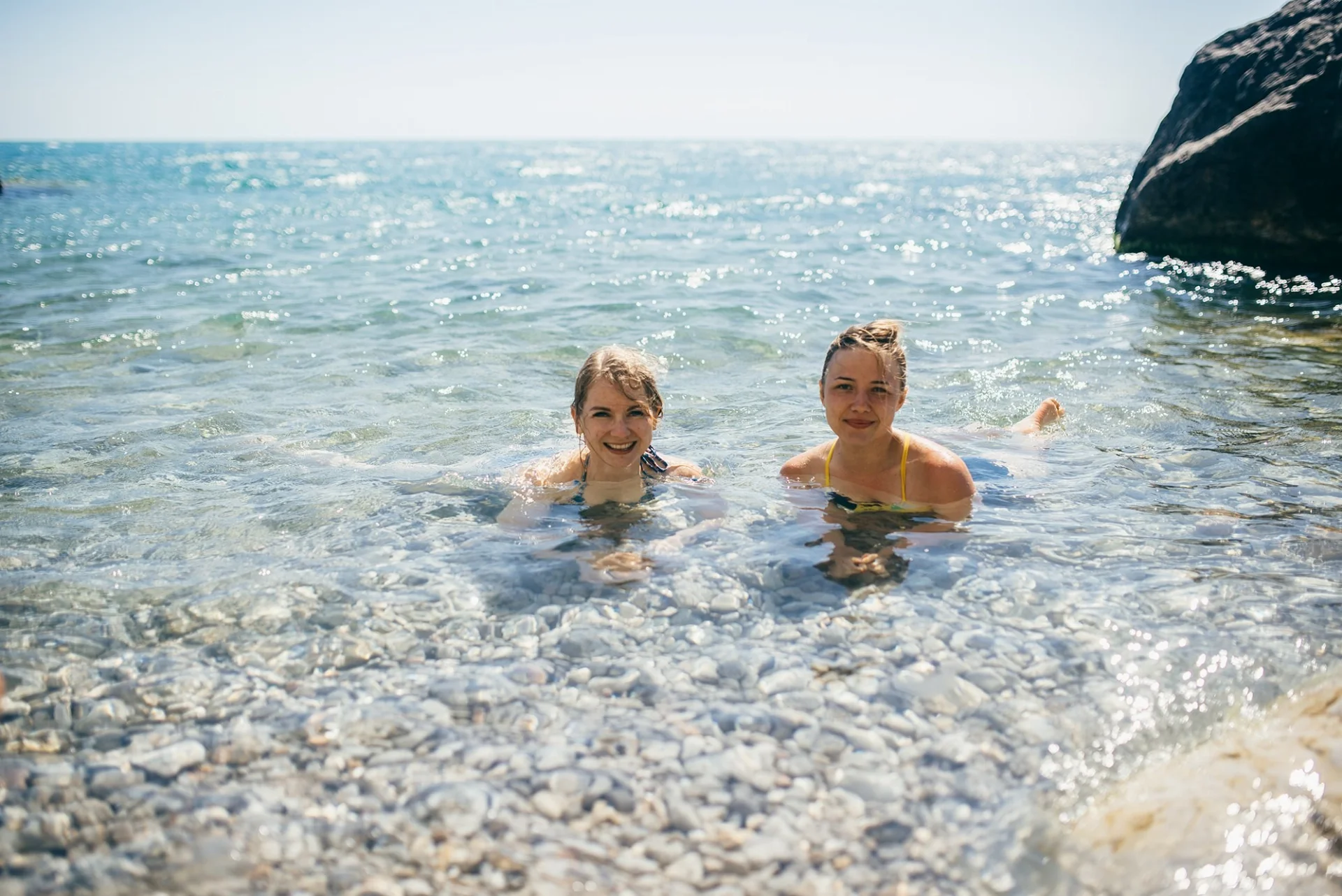
Water does not make a route easy
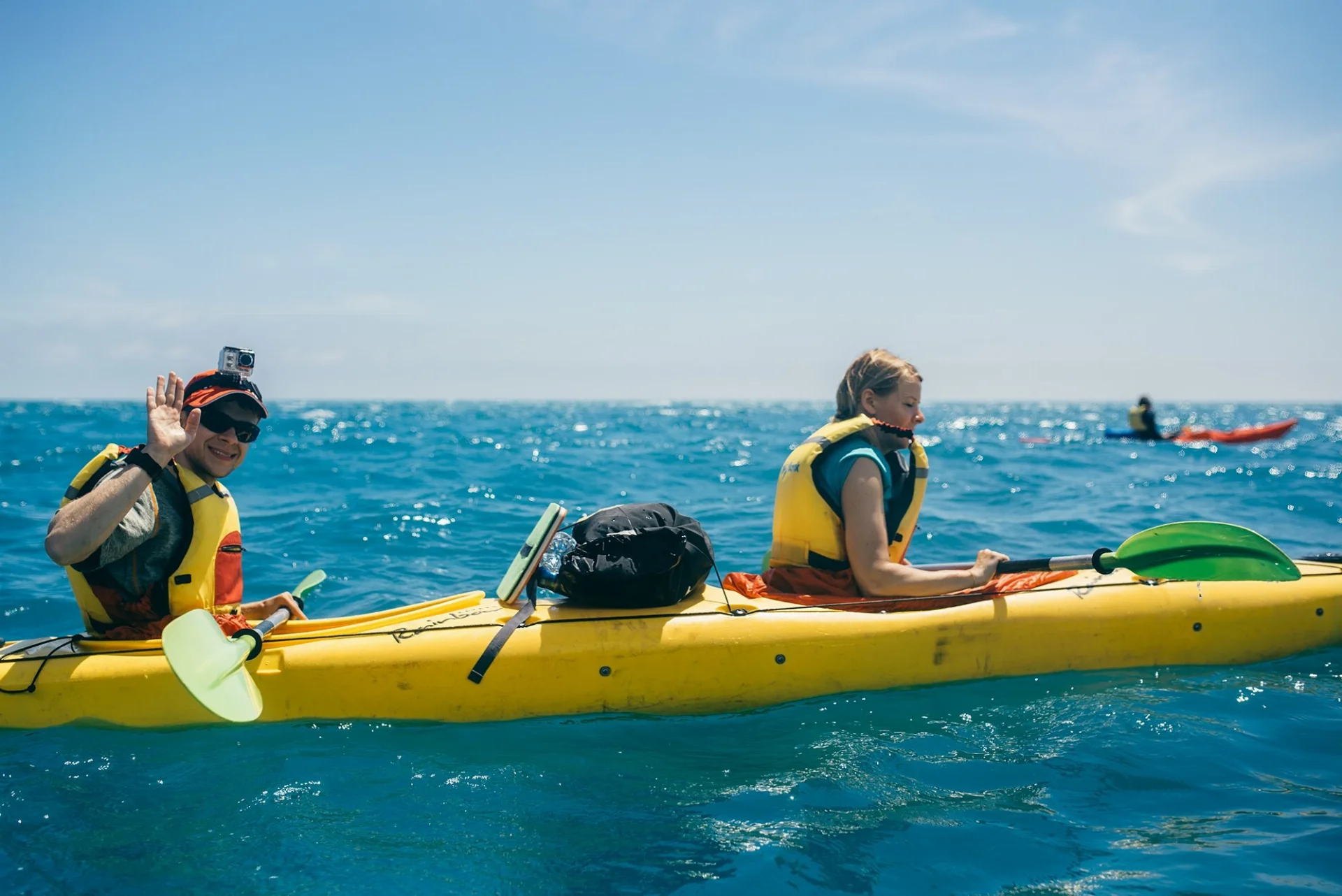
A coastal path may be hot, rocky and short of drinking water, while kayaking requires preparation and appropriate conditions. Do not choose a paddling trip merely for an attractive promise of seaside scenery. First consider skills, available instruction and safe landing options; an ordinary waterside holiday may suit both people too.
Help with equipment
Make a clear list and test footwear, pack and clothing fit on a walk before departure. There is no need to buy a complete expensive setup immediately: suitable rental or borrowed equipment can make trying the activity easier. Borrowed items must still suit the user in size, purpose and condition.
Agree on pace and responsibilities
Plan walking stages around the less experienced participant’s ability and allow time for rests. Allocate shared equipment and camp tasks according to strength and skills rather than gender. Ask regularly whether the pace feels comfortable, and discuss changing plans before tiredness becomes an argument.
Do not turn the trip into an exam
A beginner needs time to learn packing, drinking while walking, pitching a tent and other small routines. Demonstrate calmly without comparisons to someone else’s achievements. Refusing to continue, shortening a route or turning back because of weather should not invite ridicule. The option to stop makes the agreement honest.
Talk about the trip afterwards
Ask what they enjoyed, what was uncomfortable and what they would change. Do not treat one successful walk as consent to every future expedition. Increase duration and difficulty gradually and by mutual agreement. Sometimes repeating the same simple format is the best next step.
Leave room for choice
Shared interests are enjoyable, but need not overlap completely. One person may love tents, another prefer day walks and another choose a different holiday. A good invitation leads to an informed, voluntary choice rather than somebody enduring a route for your sake. That makes future trips easier to plan too.