
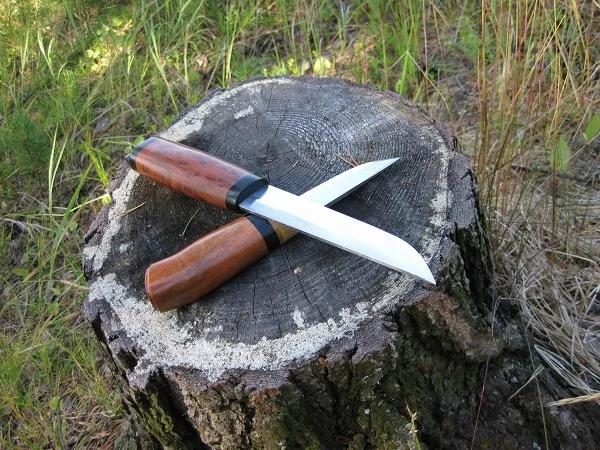
Prepare the tool before leaving
Check cleanliness, handle condition and safe storage before the trip. If the cutting edge needs maintenance, do it at home using an appropriate method or consult a specialist. Darkness, cold and fatigue after a demanding walk are poor conditions for learning to sharpen a knife for the first time.
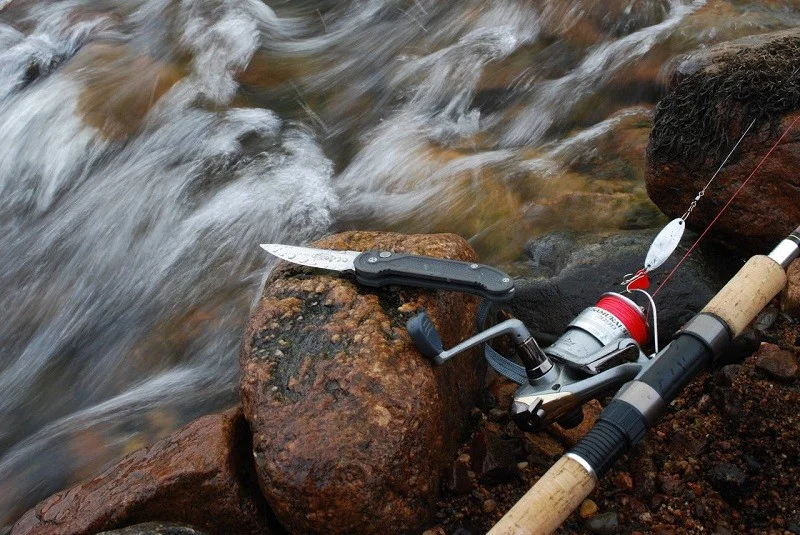
Not every stone is suitable
The earlier article suggested using improvised surfaces. That advice is not a universal instruction: unknown abrasive material, surface condition and angle may damage the tool and increase injury risk. Do not test sharpness on skin or turn maintenance into a performance for the group.
Use the right tool for each job
Do not use a knife as a screwdriver, pry bar or splitting tool unless its design specifically supports that use. When planning cooking and repair equipment, bring suitable tools. A cutting edge does not have to solve every outdoor task; avoiding an unnecessary operation is often better than hurried improvisation.
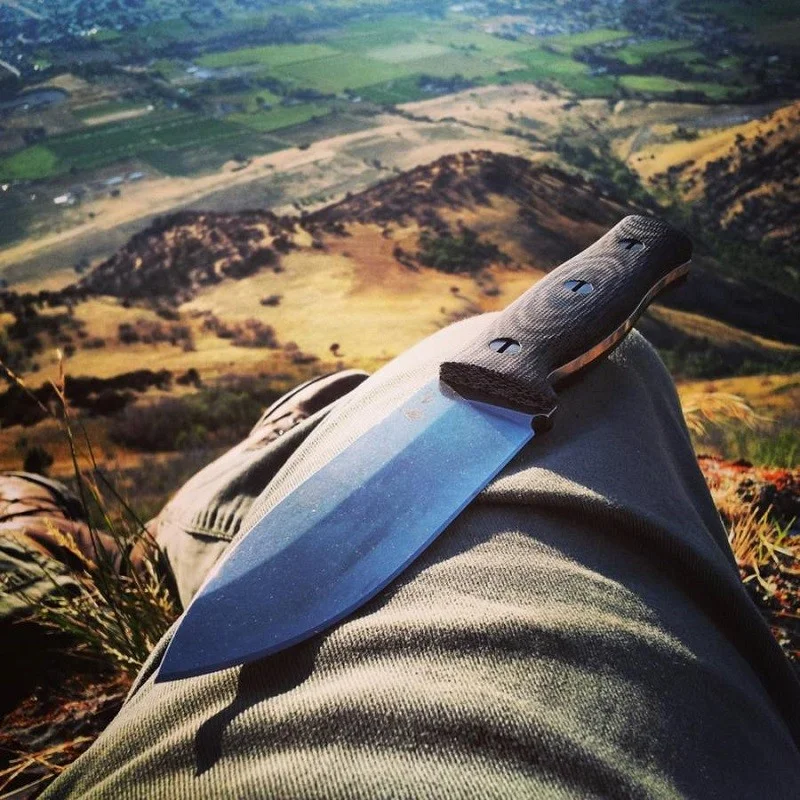
After use
Clean and dry the tool according to the manufacturer’s guidance. Carry it with the edge protected and do not leave it open among food or shared equipment. Archive images and links have been retained for editorial review. They do not replace safe-handling instruction or maintenance appropriate to the particular blade.