Start with the route
The question is more than a debate between campfire atmosphere and stove speed. First establish site rules, permitted fuel availability, weather, trip duration and group size. If open fires are prohibited, a habit of cooking with wood does not change the restriction. Check separately which stove types are allowed.
For a short trip, know at least one simple hot meal and an option requiring no cooking. An unsupported trip also needs a fuel estimate, spare time and a plan for equipment failure. Having a stove in your pack does not mean you have tested it or brought suitable fuel.
Why a stove is convenient
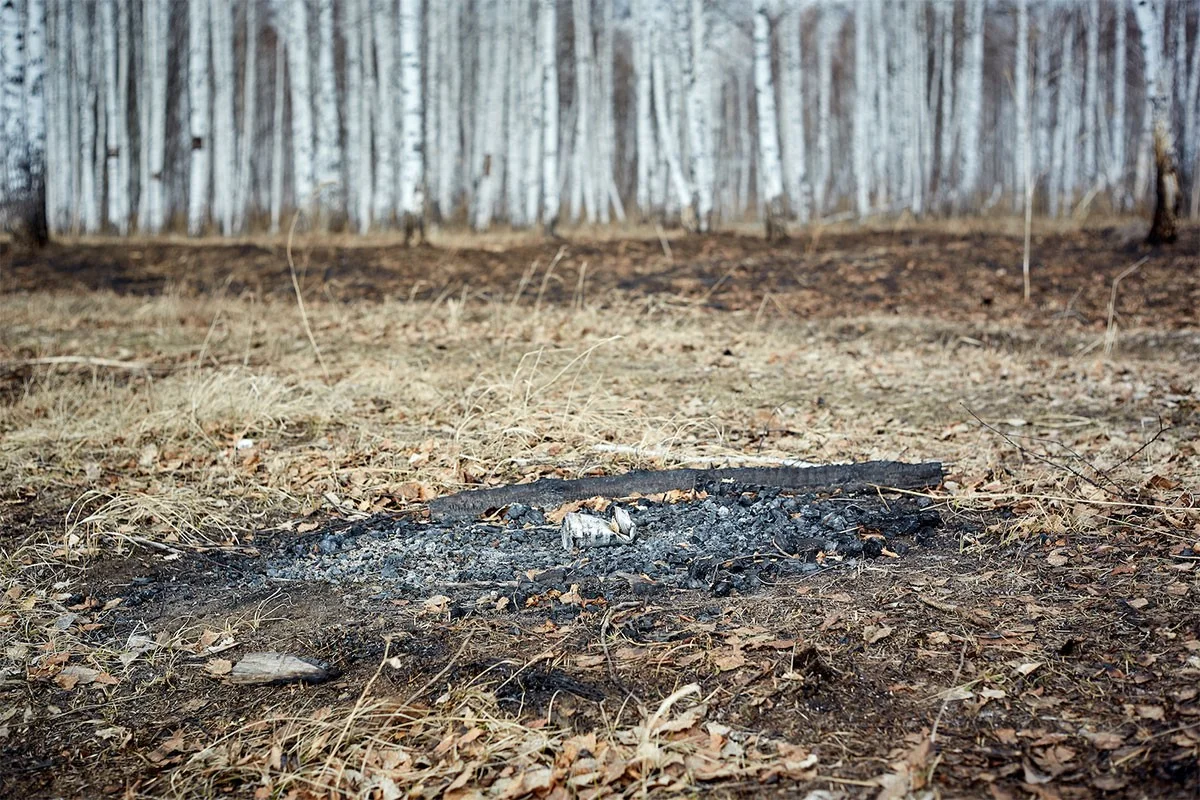
A stove reduces dependence on finding dry wood and lets you repeat a familiar cooking method. Depending on the model, it may suit boiling water or finer heat control. Check that pot supports and cookware are compatible: a large group pot does not automatically belong on a miniature stove.
Published boiling times refer to particular test conditions. On the trail, wind, water temperature, volume, cookware and fuel condition change the result. Do not plan dinner around a promise that every litre will always boil in four minutes.
What a campfire requires
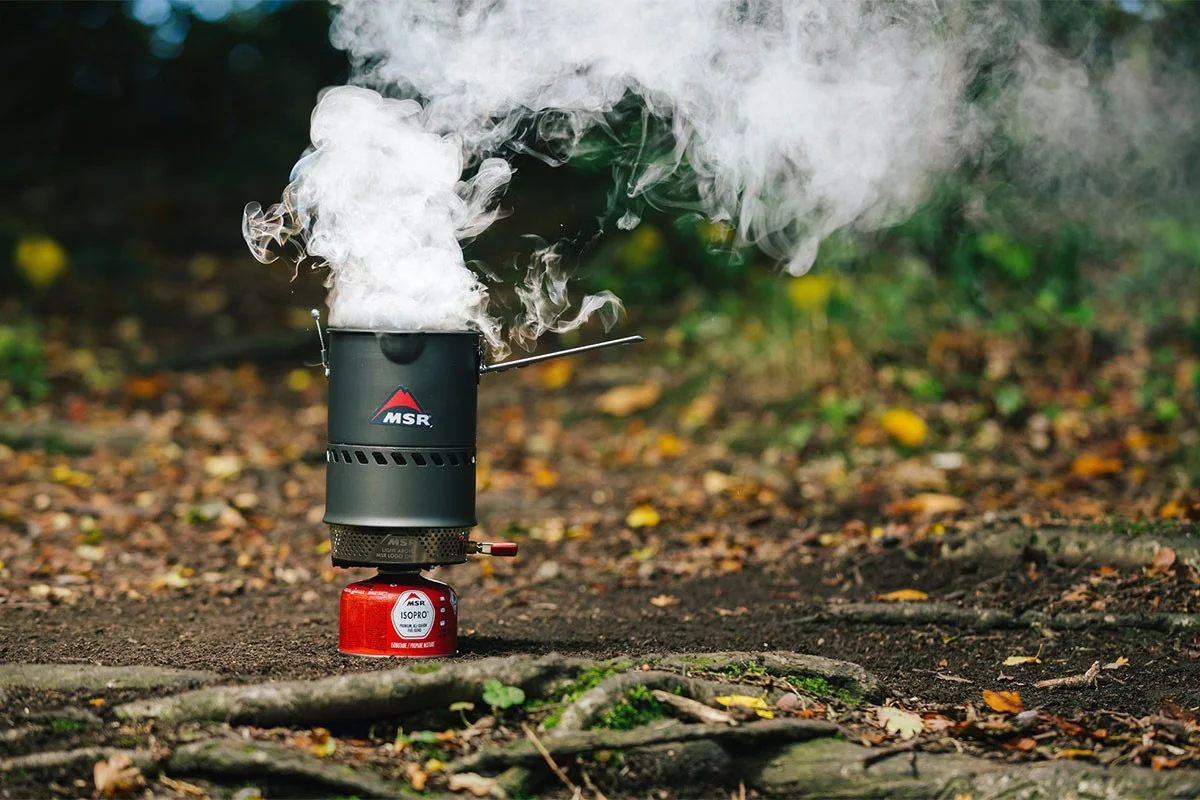
A campfire needs an authorised site, permitted fuel, safe organisation and enough time to extinguish it completely. An old fire scar does not prove fires are allowed there today. Do not cut turf or vegetation to make a new hearth; use authorised established facilities.
Cookware over a fire must be stable, with fabric and belongings kept away from sparks. Fully extinguish flames and embers before leaving. If weather or restrictions prevent doing this safely, cook another way or eat food that needs no heating.
Where and in what weather to cook
Above the treeline or at a busy campsite, you cannot depend on finding firewood. A stove offers more options, but still needs a stable surface and conditions allowed by its instructions. Do not hold a working stove for convenience or improvise a hanging arrangement over hazardous terrain.
Consider wind and rain when selecting camp. Weather protection must not turn the cooking area into an enclosed space. If no suitable safe location is available, changing the meal plan is better than improvising beside flammable fabric.
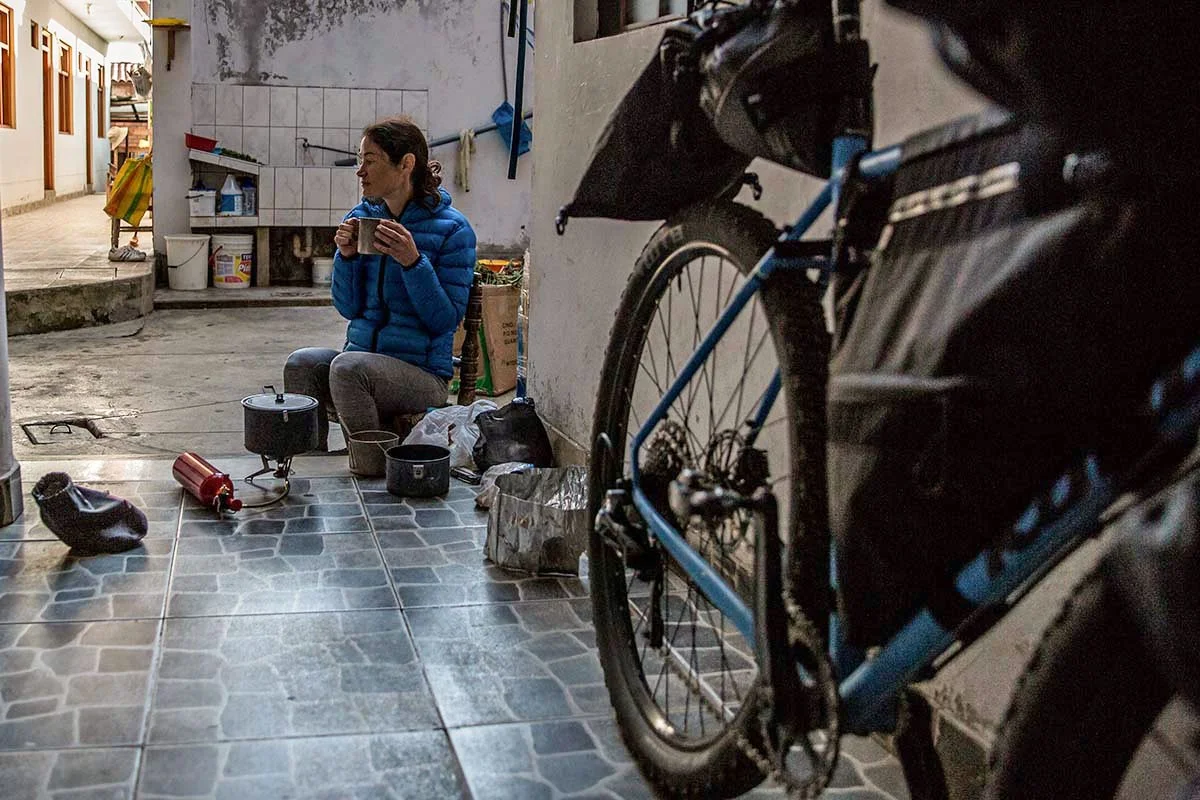
Tents and windscreens
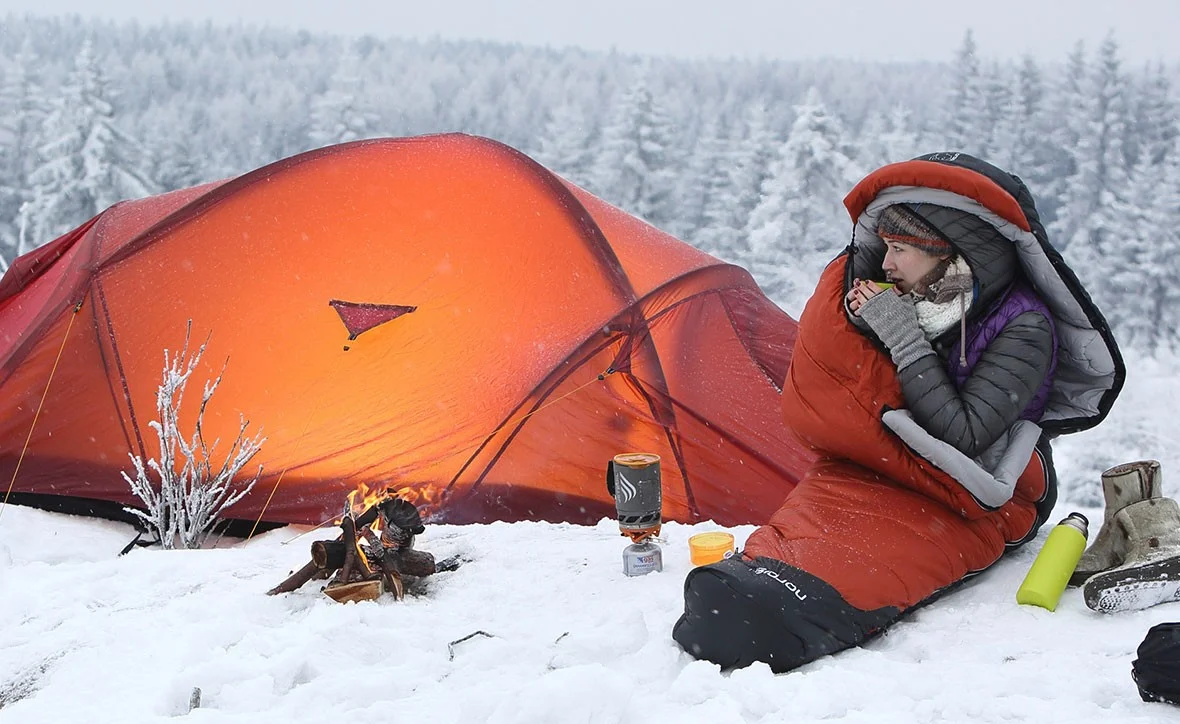
Do not use a camping stove inside a tent, vestibule or vehicle: both fire and carbon monoxide are hazards. An open zip does not turn a vestibule into a safe kitchen. Do not use a stove as a heater or leave it operating unattended.
Choose wind protection according to the particular model’s instructions. Do not surround a fuel canister with a heat-trapping screen: it can overheat. Remote-fuel systems also have manufacturer requirements for fuel, screen and cookware positions. A blanket suggestion to wrap any stove in foil is unsuitable.
Fuel and cold conditions
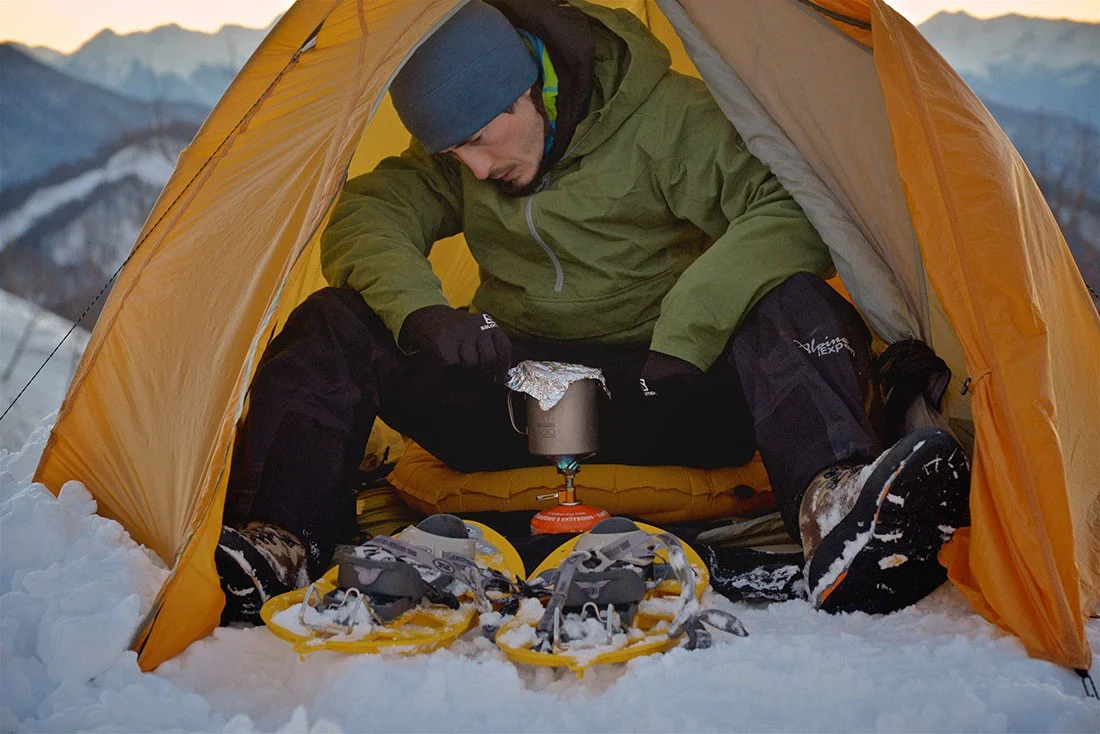
For gas, check canister and stove compatibility, connection condition and availability of the correct standard along the route. Do not depend on random adapters. With a liquid-fuel model, use only approved fuels and learn the specified maintenance beforehand.
A “winter mix” label does not guarantee identical performance from every system at a given freezing temperature: composition, temperature and design matter. Do not heat a canister with a flame or attempt dangerous ways of restoring performance. For a cold-weather route, select and test the entire setup, not just the gas name.
When a campfire remains part of the trip
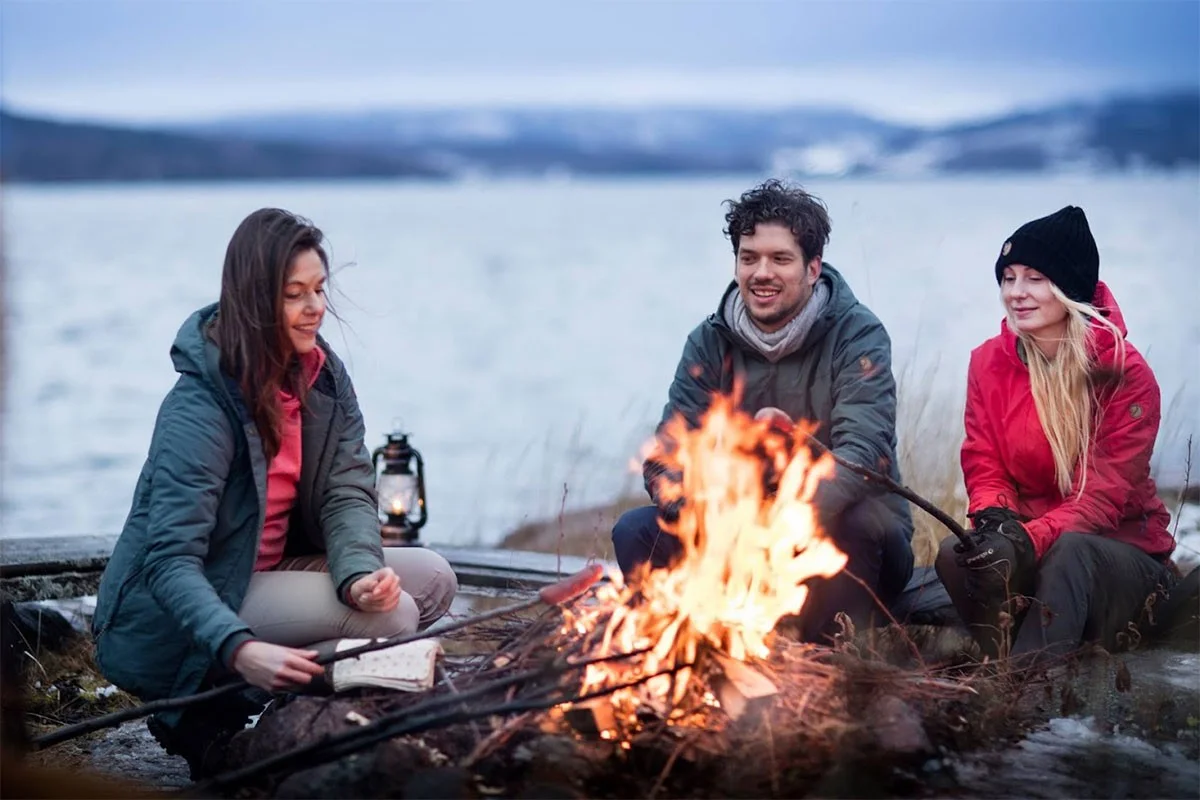
At an authorised location, a fire may suit appropriate cookware and a large group if permitted wood is available and participants can handle fire safely. Warmth and conversation do not remove smoke, sparks or the time needed for preparation and cleanup.
Do not rely on a fire for guaranteed protection from animals. Food storage and behaviour should follow local guidance. Warming yourself beside a fire also does not replace dry clothing, a sleeping bag and suitable overnight shelter.
Comparing weight and consumption
Count the complete kit: stove, fuel and containers, cookware, ignition supplies and necessary accessories. For a fire, add suitable cookware and tools if their use is allowed. Empty containers and rubbish must also be carried to a disposal point.
Estimate fuel needs by cooking your own menu on a trial run, then allow a reserve for route conditions. A universal “two canisters per week” ignores the number of hot meals, snow melting and actual heat loss. Old prices in travel accounts are not a current budget.
Twig stoves and other wood-burning systems
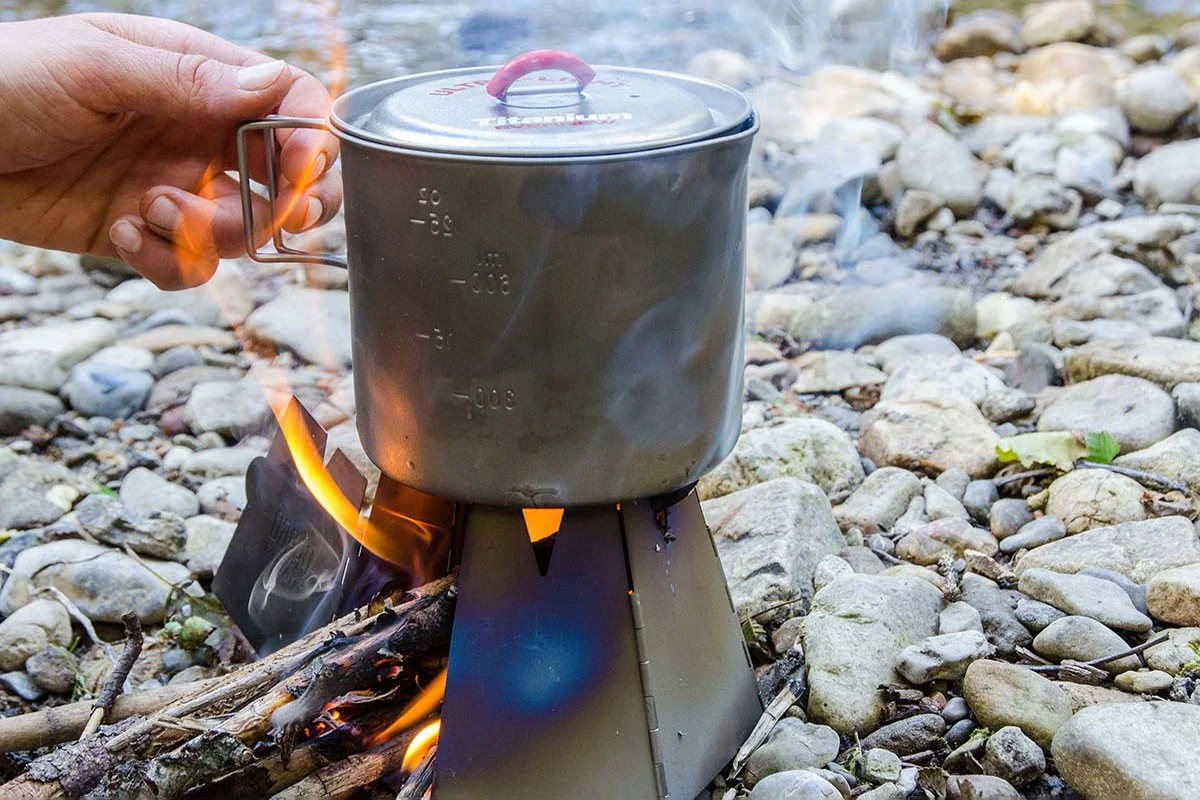
A twig stove holds a small quantity of fuel compactly, but remains a source of flames, heat and sparks. Open-fire restrictions may apply to it. Metal sides do not make it permissible everywhere or independent of wind and damp conditions.
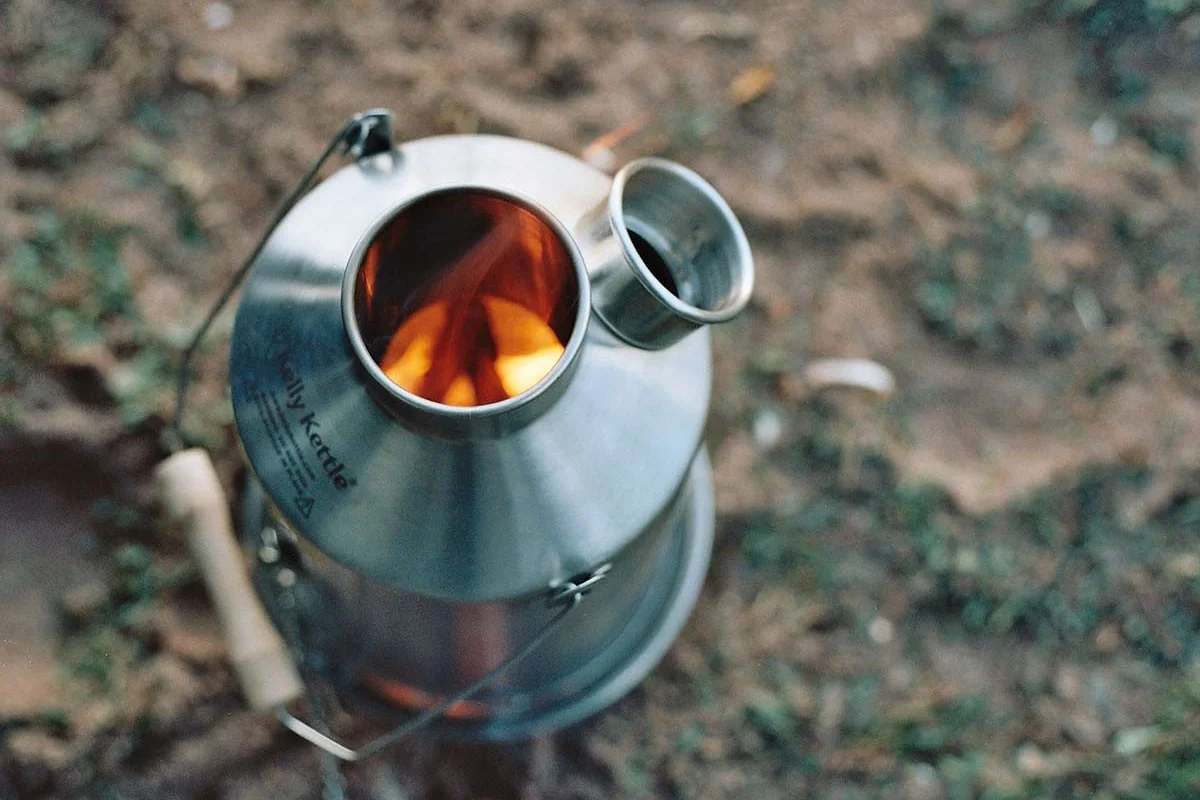
Use only permitted fuel. Food wrappers and plastic rubbish are not substitutes for wood. Operate a chimney or water-jacket device strictly according to its own instructions; it is not a universally safe kettle for any location.
What to learn before departure
Assemble the system without rushing at home, read the instructions and practise cooking outdoors under safe conditions. Check stability, handling cookware and shutting the system down. Do not start learning a complicated stove in darkness when the group is already waiting for dinner.
Agree on responsibilities: who cooks, who watches children and where hot containers stand. Keep fuel away from heat and do not change it beside a flame. Do not test faulty equipment with repeated attempts to light it; follow the manufacturer’s instructions.
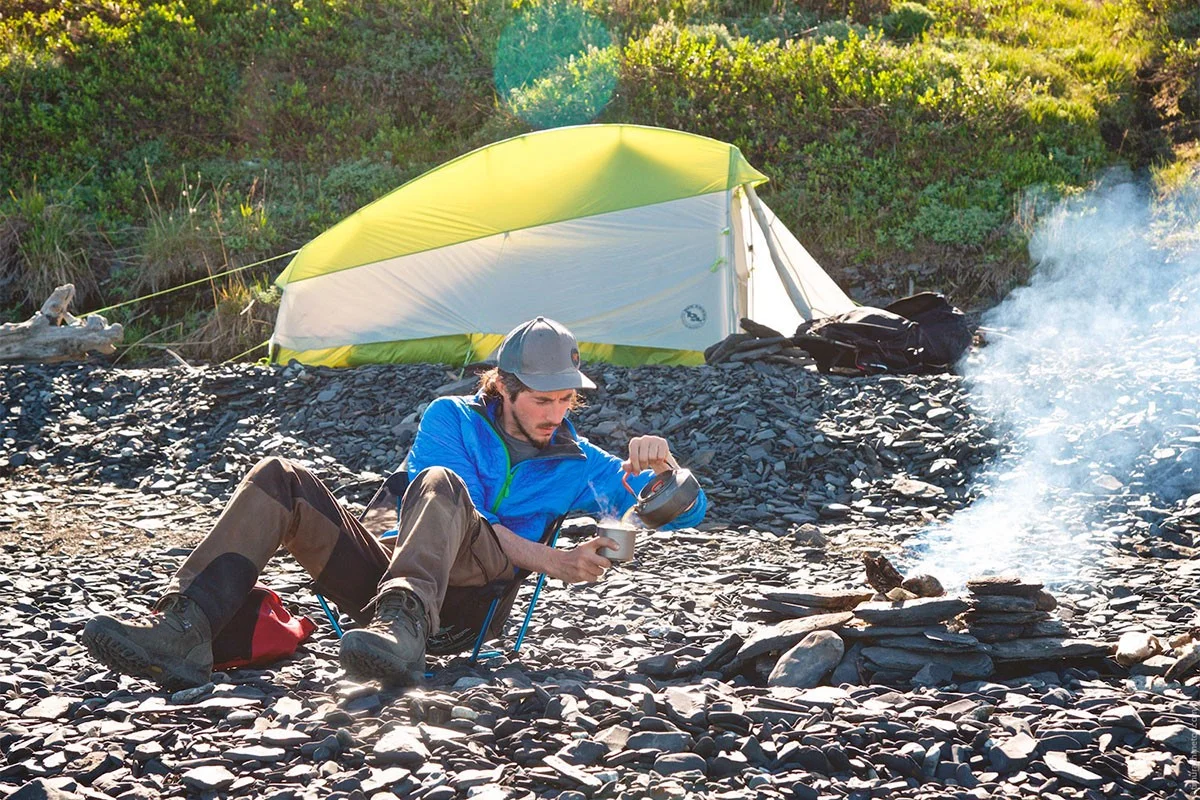
Local rules matter more than someone else’s experience
Advice from an account of another country or trip does not automatically apply to your campsite. Check permission for fires, collecting wood and using twig stoves for the particular location and current conditions. A photograph of a fire in an old report proves only that someone once lit it.
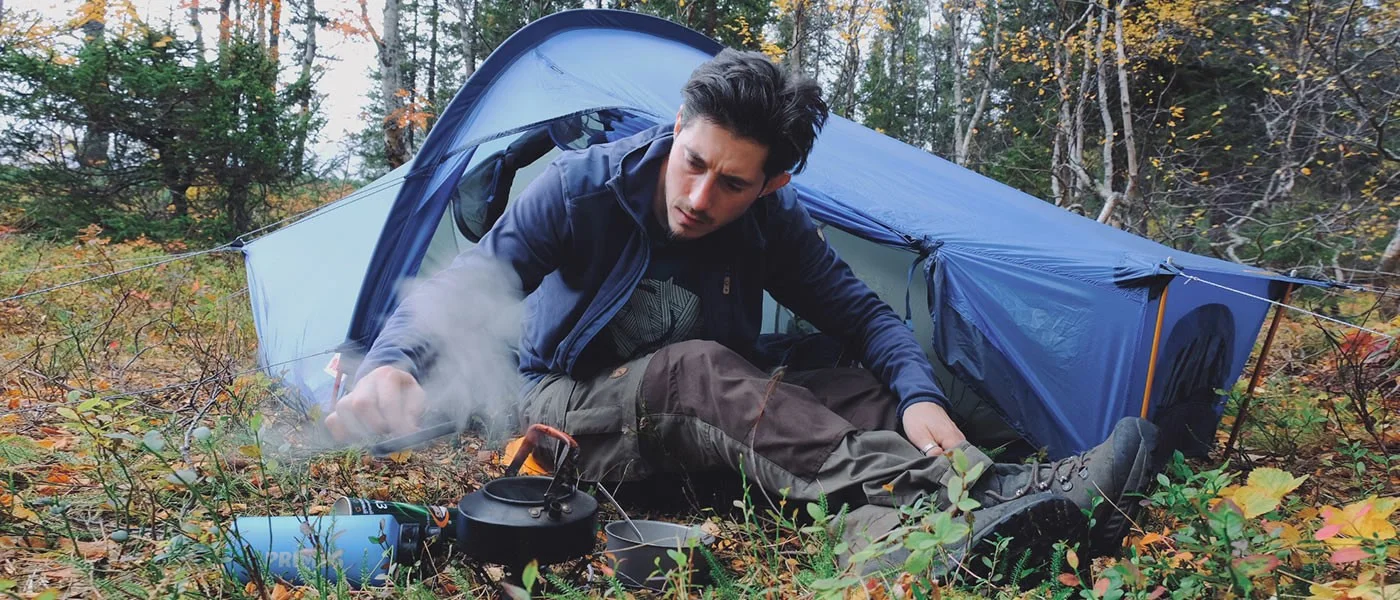
A practical decision
For a route without available firewood, plan a suitable stove and fuel. For camping with an authorised fire, assess the time required and a backup meal option beforehand. If combining both methods, each must still meet the rules and conditions: convenience does not make dangerous techniques acceptable.