
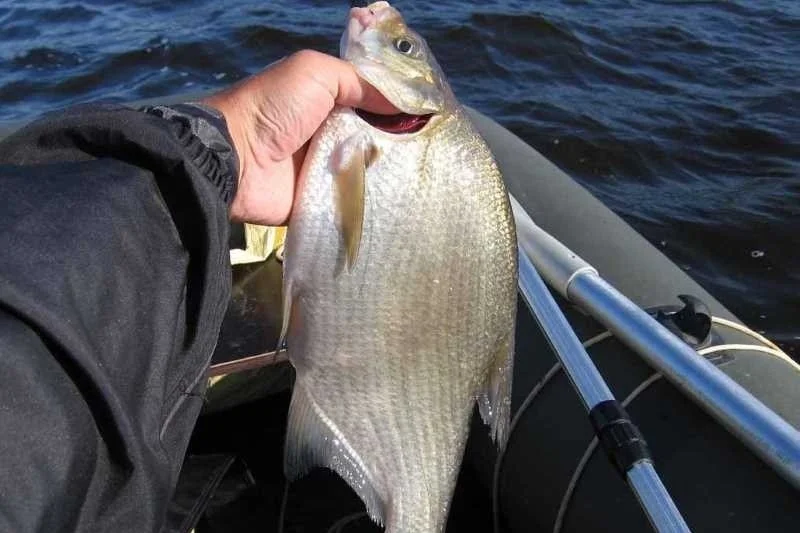
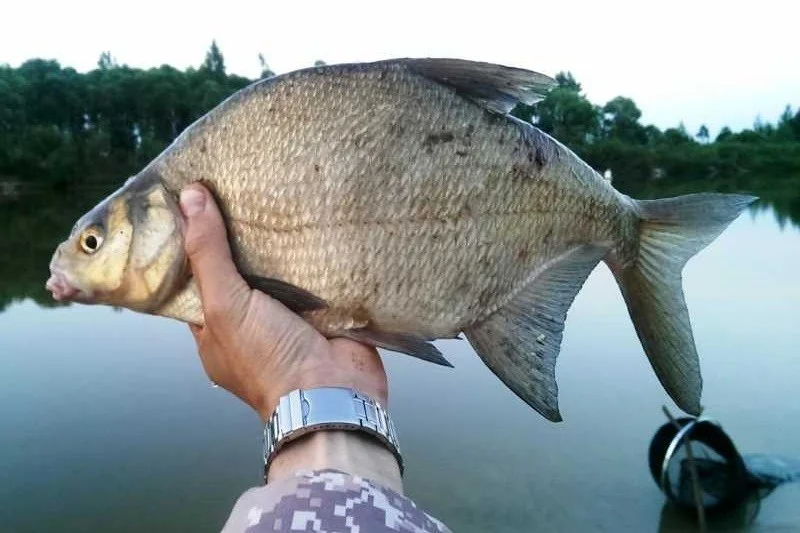
One fish at different sizes
The Russian term podleschik generally means a young bream, not a separate species. Start with bottom features, feeding areas and water conditions. Neither the shoreline nor a four-metre depth universally separates young fish from large ones.
Temperature and oxygen
Deep waters may develop temperature stratification in summer. A thermocline is not necessarily the layer with the most oxygen, however: distribution depends on the lake and processes within it. A gentle midday breeze does not guarantee bream moving to the surface either.
Test the idea
Compare several distances and areas, measure depth carefully, maintain understandable presentation and record bites. Assess bottom type alongside food and features rather than rejecting all silt. Groundbait helps organise a swim but does not create fish where none are present. Notes across seasons and times are more useful than one successful session.