
Look before you cast
An inviting bay may hide a solid carpet of dying weed, while an unremarkable gap between plants offers a clean retrieve. Before the first cast, identify the visible edge, small openings and the transition to clearer water. Notice where wind pushes floating stems. This helps you distinguish a usable lure path from an immediate snag.
There is no need to wade straight in or stand on an unstable bank. Make the first retrieves from a safe position, including along the nearest cover: a fish may be closer than you expect. Check permitted access and current fishing restrictions before travelling.
Divide the area into three lanes
Instead of repeating the same cast, test the near edge, the outer boundary and a separate opening. Where possible, retrieve parallel to the vegetation so the lure stays near cover longer. Casting into the middle of dense weed often means spending time clearing hooks without learning much about the fish.
Choose clearance as well as colour
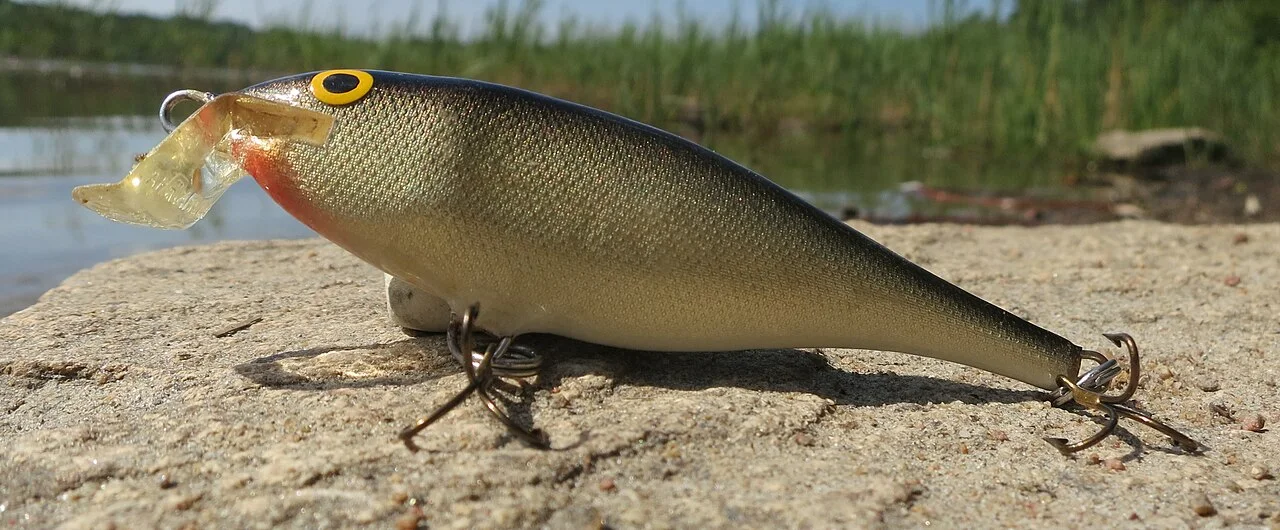
Sparse weed and dense stems call for different approaches. Exposed treble hooks suit a clear lane but may collect vegetation elsewhere. A rig with a protected hook point can pass different obstacles, yet it does not make a lure snag-proof. Match the rig to the lure and conditions, and use a leader resistant to pike teeth.
Inspect the hook and connection after several retrieves. Weed on the point, a dull hook or a damaged leader can matter more than another change of colour. A lure that returns covered in weed has not been fishing effectively throughout the retrieve.
Change one variable
If you have made enough clean retrieves without a response, first change depth or direction. Try the same edge from another angle rather than changing the lure, speed and location together. If a fish follows, remember the distance and the part of the retrieve where it appeared. Treat that as an observation, not a promise of another strike.
Know when to move
If every retrieve brings back a bundle of stems, choose another lane or another section of bank. Do not force tackle through dense weed simply because the spot looks attractive. Before moving, note the paths you could fish cleanly. On the next visit, you can start with those rather than repeating the whole search.
Before the next cast
- You have a safe casting position and a practical place to bring a fish in.
- There is a visible lane without constant obstructions.
- The leader, knots and hook point have been checked.
- You know which variable the next retrieve is testing.