
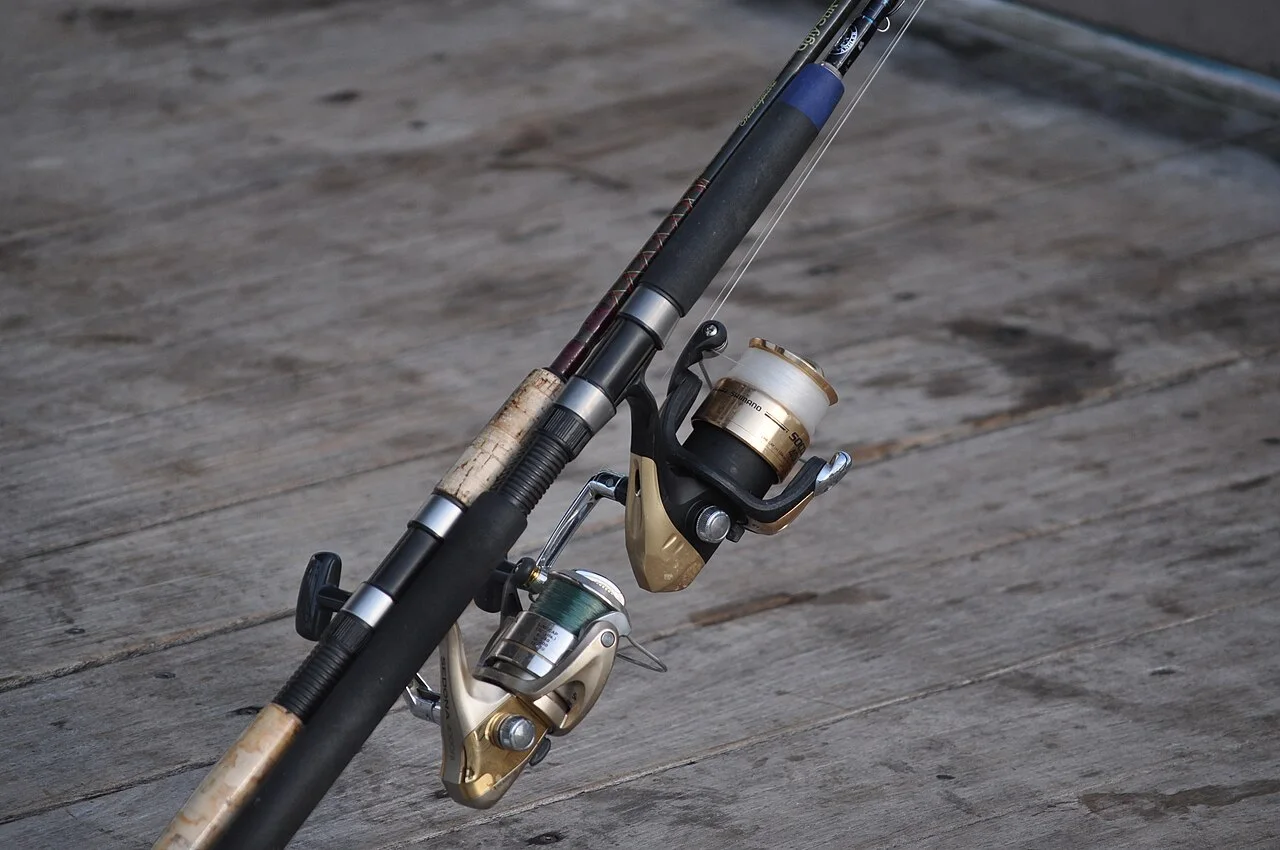
Do not pull the tangle tight
If several coils spill off the spool during a cast, stop. Do not immediately turn the handle and pull the loop into the line underneath. Remove the tension, place the rod where its guides will not be damaged, and identify the loose coil. An open loop is easier to untangle than a tight knot in fine braid.
A visibly scuffed or damaged section is best kept out of the working length. Collect discarded line in a bag or closed container instead of leaving it on the bank.
Check how full the spool is
An overfilled spool can make it easier for extra coils to spill off. However, a universal instruction to leave exactly the same gap on every spool ignores differences in design. Follow the manufacturer's guidance and consider the shape of the lip. Look for a pronounced dip, mound or loose crossing coils.
If uneven line lay persists after careful winding under suitable tension, checking the reel at home or having it serviced is more useful than adding random washers at the waterside.
Remove slack before retrieving
After the lure lands, wind or a bowed line may leave slack. Close the bail by hand, check that the line is on the roller, and then start retrieving under light tension. Do not pinch taut fine braid against bare skin. If you need to control tension, use a safe method appropriate to the tackle and conditions.
See whether the lure twists the line
Some lures rotate around their own axis when running incorrectly and twist the line or braid. Watch the lure close to the bank at the intended retrieve speed. Check the rig and the condition of its components. A swivel can help with particular presentations, but it is not a cure for every problem.
Change one thing at a time
After addressing a likely cause, make a few controlled casts. Check line lay and the absence of loose coils before trying for more distance. If the problem continues, note the line type, diameter, lure weight and the circumstances in which the loop formed. Those details are useful when assessing the reel rather than simply guessing at a fault.
A one-minute check
- There is no loose loop or damaged line on the spool.
- The line does not exceed the recommended filling level.
- The line runs over the roller without slack.
- The lure works predictably instead of spinning continuously.