
Editorial illustration SNASTI.NET.
The size listed in the reel name is not a universal standard across all manufacturers. Compare weight, spool capacity and the actual convenience of the setup with the rod you plan to fish on.
What to look out for
Capacity without excess
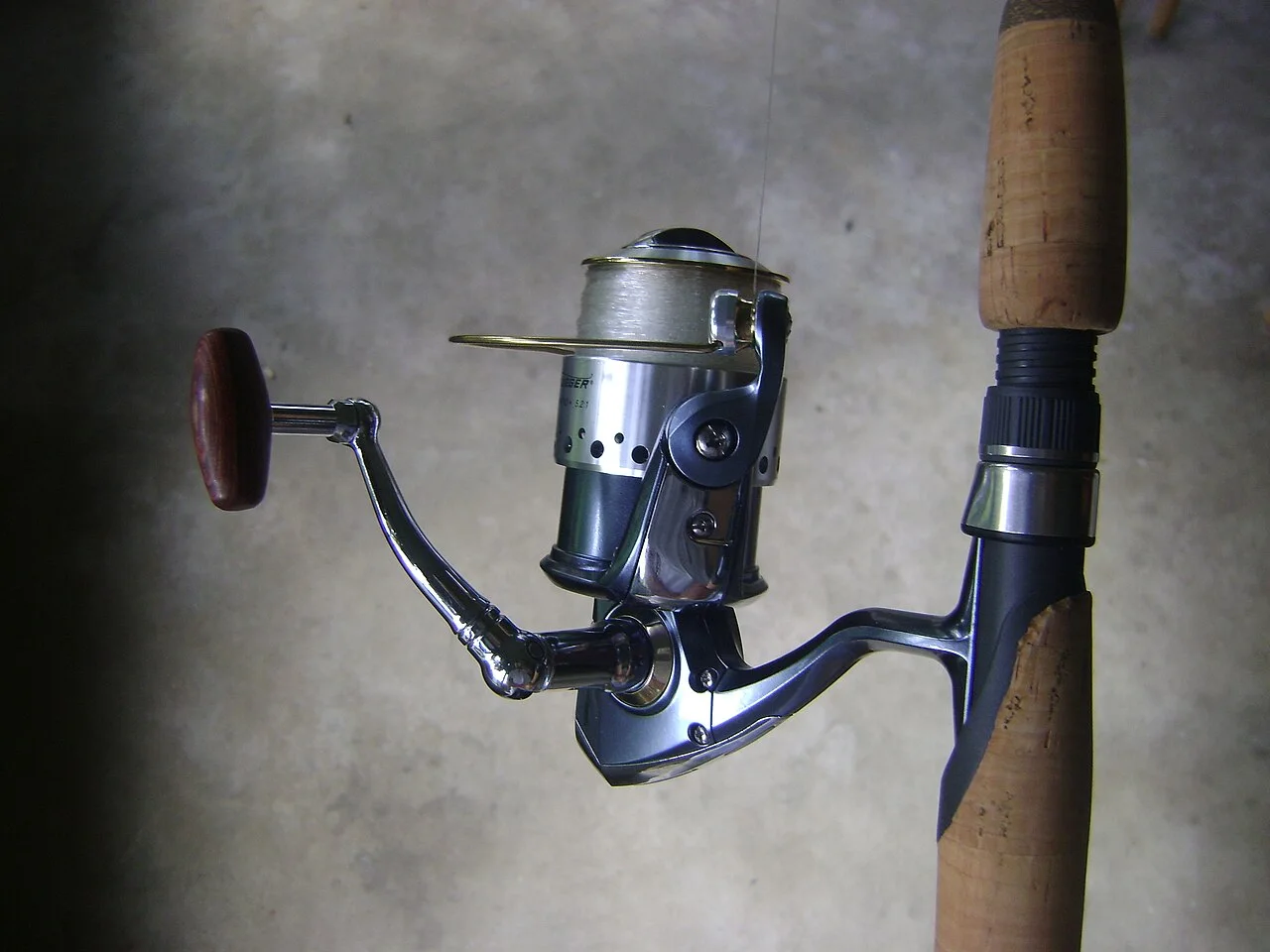
Choose a spool based on the line material and the required line reserve. An overly large capacity isn’t always beneficial, and winding to the edge can cause loops spilling off the spool. Follow the specific model’s recommendations.
Smooth adjustment
Test the drag in safe conditions before fishing. It should help you handle load, not remain fully tightened. Final tuning depends on the whole setup.
Practical Checks
Inspect the line roller, bail and the edge of the spool. Make sure the handle and controls are comfortable for your grip. A noticeable defect is better identified before purchase rather than on the first outing.
How to verify your choice
Gear is evaluated as a complete setup. At home, check connections, access to adjustments and ease of operation with wet hands. On the water, start with a short test near an accessible shore: it’s easier to spot twists, unnecessary friction or poor placement of items than to fix them while fishing.
Practical summary
Don’t separate the reel choice from the rod and line. A comfortable setup allows better control of the presentation, and the number of decorative parts never replaces a sound mechanism.
Next step: open tools for preparing tackle and the location map, to link the recommendations with a specific trip. Check current access to the chosen area before heading out.