Agree before leaving
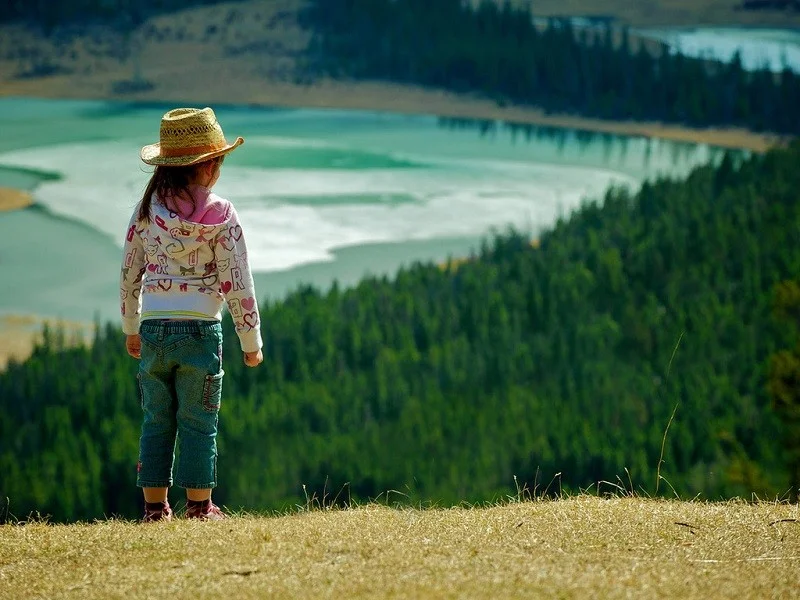
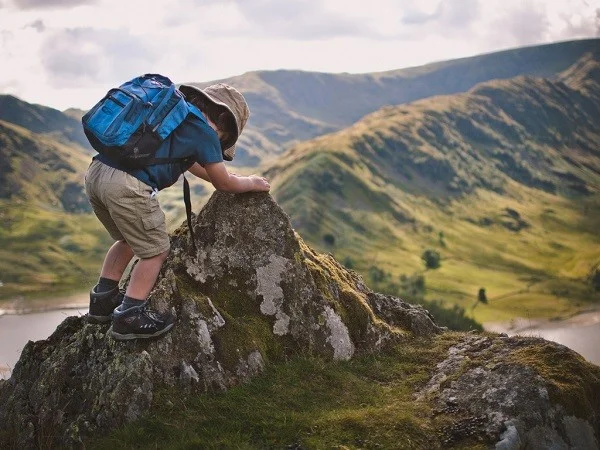
Choose a route for age, ability and conditions, leaving an option to return early. There is no universal six-kilometre limit for every child. Explain boundaries, stops and whom to approach. Adults must explicitly allocate supervision, including during breaks.
Unknown plants and animals
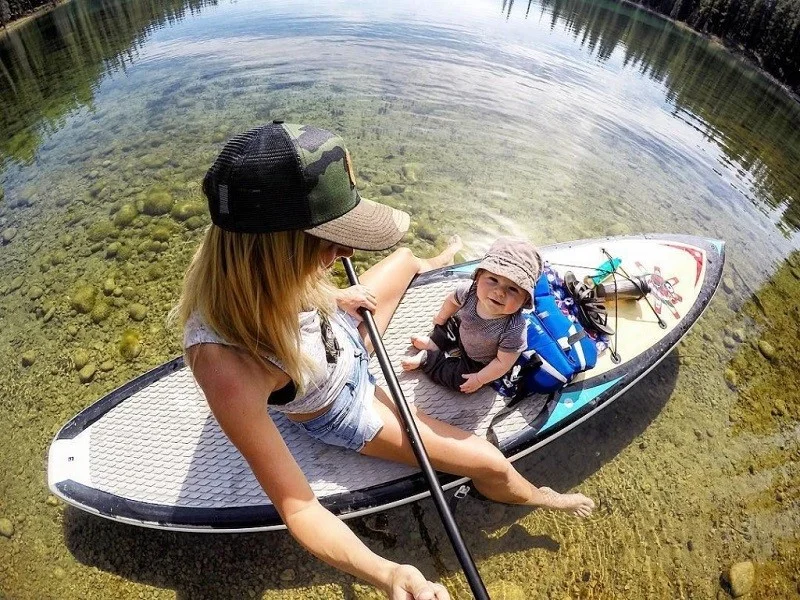
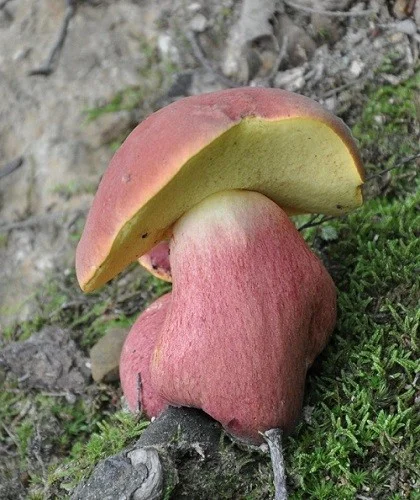
Do not allow tasting unfamiliar berries, mushrooms or leaves. A short list of dangerous species does not make the rest edible. Watch animals from a distance without pursuing or feeding them. Children need direct supervision near water, roads and drops.
Personal equipment
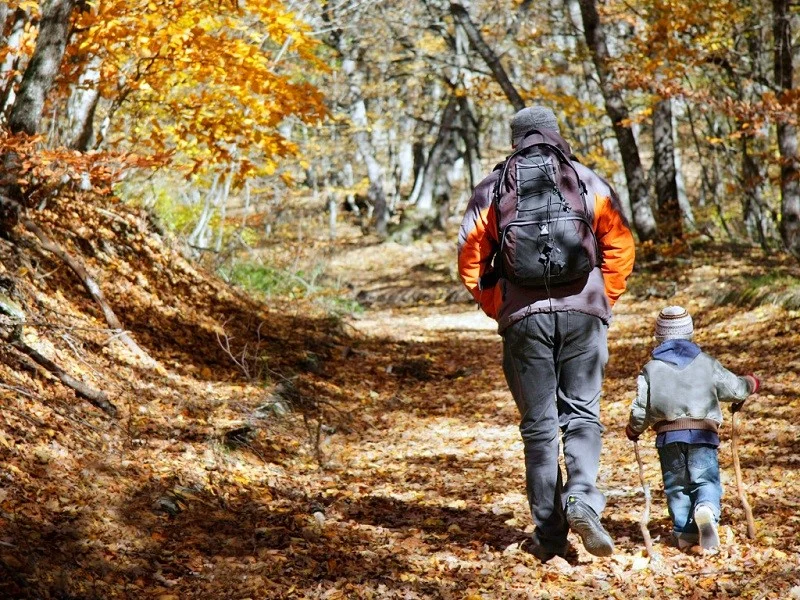
Choose water, clothing and a small manageable load. A charged phone with adult contacts is useful if the child knows how to use it, but coverage may be unavailable. Maps and compasses require teaching. Neither a button phone nor a touchscreen guarantees rescue by itself.
If you lose each other
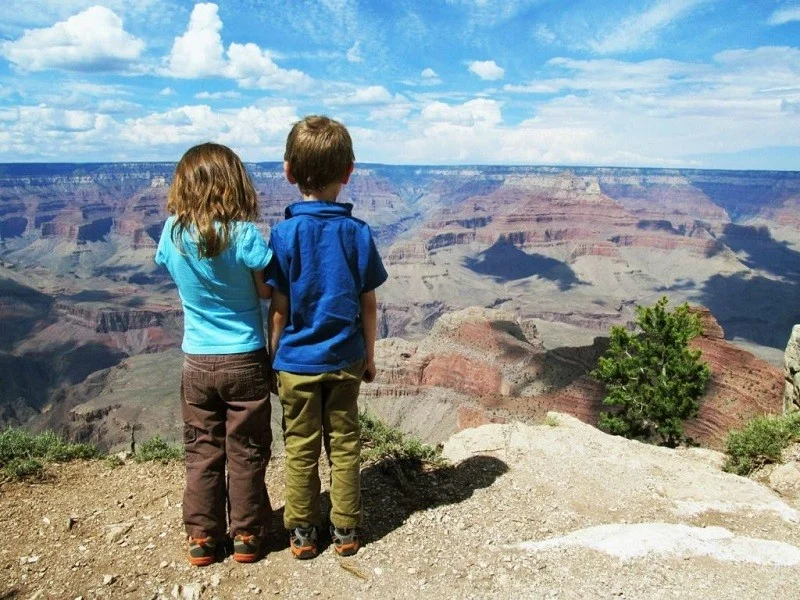
Practise a simple rule beforehand: stop, call and do not wander off to find the way. Adults need an agreed response; seek help promptly when a child is missing, reporting the location and circumstances. Do not leave the other children unsupervised during a search.
Rules should help
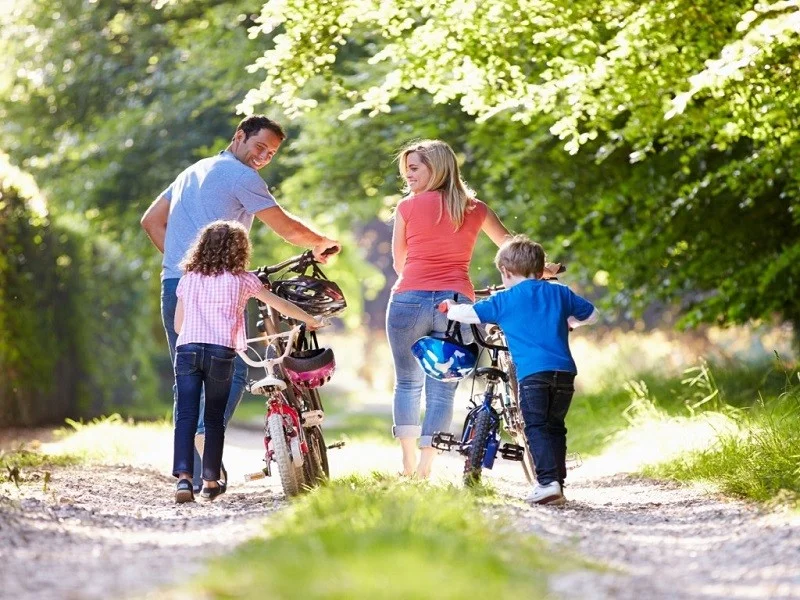
Allow safe nature exploration within clear boundaries. Do not combine responses to every insect and animal into one universal instruction. Following a dangerous encounter, an adult assesses the situation and arranges appropriate help. Breaks, play and calm explanations are more useful than making children afraid of the woods.