
Take a photograph to answer a question
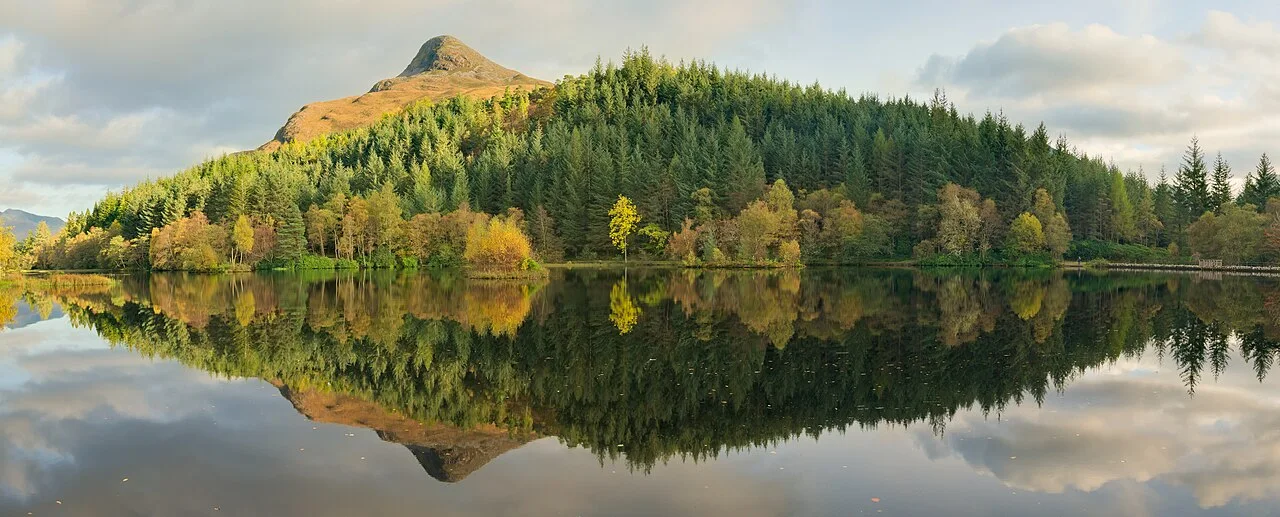
An attractive landscape draws attention but does not explain a place. Before taking a picture, consider what it answers: where the path starts, what the bank is like or whether steps reach the water. Several clear photographs are more useful than dozens of almost identical panoramas.
An overview helps people recognise the grounds. A detail shows the condition of a particular element: decking, a sign or the approach surface. Do not present a visible fragment as a description of the entire venue.
Caption the time and context
State what is visible and when it was photographed. An autumn image cannot establish summer water levels, nor a dry path its condition after rain. Label an illustration from elsewhere honestly; current photographs of your own are better for a specific venue listing.
Respect people and the site
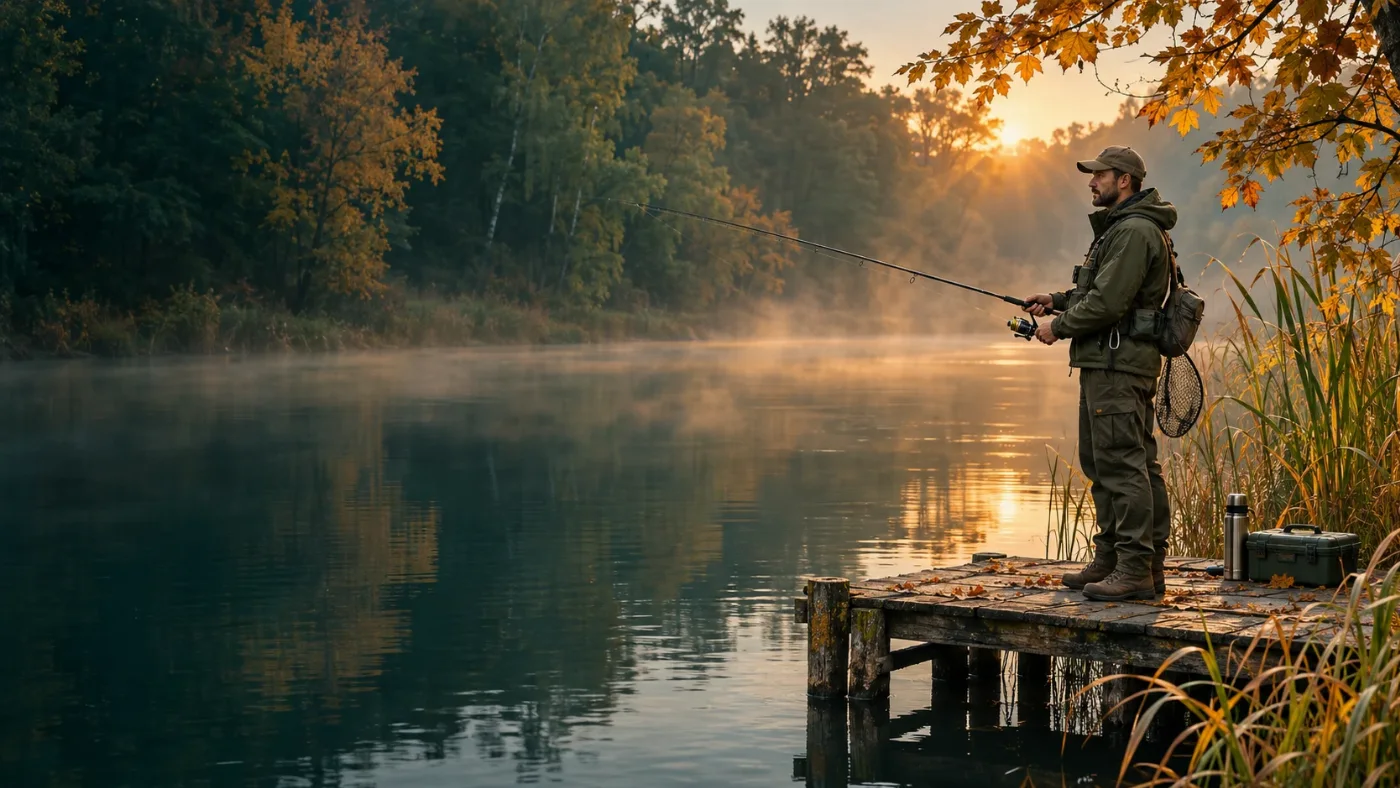
Do not publish documents, booking references, private conversations or close-up images of strangers without agreement. Ask the owner about photography rules inside a business. A picture is not worth crossing a fence, entering a closed pier or approaching a hazardous section.
Before uploading, check whether the file reveals exact coordinates of a private place or information you did not intend to share. Phone photographs can contain additional metadata. Upload only images you have permission to use.
Less manipulation, more clarity
Do not alter water colour, building condition or the apparent size of a site in misleading ways. Light straightening and a clear caption beat an excessive filter. Do not crop important warnings from information boards.
An overview, an approach image and an important detail can be enough. Photographs are optional: accurate descriptions and verified contacts are better than an arbitrary image belonging to someone else.