Planning comes before improvisation
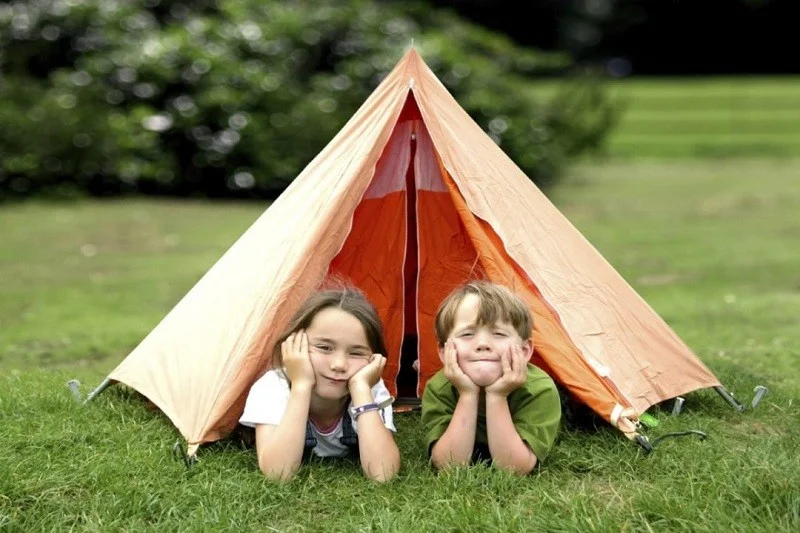
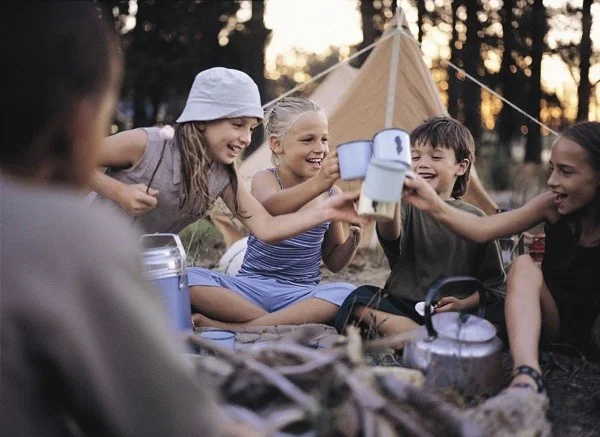
Choose a familiar, manageable route with an easy return for a first outing. Establish school-trip procedures, approvals and participants’ needs. Duration depends on age, preparation and conditions: two hours is not a universal rule. Check the forecast, access and communications and share the plan with those responsible.
Each child’s equipment
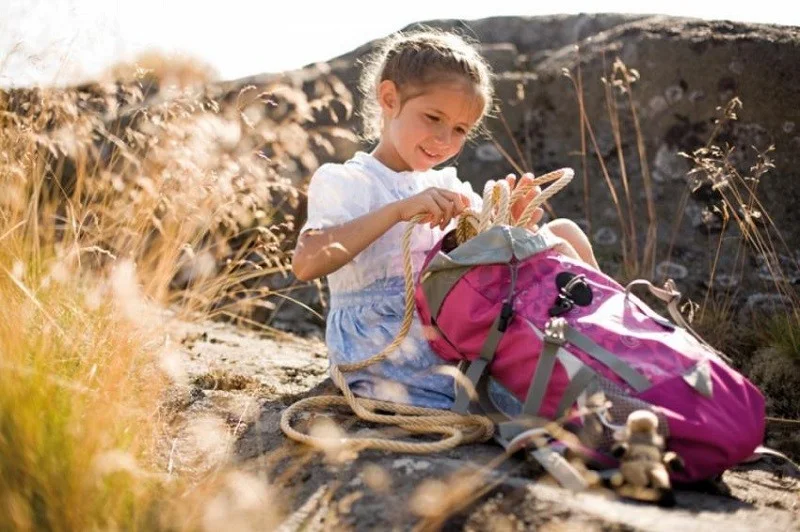
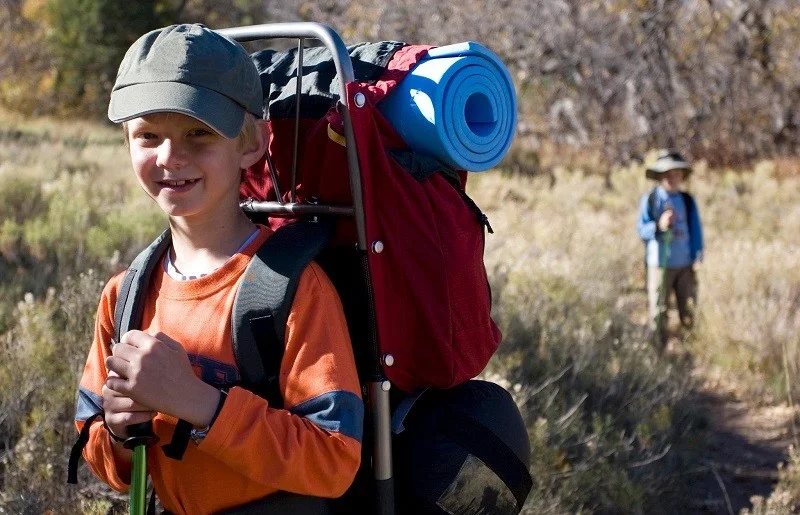
Suitable footwear, weather-appropriate clothing, dry spares and water are needed. Choose food for age and individual restrictions rather than as a reward for speed. An overnight stay requires separate preparation: suitable sleeping bags, pads and shelter checked before departure. An arbitrary warm jacket is not a sufficient kit.
Unambiguous supervision
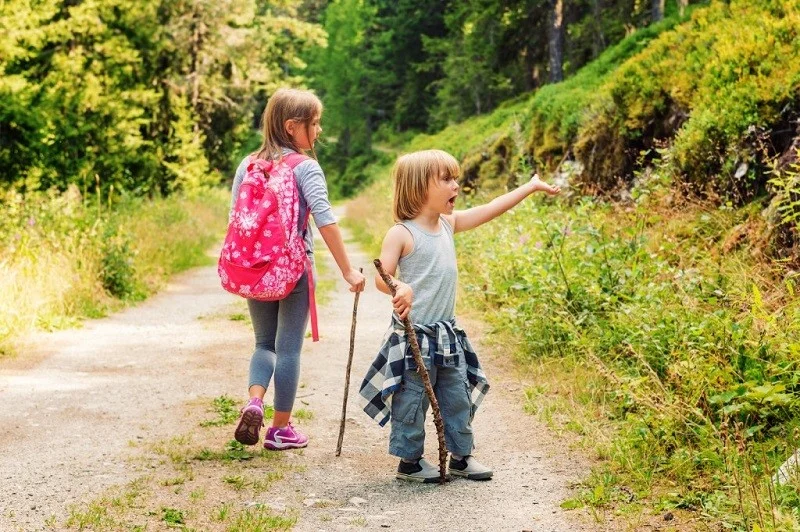
Allocate adult duties, walking order and headcounts. Children should know the outing’s boundaries and whom to approach. Explain beforehand that a child who loses the adults should stop and call rather than try to find the way alone. Increase supervision near water, roads and other hazards; a navigation device does not replace a responsible accompanying adult.
An interesting goal
Choose an accessible viewpoint, nature game or woodland exploration without collecting unknown berries or mushrooms. Do not promise risky climbing for excitement. Allow breaks and changes because of tiredness or weather. A good walk leaves children wanting to return rather than obliged to reach the finish at any cost.