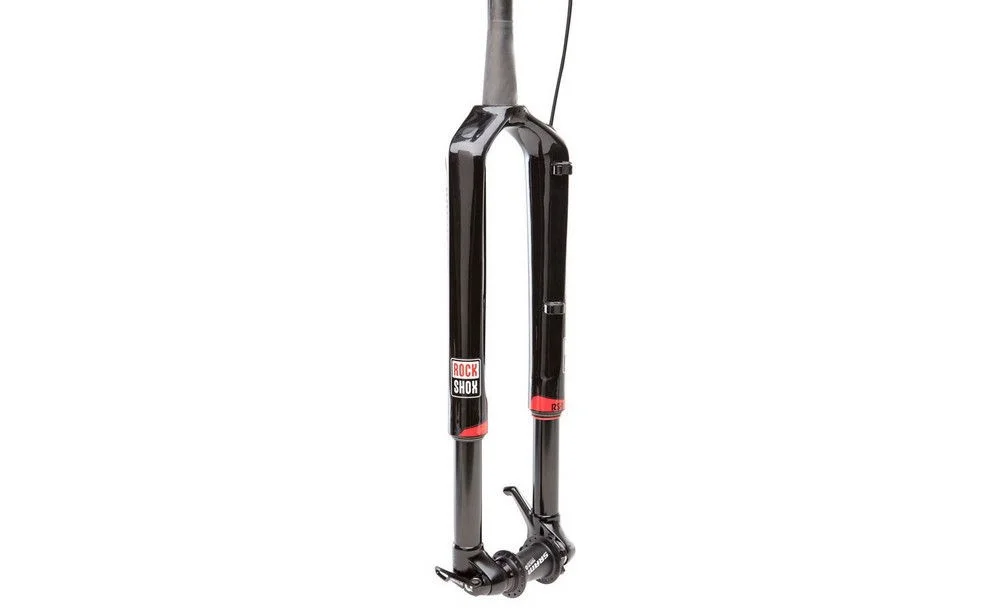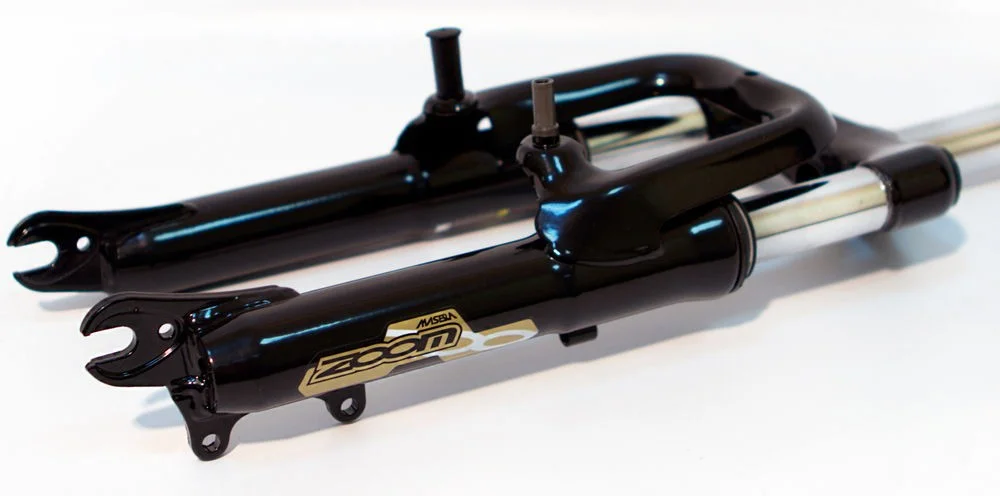
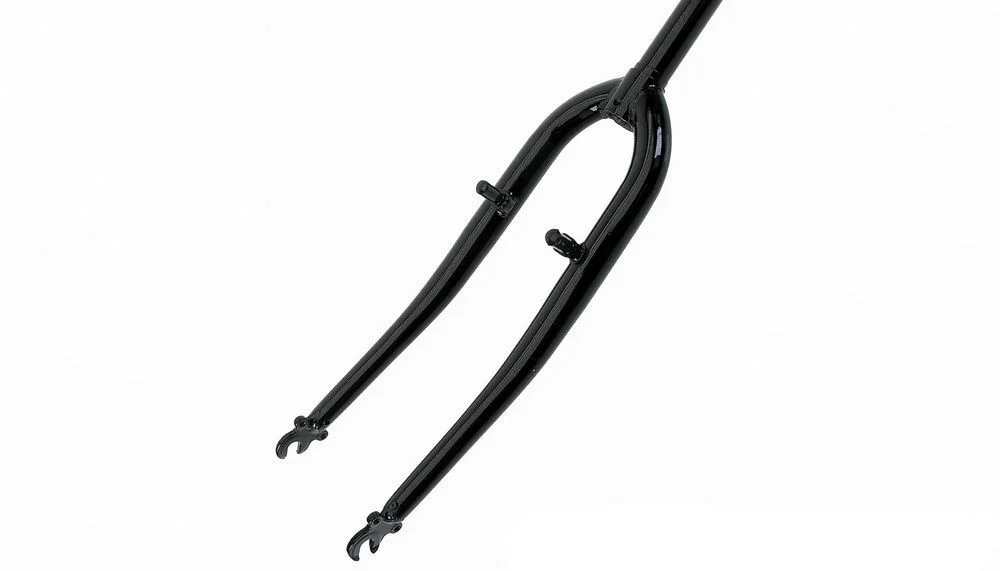
Rigid or suspension
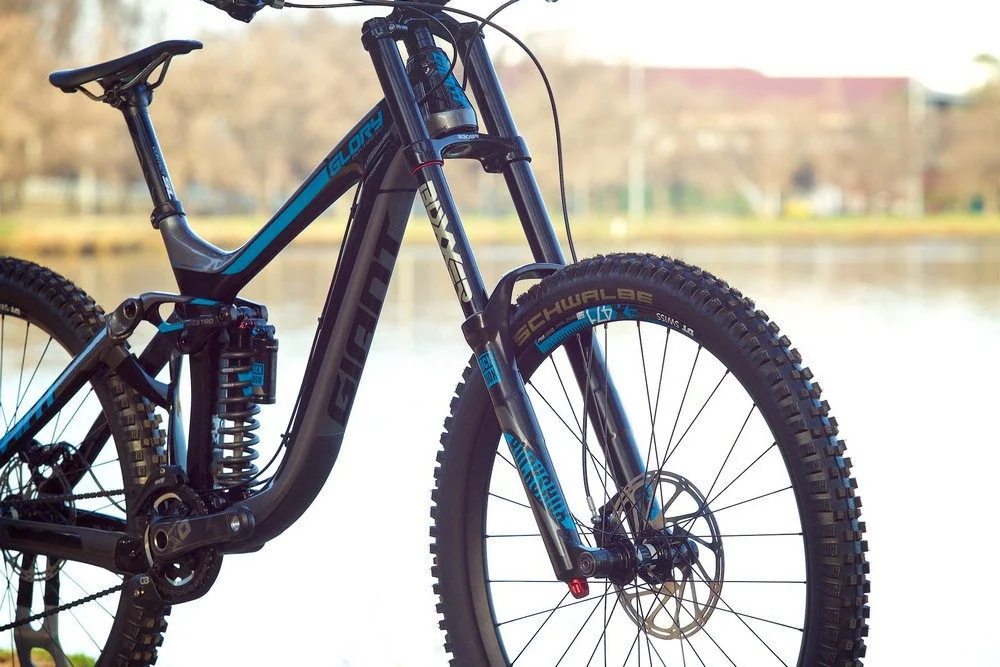
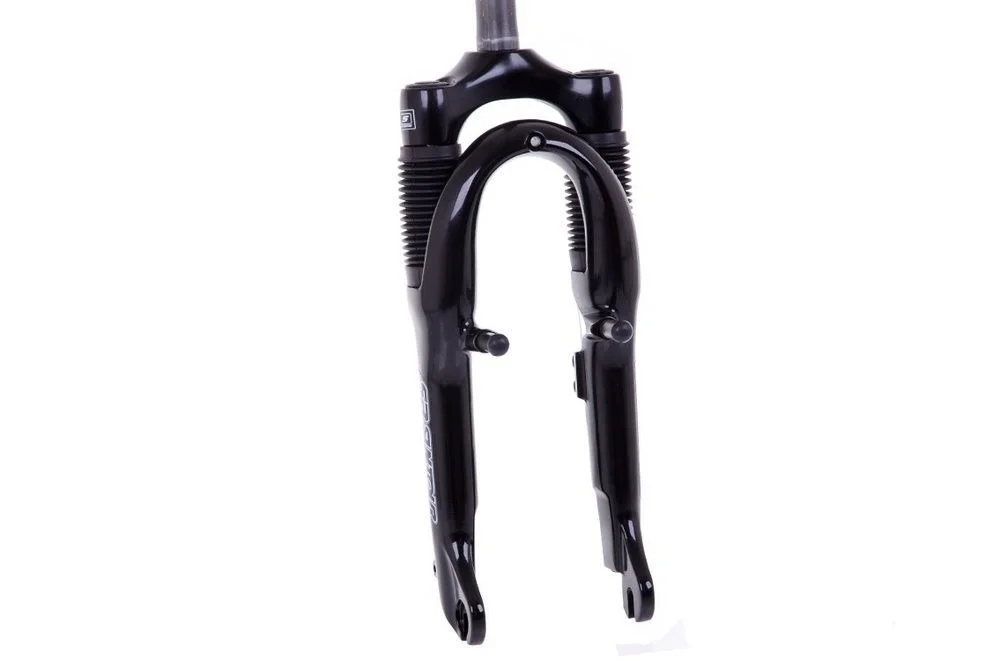
Rigid forks remain in use across disciplines rather than being a vanished technology. Choose suspension for frame purpose and riding rather than as a compulsory upgrade for every bike. Allow for weight, servicing and the bicycle manufacturer’s approval.
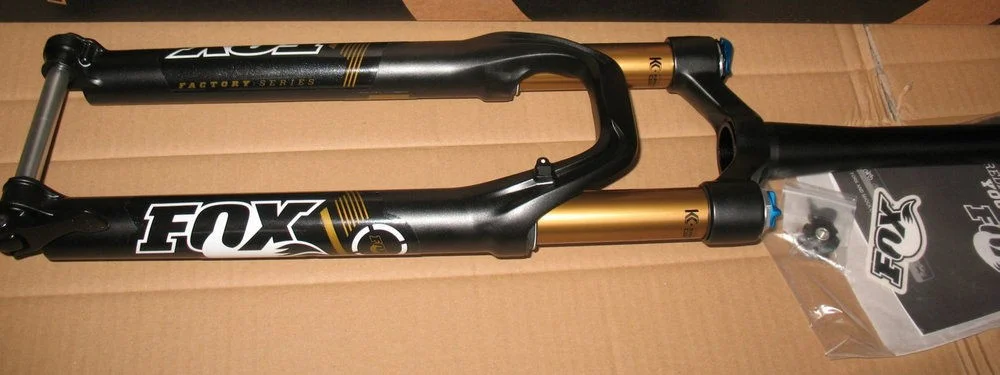
Different internal roles
The spring supports the load and the damper controls motion. Air or metal springs do not automatically mean professional or cheap. Oil damping and spring type are separate characteristics. Compare actual construction rather than promises of quality based on price.
Adjustments are not interchangeable
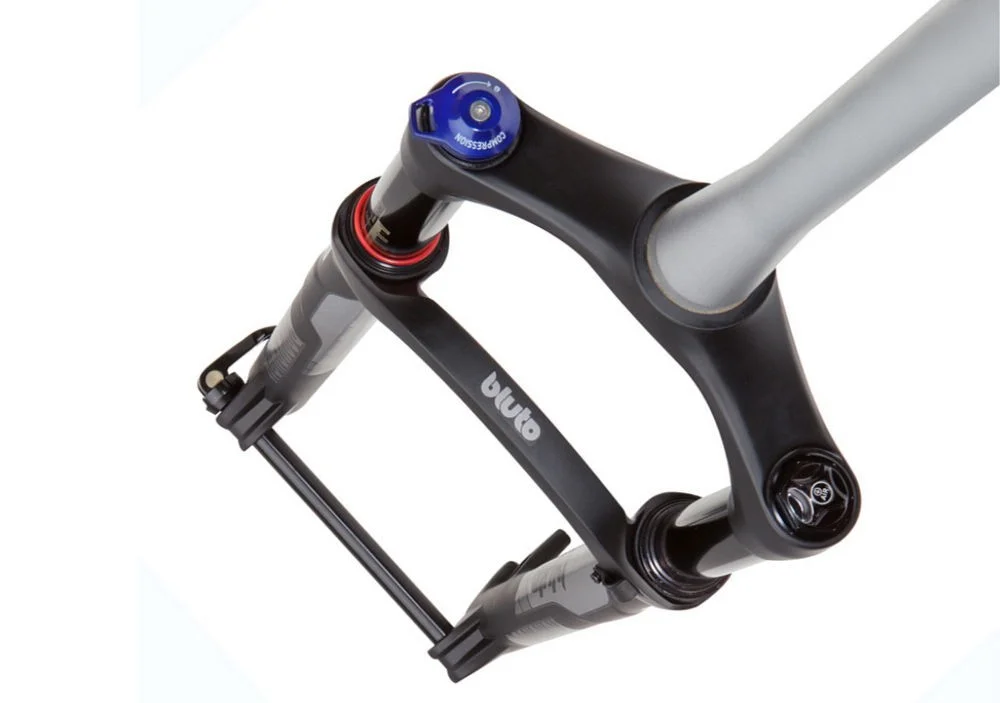
Preload, pressure, rebound, compression and lockout serve different purposes. Preload is not a general adjustment for all of them. Take initial settings from instructions for rider and equipment weight and test gradually. Do not use lockout contrary to its intended purpose.
Complete compatibility
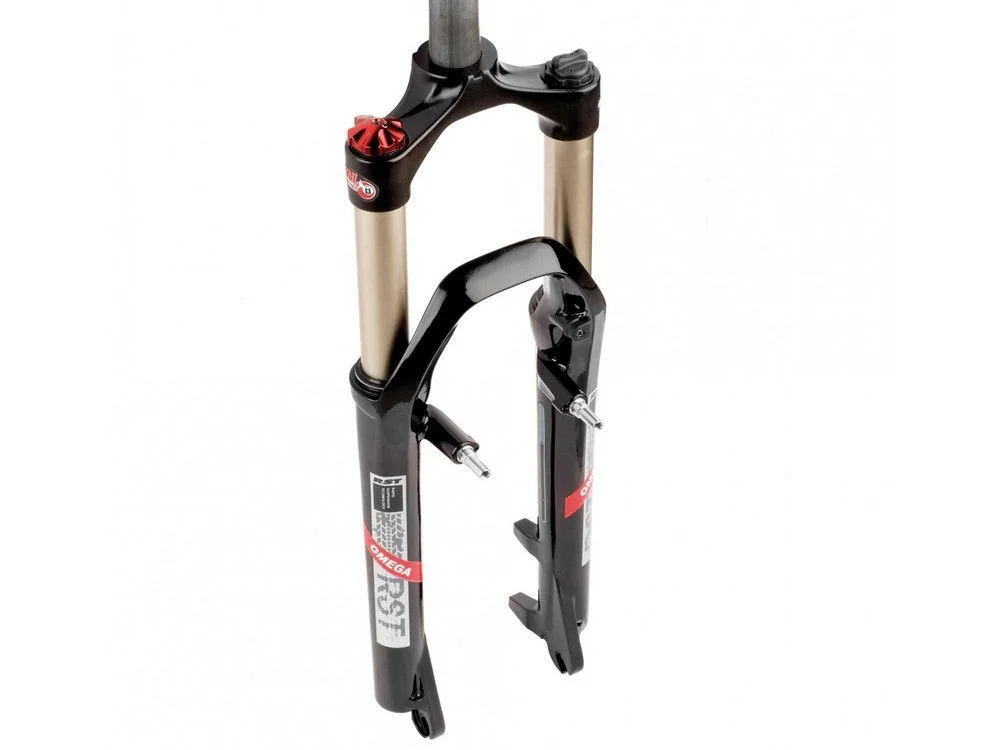
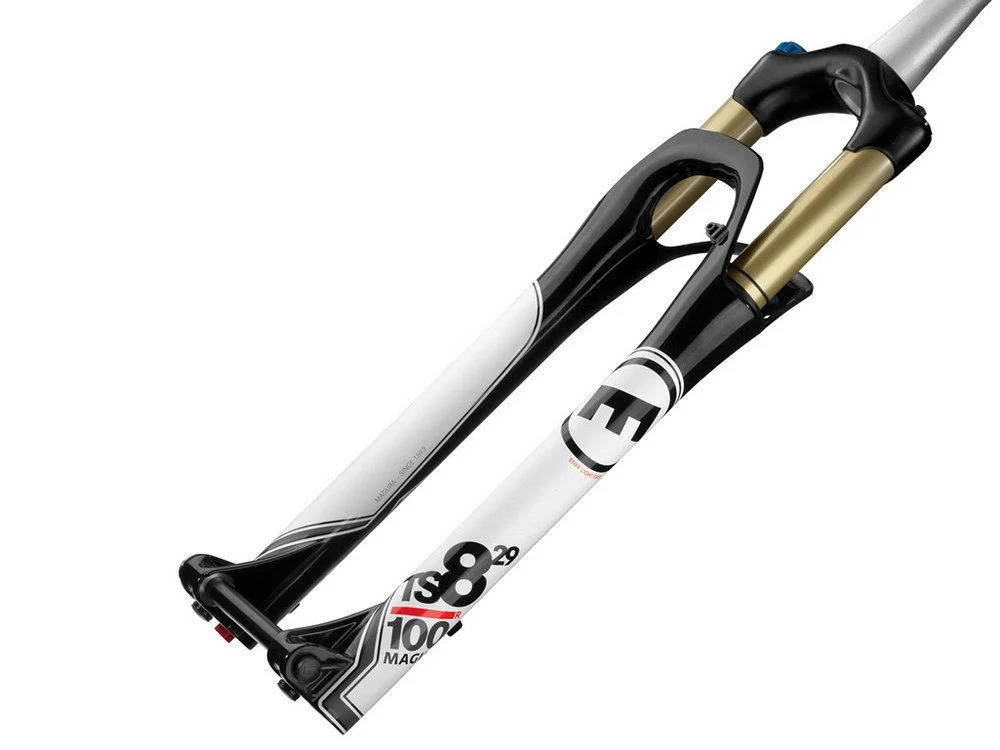
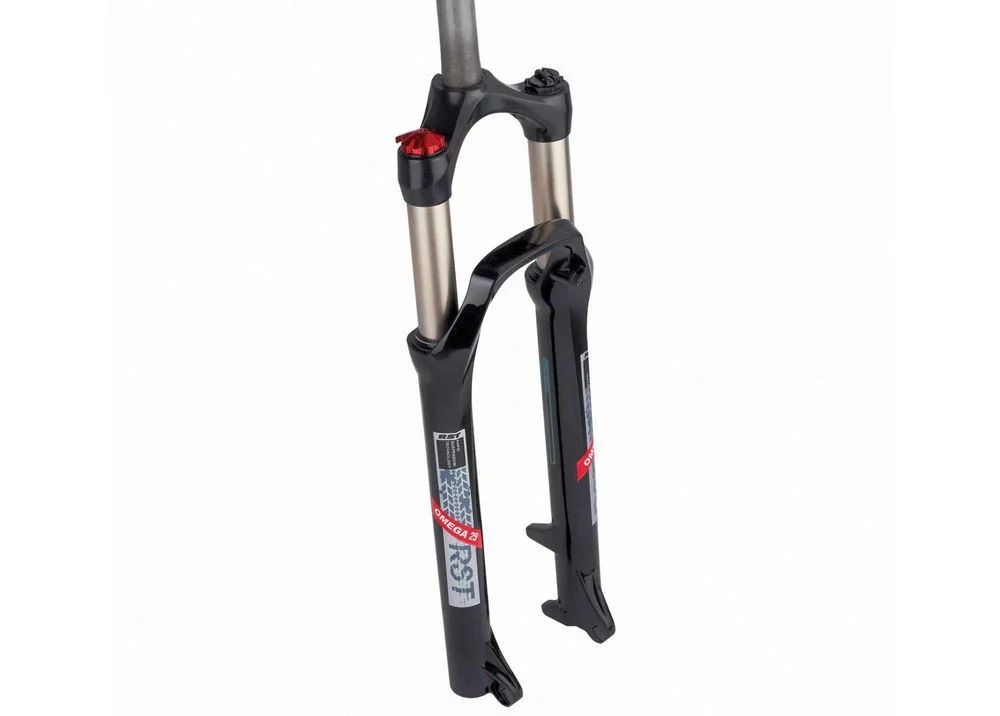
Check wheel size, axle and hub, brake mount, permitted rotor, steerer, headset, installation height and offset. Straight and tapered steerers differ. The old article contained incorrect diameter labels: do not select parts from them or force incompatible standards together.
Installation and servicing
Change travel and geometry only within permitted limits: excessive length can change handling and frame loads. Steerer cutting, pressing and tightening require documentation and suitable tools. Check used forks for damage and servicing history. Resolve faults, play or leakage before riding; a brand name cannot replace inspection.