
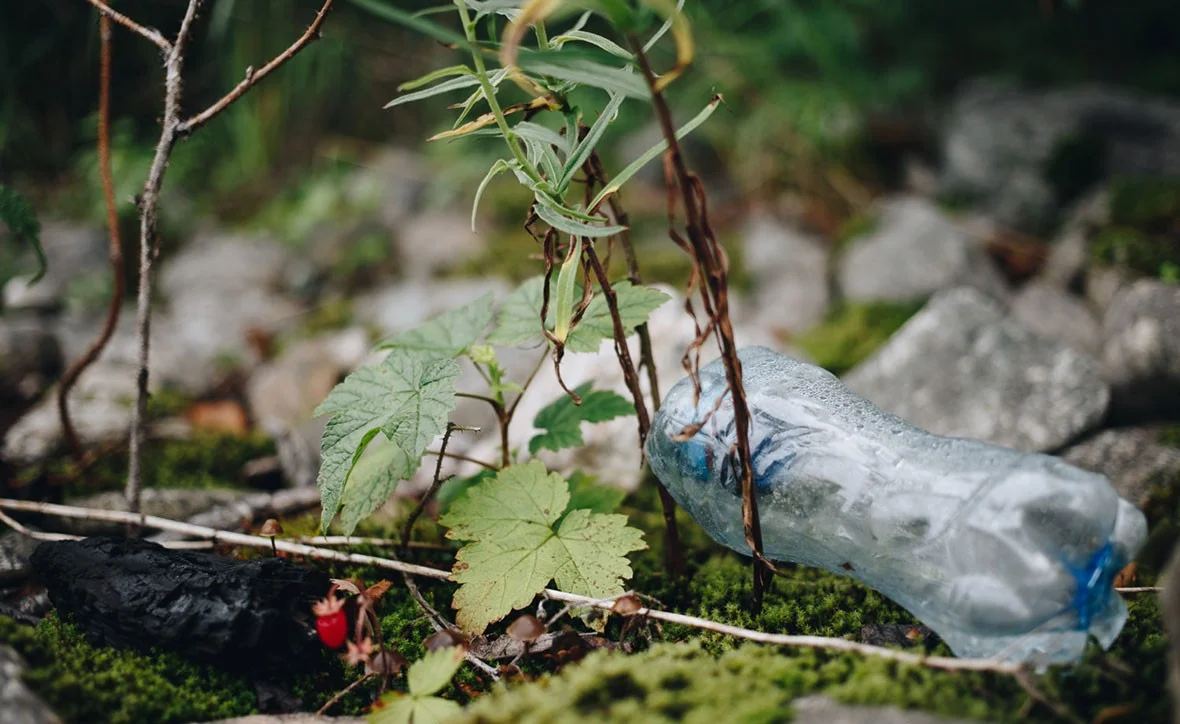
Planning starts before departure
In the archive article, the writer described reducing waste on solo and group trips by reconsidering menus and portioning. The useful principle is to consider not only food weight, but also the packaging left after every meal.
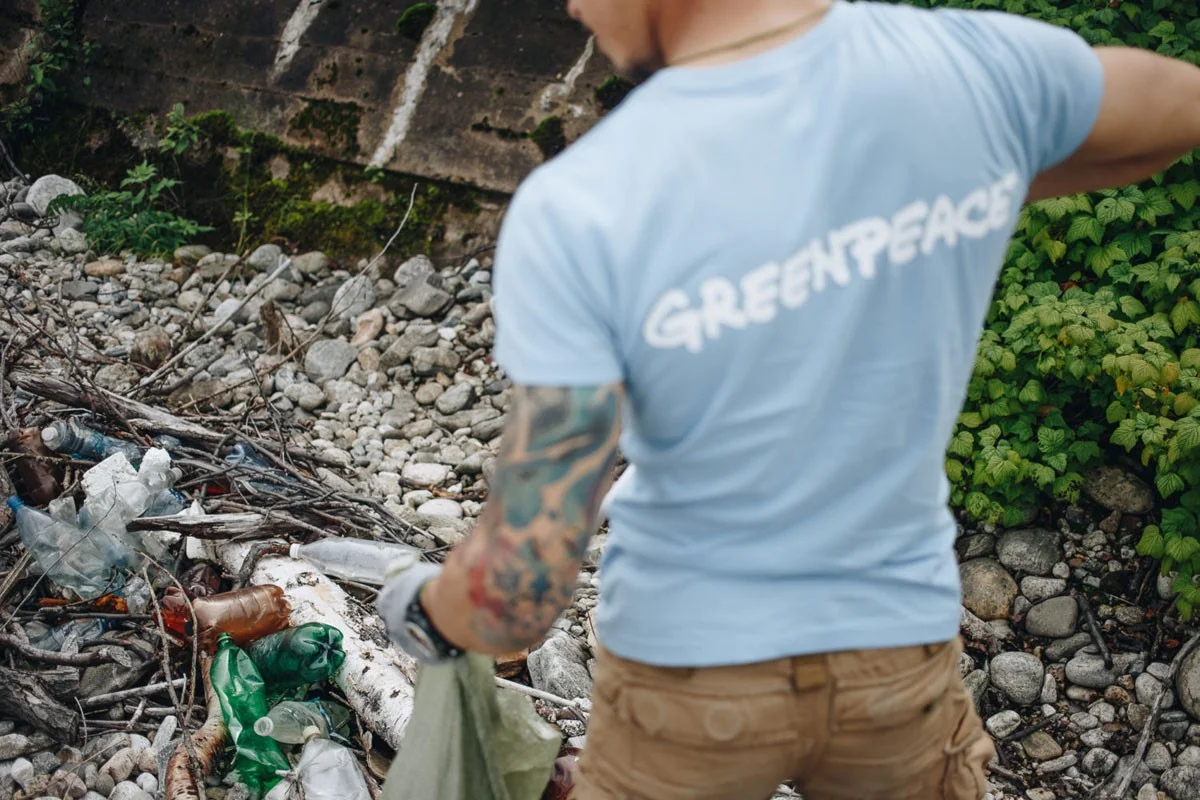
A completely waste-free route is not a prerequisite for good preparation. Begin with practical changes and provide a strong rubbish bag from the outset. Getting waste to a suitable disposal point matters more than labelling your equipment environmentally friendly.
Menus and fuel use
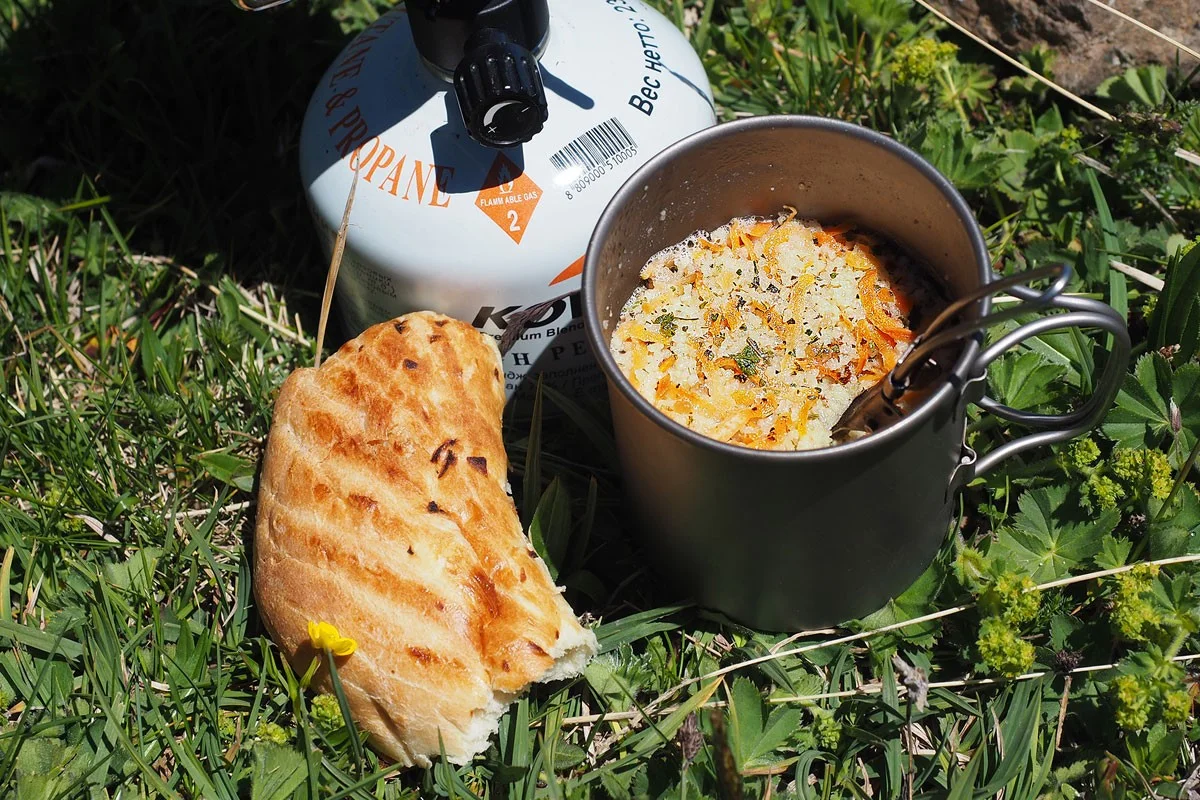
Compare foods by weight, shelf life, cooking convenience and the waste they produce. Tinned food can be convenient, but the empty tin must come home. Dried foods may reduce weight and packaging, without automatically being healthier than every canned alternative.
To save fuel, test your chosen menu’s cooking time. Quick-cooking options, suitable cookware and sensible portions can avoid unnecessary stove use. Do not sacrifice adequate food merely to minimise rubbish, or plan to refill disposable gas canisters yourself.
Portioning without extra layers
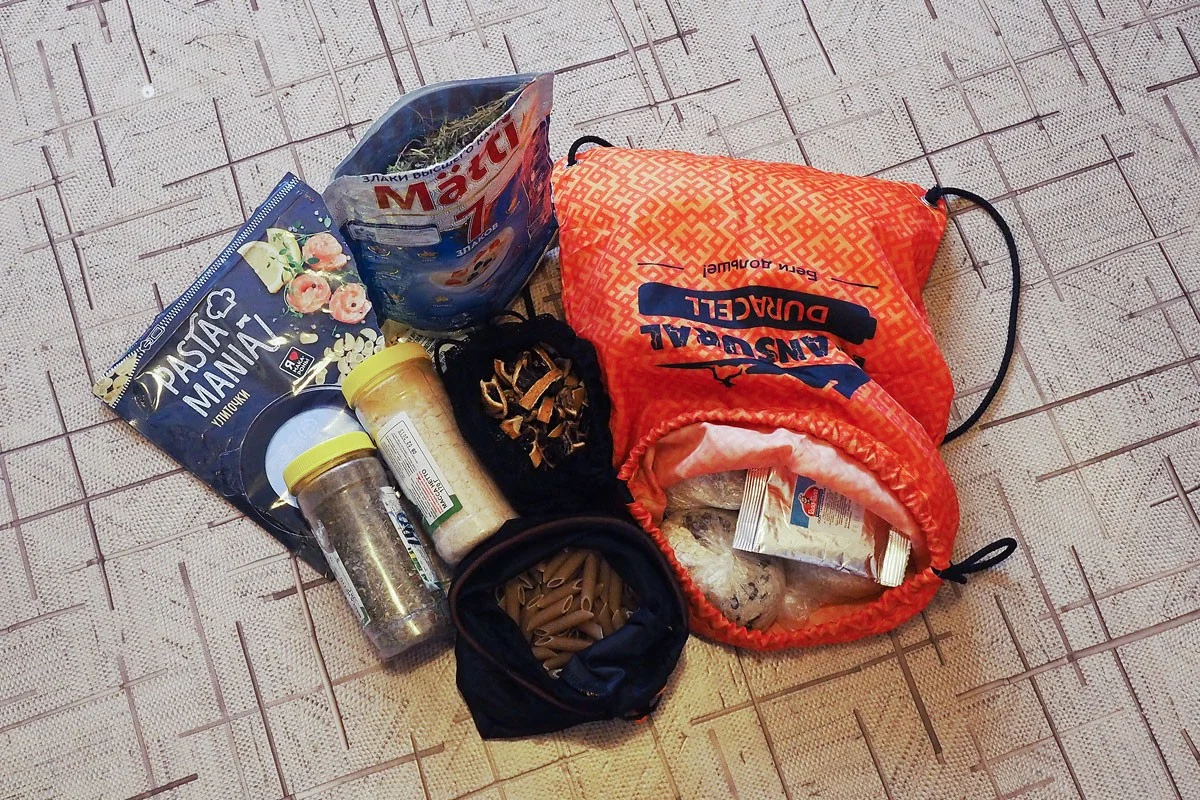
Prepare portions for a particular meal or day. Compatible dry ingredients can be combined, while items with different cooking times, seasonings and additions stay separate. Label contents and retain important allergen and storage information.
Reuse clean, undamaged containers intended for food and the relevant conditions. Not every spare bottle suits hot drinks or repeated use. Match capacity to contents; a fabric bag can protect packets, but does not make them leakproof.
Snacks, tea and shopping
Choose snacks that divide easily and survive carrying. There is no need to ban biscuits for everyone: a strong reusable container may solve the crumbling problem. Collect small wrappers too, keeping them from blowing away at rest stops.
Loose-leaf tea and a reusable filter may reduce disposable bags. Carry out all used tea bags and leaves; calling them organic does not permit dropping them on a trail. When buying loose goods, consider hygiene, storage and the actual suitability of your containers.
Reusable items that serve a purpose
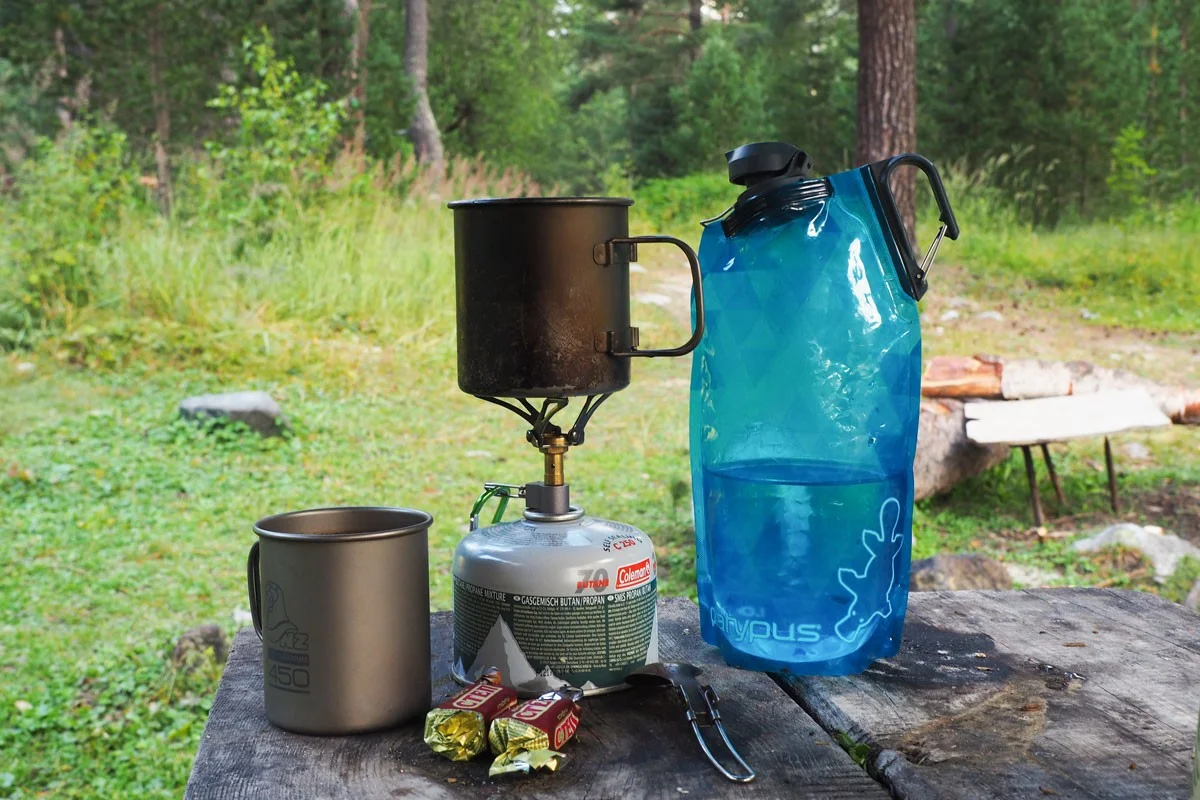
A water bottle, clothing bags and suitable containers can serve on many trips. Choose items you will actually use and inspect them afterwards. There is no obligation to buy a new set simply to replace everything you already own in working condition.
Batteries and rechargeable cells
Choose rechargeable cells according to device instructions: they are not interchangeable with every battery. Keep spent cells separate from ordinary rubbish and take them to a collection point that accepts them. Do not burn them or leave them at camp.
Hygiene and washing dishes
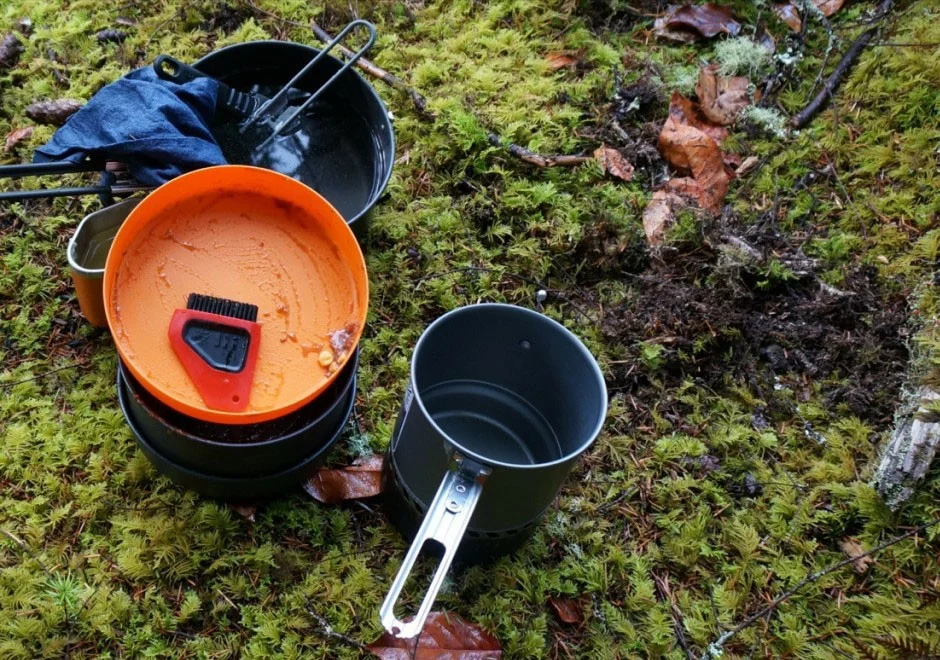
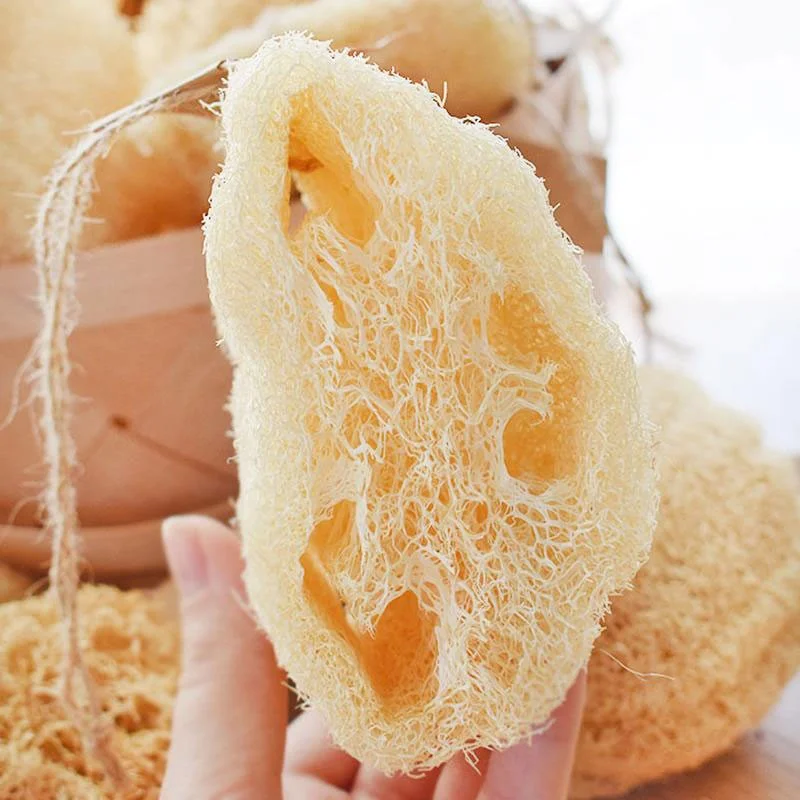
A brush or durable sponge can replace a disposable one if it suits the cookware and is easy to clean. Even a plant-based item should not be buried after the trip: take it home. Collect food scraps and do not wash dishes directly in a lake or stream.
Personal hygiene supplies
Choose familiar hygiene products with safe water and handwashing access in mind. A reusable option does not suit everyone and requires following its own instructions. Do not try an unfamiliar product for the first time on an unsupported trip solely to reduce waste.
Pack wipes, paper and used hygiene products separately and carry them to an authorised disposal point. A compact solid shampoo or small container of a familiar product may be convenient, but does not remove wastewater-handling rules.
Labels do not permit littering or burning
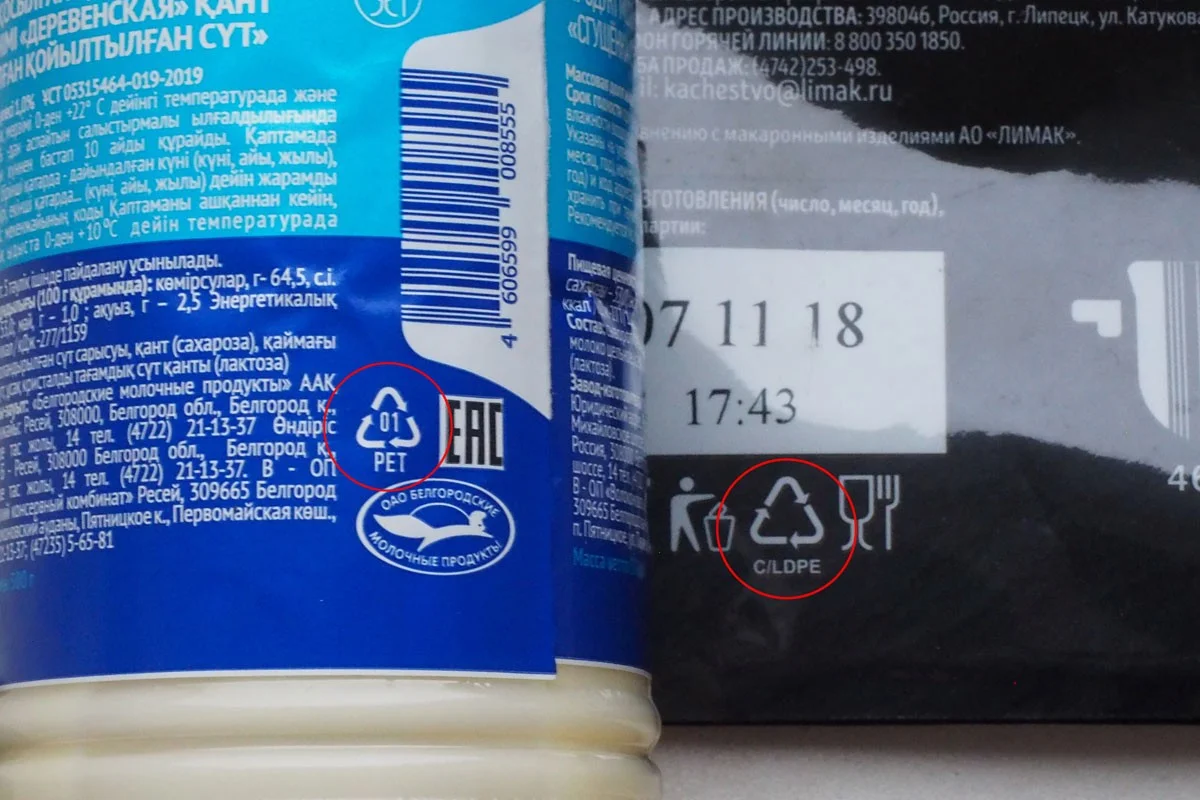
Numbers and letters on plastic help identify material, but do not guarantee acceptance at a particular recycling point. PET, PE and PP are not the same substance. Check local acceptance requirements, including packaging cleanliness and form.
“Biodegradable” does not mean an item can be thrown into woodland either. Decomposition may require specific conditions. There is no need to guess those conditions at camp: take all packaging away.
Do not burn rubbish in a campfire
A campfire is not a waste-treatment facility. Do not burn plastic bags, wipes, wrappers, cigarette ends or other packaging. A visible piece disappearing does not establish safe combustion; pollutants and sharp fragments may remain in the fire and ash.
Do not leave tins beneath rocks or bury food scraps. Reducing packaging at home and planning waste carrying is easier than choosing between two bad options on the route. The rubbish bag must leave with the group.
Before leaving camp
Check the cooking area, space beneath the tent and clothing pockets where small wrappers may remain. Separate sharp objects, batteries and anything needing specialist collection. In settlements, use the intended collection system rather than a random overflowing bin.
Back home, inspect reusable containers, wash them and dry them. Note which packaging was unnecessary and adjust the next food plan. Reducing waste then becomes a convenient habit rather than a one-off promise.