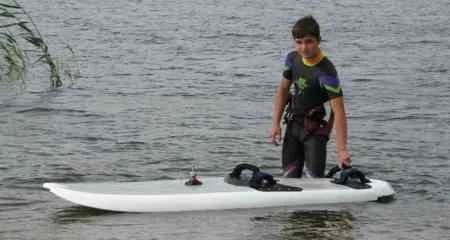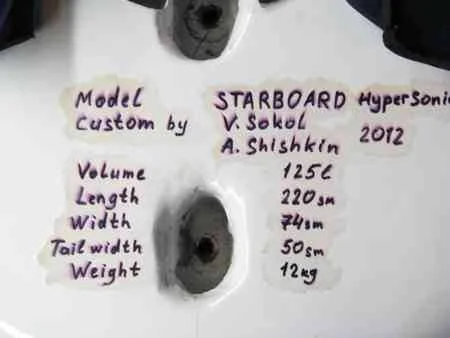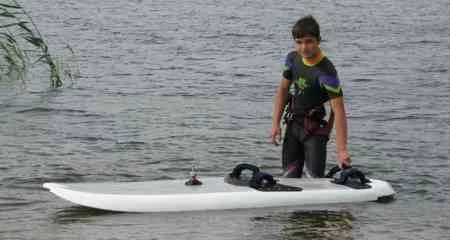
Windsurfing rather than a conventional SUP
Although the old headline referred to SUP, the described project has a mast attachment, fin and foot straps. It is an experimental windsurf board. What follows preserves the making-of story rather than a validated engineering design that could guarantee the strength and safety of a copy.
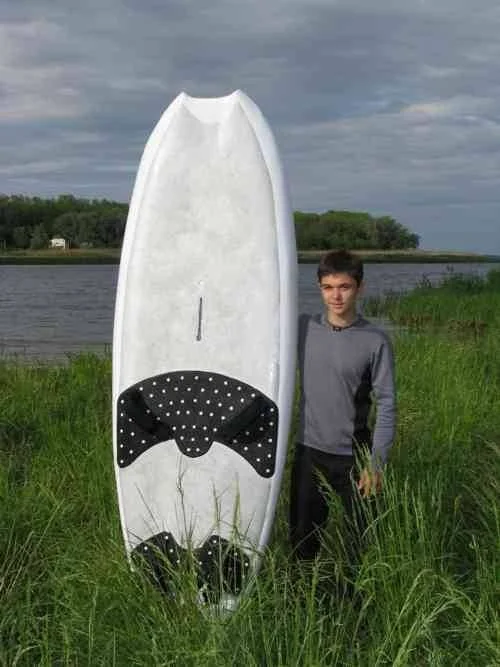
Concept and core
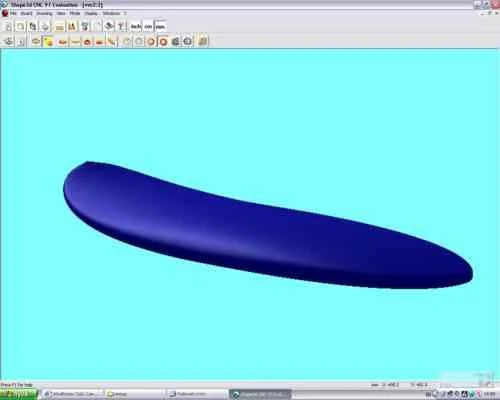
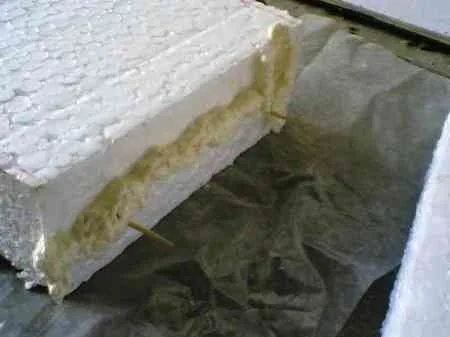
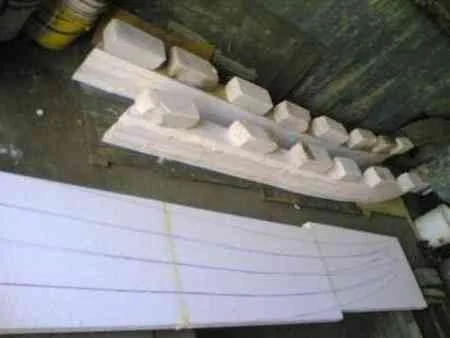
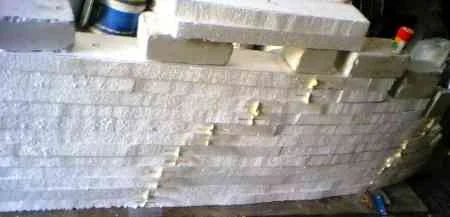
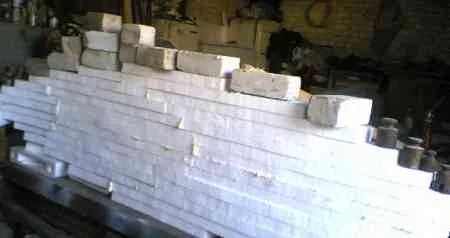
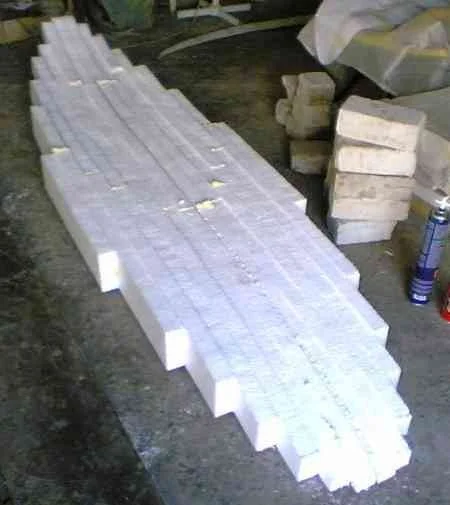
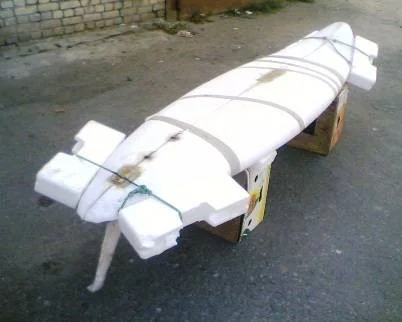
The author used an existing board as a reference and changed its shape. Photographs show templates, marking and bonding foam sheets. Geometry, volume and strength distribution need to be designed together: copying one outline or density from an old article cannot provide a complete structure.
Shaping the surface
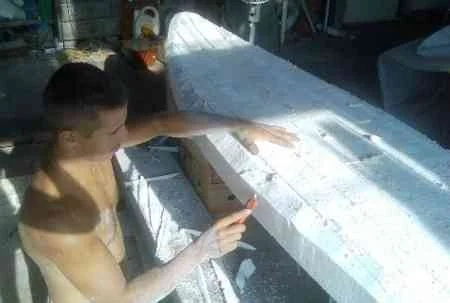
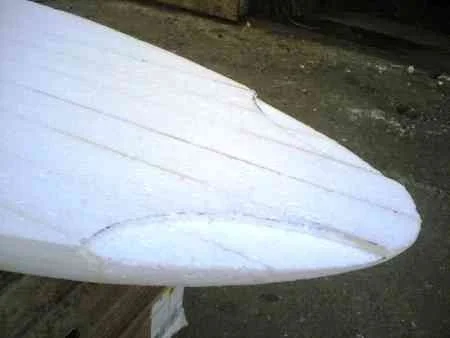
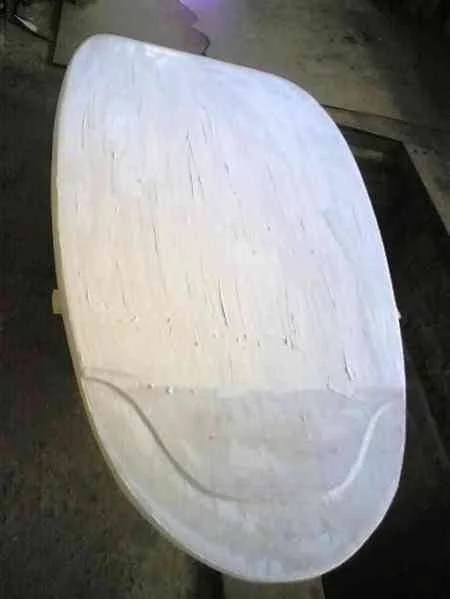
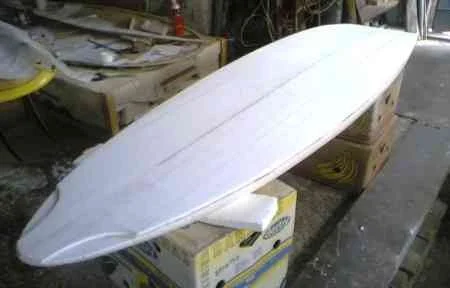
The blank was then given longitudinal and transverse form, including work on the bottom and tail. The step variations belong to this experiment rather than being mandatory for every board. A photograph cannot establish bond quality or material compatibility. Cutting and sanding require suitable tools, protection and dust removal.
Inserts and attachments
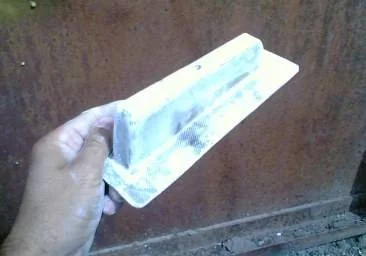
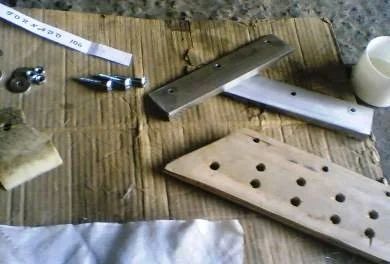
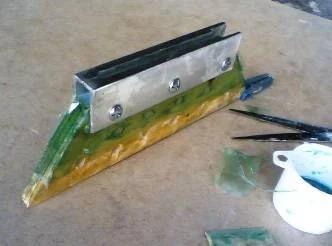
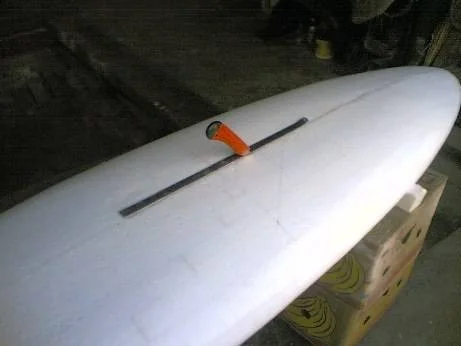
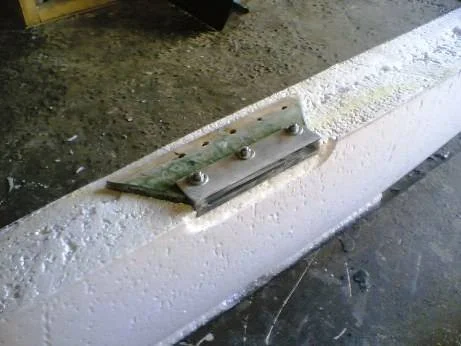
The fin box, mast track and foot-strap supports transmit significant loads. The archive shows homemade solutions; arbitrary dimensions, positions and pieces of plastic cannot be transferred to another design without calculation. Compatible manufactured components also need correct reinforcement and installation rather than merely a neat-looking bond.
Joining the halves
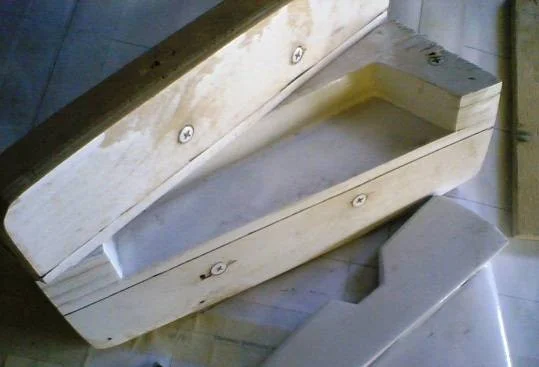
The author cut the core to install components and form longitudinal reinforcement. This describes the sequence of that work rather than a universal arrangement. Expanding foam, cloth and an arbitrary adhesive are not automatically interchangeable structural materials. Discuss joint assessment with a composites specialist.
Shell and resin
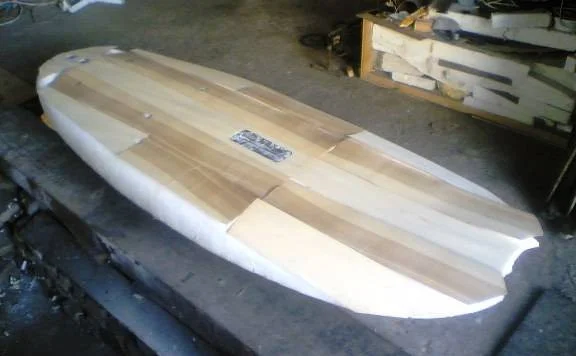
The pictures show veneer, glass cloth and laminating. The old text’s claim that every epoxy dissolves foam is incorrect as a general rule: check the actual systems’ compatibility and a test sample. Cotton cloth with PVA cannot guarantee a suitable barrier. Follow manufacturer documentation for proportions, curing and protective equipment; avoid resin contact and dust exposure.
Finishing
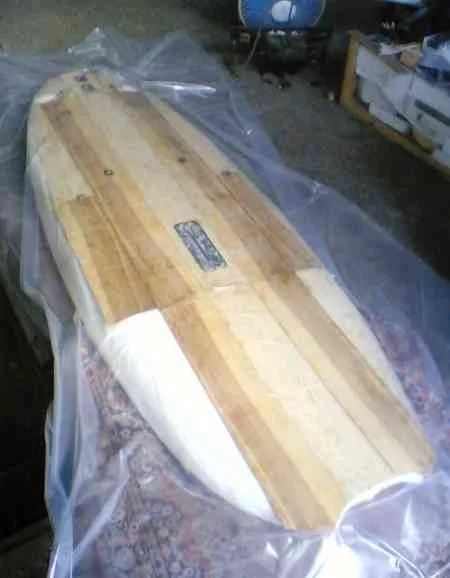
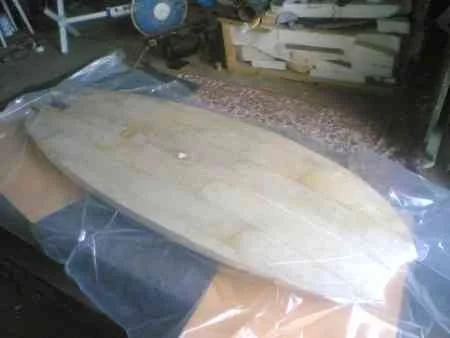
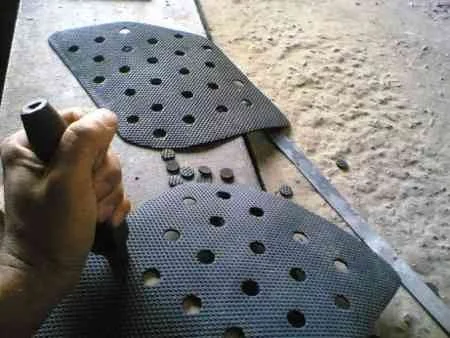
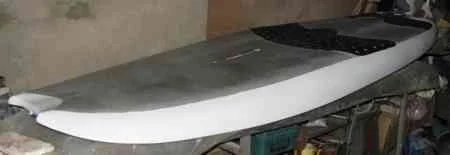
The author encountered incompatible paint layers and a surface uncomfortable for bare feet. This is more useful than an advertising promise of perfection. Choose compatible coatings and check adhesion and watertightness; an improvised vacuum setup and paint cannot replace quality control.
What the experience showed
The old account describes outings and notes excess weight and some shape drawbacks. These are personal observations without independent confirmation of calculated strength. Using a homemade product requires professional assessment and controlled checks near shore rather than a solo open-sea outing. Rescue equipment and preparation remain essential parts of planning.