
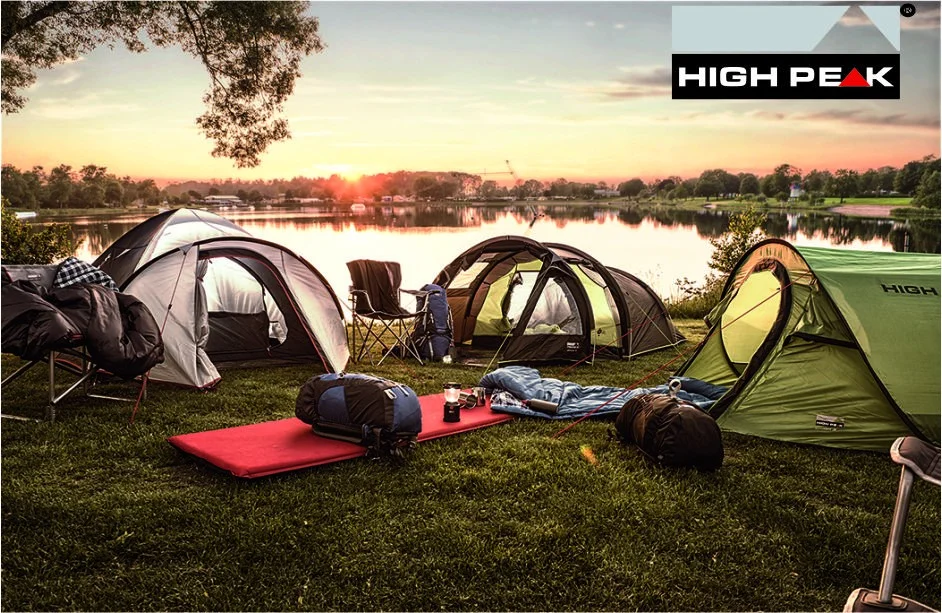
Keep the first trip simple
You do not need to travel far to introduce children to a tent. Pitch it at home or in the garden first, lay out sleeping mats and rehearse ordinary evening tasks: changing clothes, finding a torch and getting into a sleeping bag. This trial reveals practical difficulties before the actual trip.
For a first overnight stay, consider a site near road access and established toilets, with the option of leaving early. Ask your child what they would like to see and leave some time unscheduled. A short, enjoyable trip is more useful than an ambitious itinerary everybody struggles through.
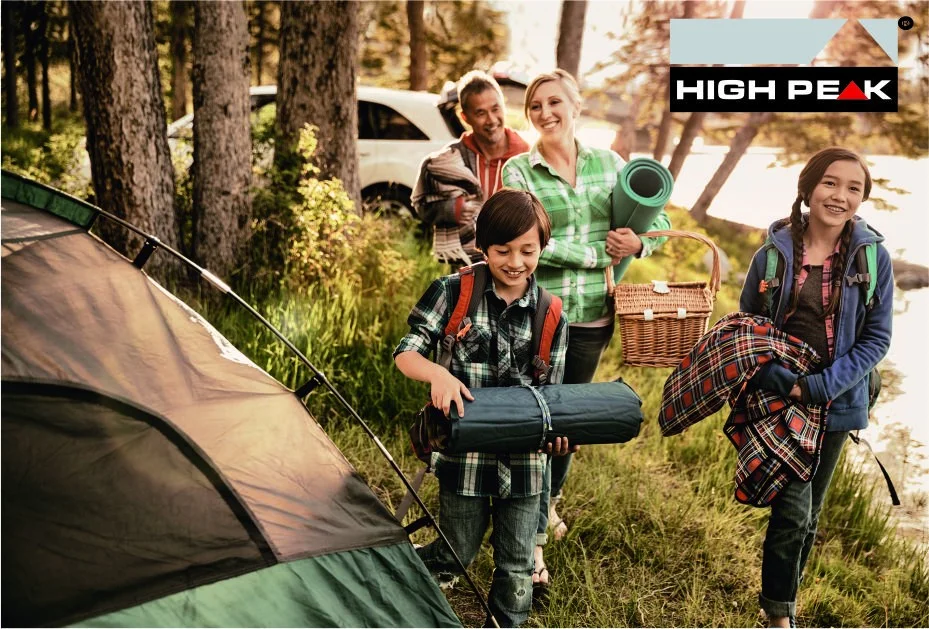
Pack separate, recognisable kits
Make a list together: weather-appropriate clothing, a dry spare outfit, a hat, a torch, familiar hygiene supplies and a small favourite item. Children can pack their own bag, but an adult should check essential items before departure. Different-coloured bags help everyone find things quickly.
An adult should oversee documents, medicines, the first-aid kit and communication arrangements. Plan meals, a supply of safe drinking water and any usual dietary restrictions. Do not assume a tired child will happily eat every unfamiliar dish.
Avoid surprises at bedtime
Lay the mats out at home and check the actual sleeping space: a tent’s stated capacity does not tell you how much room will remain for belongings. Choose rain protection and ventilation for the expected conditions. A separate children’s tent does not remove the need for adult supervision and will not suit every family.
Both a sleeping bag and insulation from the ground matter. Check the intended use and temperature guidance for the particular model; adult ratings cannot automatically guarantee a child’s comfort. Prepare dry sleepwear and an accessible torch, and show children the route to the toilet before dark.
Clear boundaries and adult responsibilities
On arrival, walk around the site together: identify your tent, the road, toilets, water and cooking area. Agree where children may go and when they must call an adult. If lost, they should stop and give the agreed signal; a whistle is not a substitute for supervision.
Near water, appoint a specific adult to watch children rather than assuming everybody is watching. Keep younger children and weak swimmers very close. For a boat or kayak, use a properly fitted lifejacket; inflatable toys do not perform that role.
Cooking, fire and keeping things organised
Set up the kitchen outside the tent on a stable surface away from children’s games. Do not use a stove inside a tent, even to boil water quickly. Check fire restrictions before travelling and explain them to children; an adult should light fires and handle fuel.
Give each item a home: cooking utensils in one box, torches in another and wet clothing separate from sleeping gear. Simple age-appropriate jobs help children participate: laying out mats, collecting their belongings or checking for litter. Do not send them to collect water alone or work beside the fire.
Activities without chasing a packed itinerary
Watch birds, find familiar leaves, draw a map of camp or organise a short object hunt near the pitch. Bring bicycles if suitable paths and supervision are available. Prepare a quiet activity for rainy weather beneath safe shelter.
Do not feed wildlife or leave food uncovered, and follow the site’s food-storage rules. Before leaving, collect litter together and note what to change next time. A successful family camping trip makes everyone want to go again, rather than merely ticking every activity off a list.