Start with the time you actually have
Count travel, collecting equipment, changing clothes and getting home as well as the activity itself. For a short day off, a familiar park or waterside walk may work better than a complicated journey with several connections. Do not make relaxation an obligation to fit everything in.
Separate interest from preparation
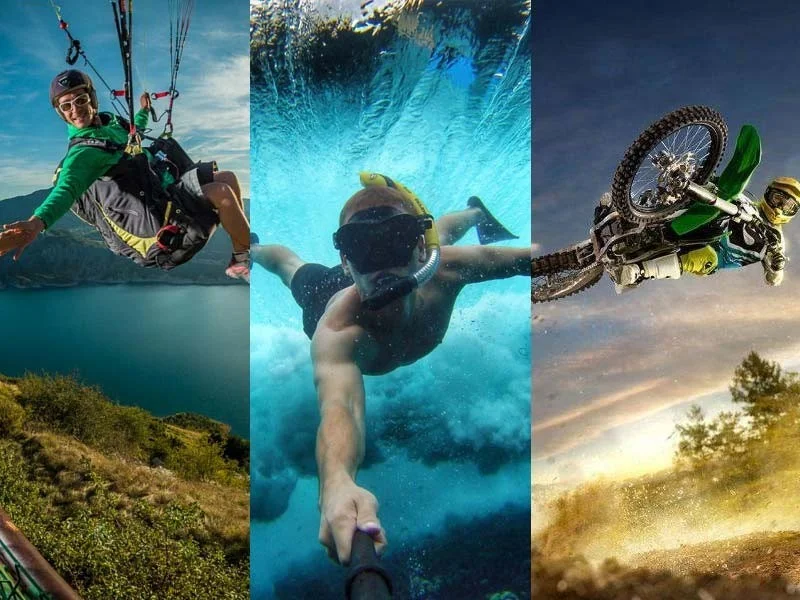
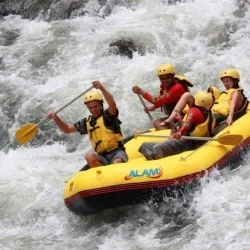
An attractive photograph of a flight or rafting trip can suggest an interest, but does not show that you are ready to repeat it independently. For an unfamiliar activity, ask what training is needed and who delivers the introduction. Joining an instructor and planning an independent route are different arrangements, even when the photographs look similar.

Discuss expectations with your group
Ask beforehand whether everyone is comfortable with the duration, effort and type of outing. People should be able to decline a difficult part without pressure from the group. For a family walk, a clear return point and an alternative nearby are particularly useful.
Check conditions and arrangements
Ask the organiser about participant requirements, equipment provided, cancellation terms and what happens when conditions are unsuitable. For an independent walk or cycle ride, choose a familiar route within your ability and check access. An archive photograph does not mean an activity is currently available or permitted in your area.

Review your own experience afterwards
Note what you enjoyed, where you felt uncomfortable and how long preparation took. Next time, change one factor: duration, route or the level of supervision. There is no need to assign yourself a permanent “element”: leisure can change with experience, the season and the people joining you.