Record the starting specifications
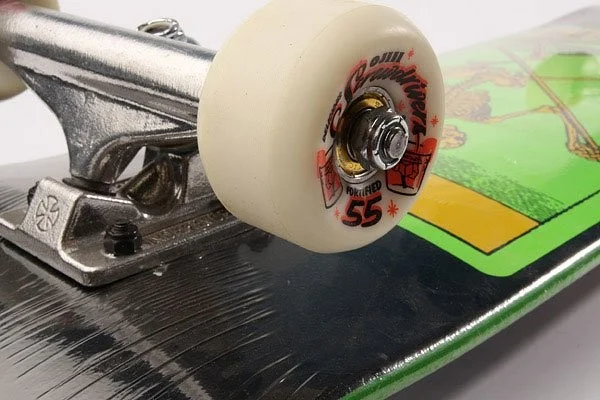
Save the board and truck models, existing wheel markings and bearing information. Read the manufacturer's documentation or show the setup to a technician. If a previous owner changed components, do not assume the present combination is the original or automatically suitable.
Understand the markings
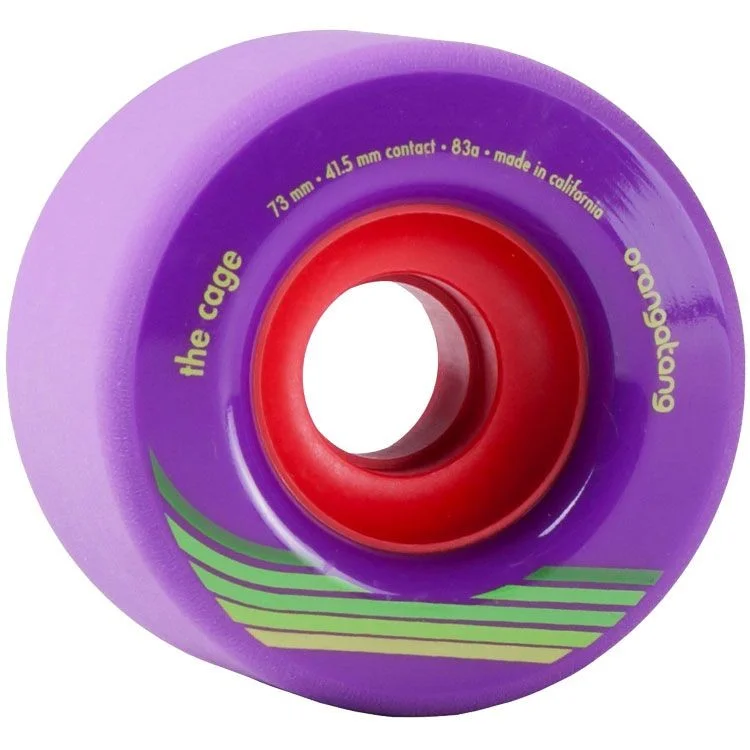
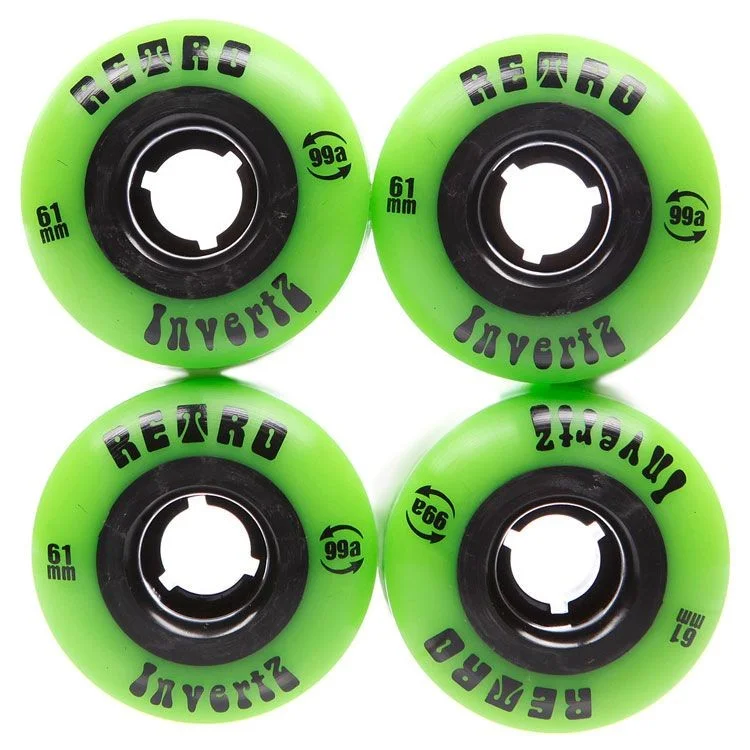
Diameter describes the outside size of the wheel, usually in millimetres. Hardness is a separate measurement, not an overall quality score. Numbers from different scales cannot be treated as equivalent. Establish the particular model’s markings, then consider them alongside the surface and manufacturer recommendations.
Check compatibility before buying
Confirm the wheel, bearing and truck combination with the manufacturer or a competent supplier. A size change may require reassessing clearances and setup behaviour. Do not test a doubtful assembly on a fast descent or modify components by eye to fit an unsuitable wheel.
Inspect condition and plan maintenance
Cracks, deformation, uneven wear or damaged fittings call for finding the cause, not merely buying more expensive wheels. After replacement, follow the setup's instructions and consult a service provider if unsure. The sensible objective is a serviceable board for your route, not a promise of equally good riding on every surface.