
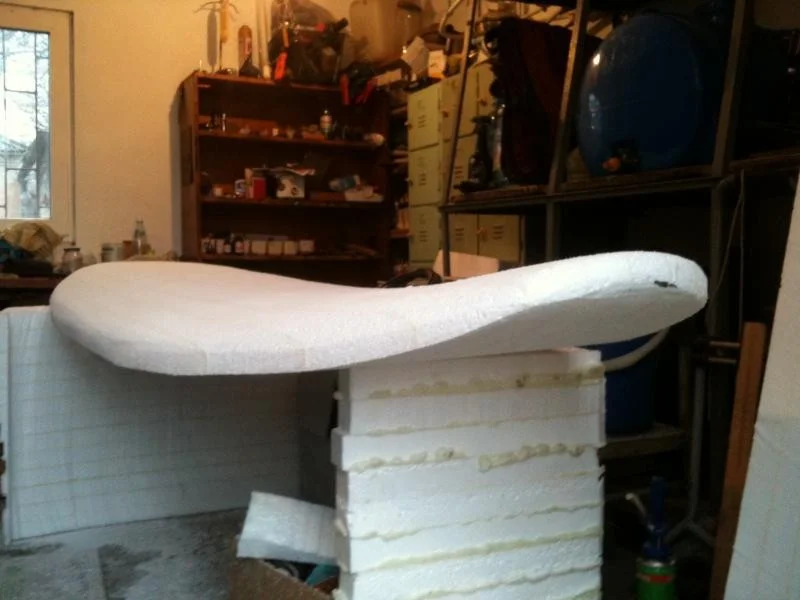
Do not start with an arbitrary materials list
The old text proposed plywood, battens, foam and any waterproof glue, but that list is not a verified design. A craft needs coordinated dimensions, load, flotation and strength assessment and appropriate joint construction. Parts from different drawings cannot be mixed arbitrarily.
Hull and sealing
Mast, centreboard and fin positions affect handling. Choose materials, reinforcement and fittings for the specific design. Clipped nails and a random coating do not establish safety. Follow material instructions, ventilation and protection requirements when handling resins and dust. The finished item needs specialist inspection.
Mast, boom and sail
These components must have compatible dimensions and load limits. Saying a joint is obvious to make is insufficient for a critical fitting. Windproof fabric does not automatically become a suitable sail. For learning, sound equipment designed by its manufacturer to work together is more practical.
Testing and the first outing
A homemade board should not become your only means of returning from open water. Begin with controlled design checks, then a test plan with trained support and assistance available. Instruction, suitable flotation, weather, waterway rules and a shore without dangerous obstacles remain necessary. Saving money does not justify skipping checks on load-bearing components.