
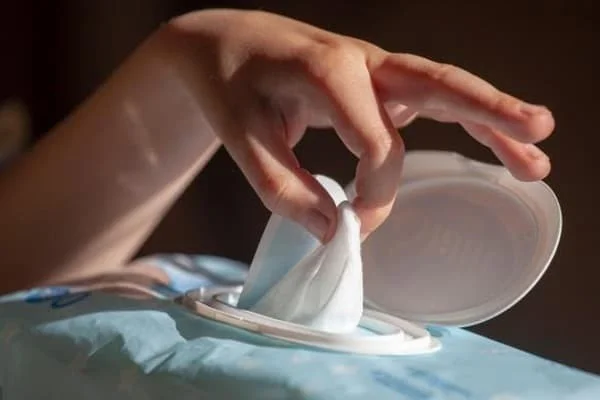
Convenience needs a disposal plan
Wet wipes can help you freshen up on a journey or remove dirt when normal facilities are unavailable. A convenient little packet does not, however, solve the waste problem. If you take wipes fishing or hiking, plan somewhere to store used ones immediately.
There is no need either to reject every wipe or treat them as compulsory for every trip. Choose supplies for the trip’s duration, water access and your own habits. Know in advance what you are using and where the waste will go.
The fabric and liquid are different parts of the product
The base may contain wood pulp, rayon, cotton, synthetic fibres or a mixture. “Nonwoven” describes a manufacturing method and does not reveal the composition by itself. It is incorrect to claim every wipe is made entirely of plastic or entirely of paper.
The liquid formulation also depends on intended use. Read the particular product’s ingredients and directions rather than a generic list of supposedly essential chemicals. A claim about a natural ingredient does not describe the entire wipe’s material or disposal method.

Choose for the intended purpose
Surface-cleaning wipes are not designed for skin. Cosmetic cleansing and disinfection are different tasks: an ordinary wet wipe does not become a disinfectant because it feels refreshing. Follow the packaging instructions.
If a product causes irritation, stop using it and seek medical advice when needed. Do not extend information about one ingredient or product to all wipes, or conclude that harm is inevitable for everyone. A familiar product is a more sensible choice for your usual care routine.
Why wipes must not stay at camp
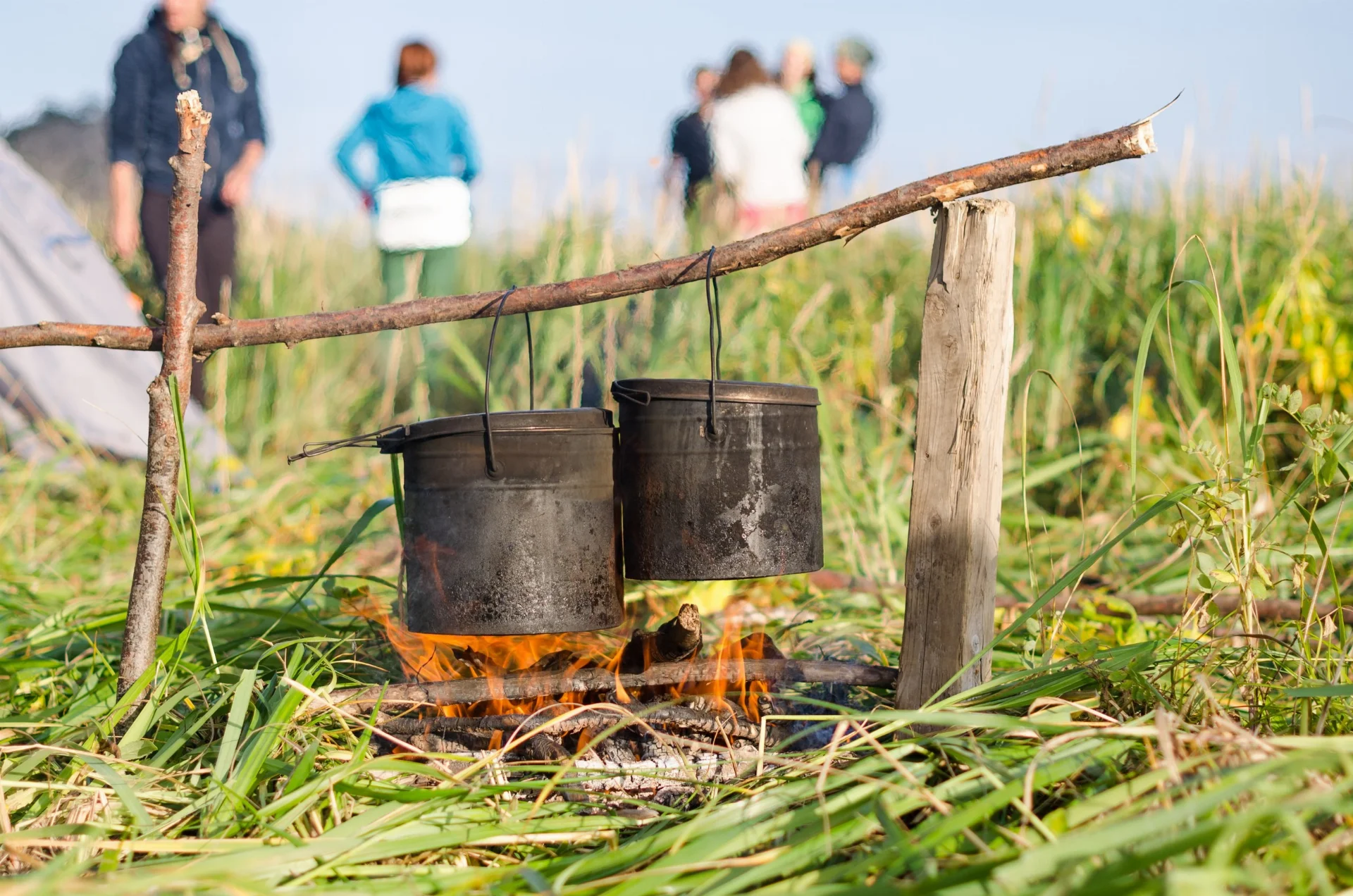
Even a wipe that looks like paper should not be left in grass, beneath a stone or in a toilet hole. Decomposition conditions vary, and a packaging claim does not turn woodland into a disposal facility. A universal lifetime of decades or centuries explains little without specifying the material and environment.
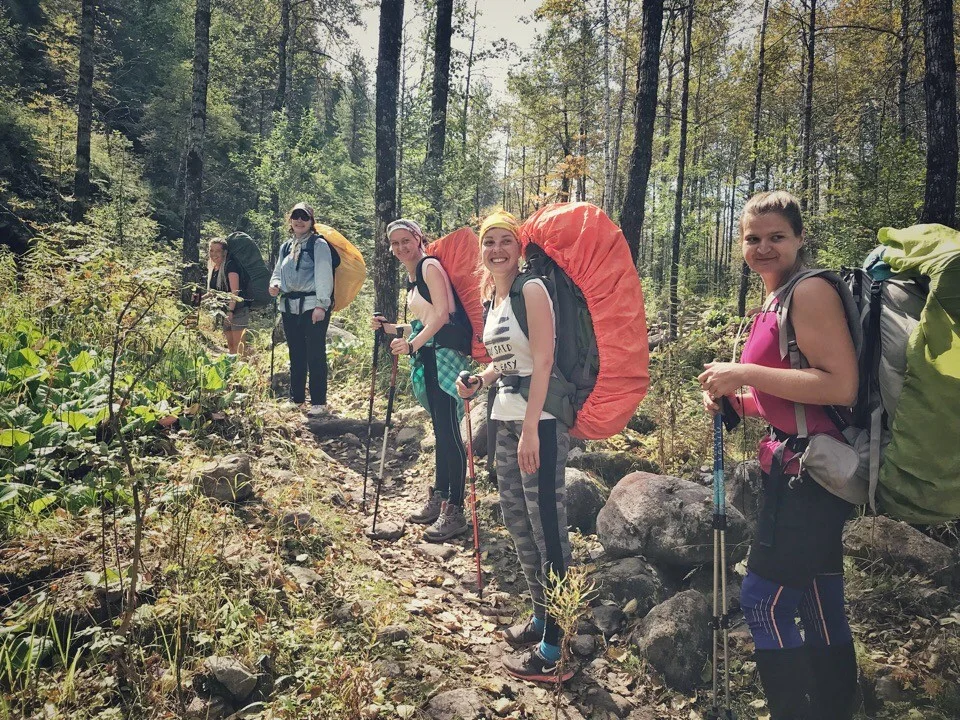
Collect used wipes and packaging and carry them off the route. Do not burn them in a campfire or leave a bag for the next group. For a multiday trip, plan waste capacity beforehand just as you plan food supplies.
What about moist toilet tissue?
The name “moist toilet tissue” does not guarantee compatibility with every drainage system. Follow the campsite sanitation operator’s rules; the cautious option for wipes is the designated bin rather than the toilet. Ordinary paper and moist products behave differently in water.
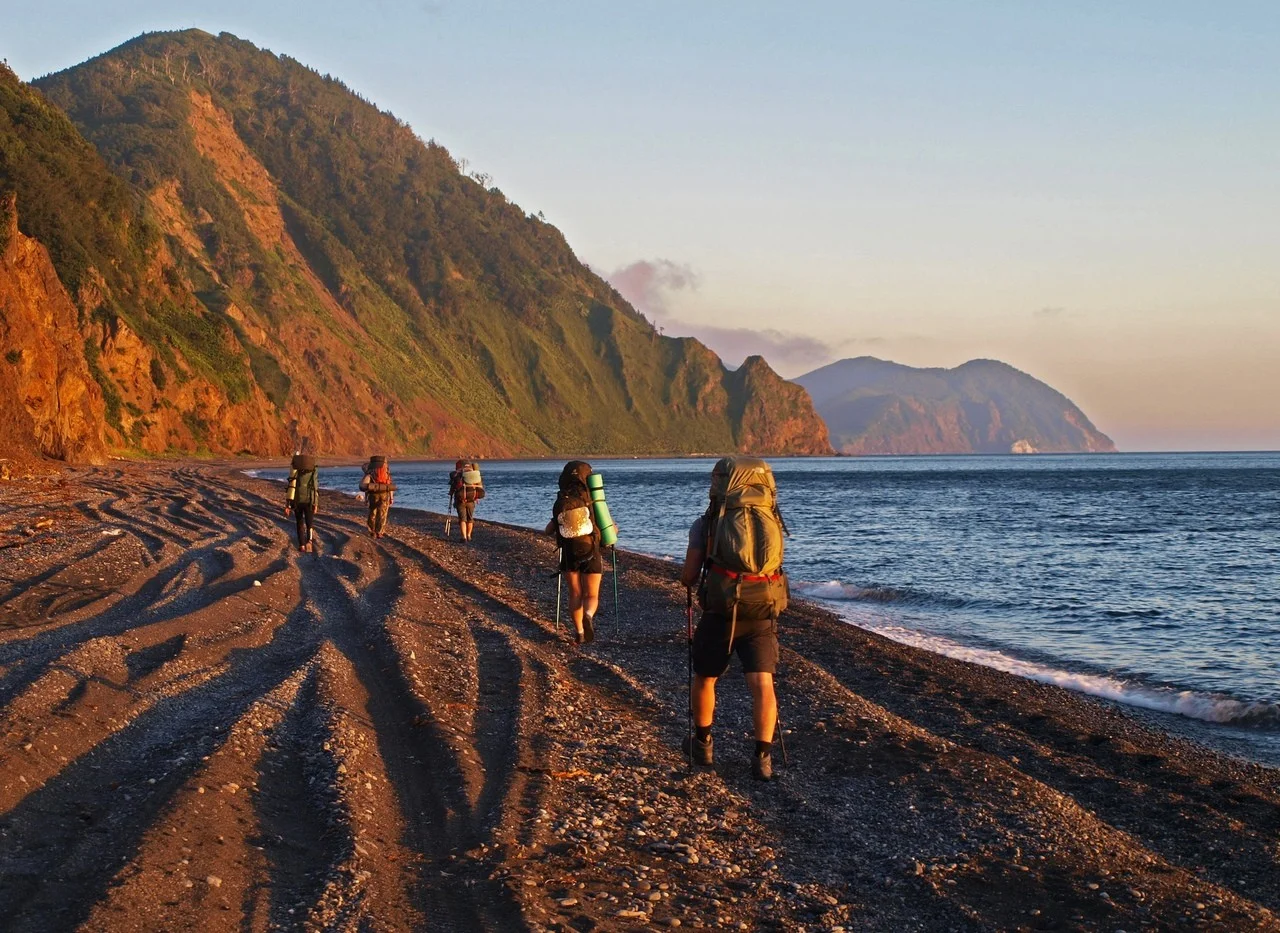
On a hiking trip, keep the same principle: collect used items in a sealable bag and carry them to an authorised disposal point. Do not bury wipes merely because the packet says “biodegradable”.

What else to put in a hygiene kit
A small towel, safe water, soap and ordinary toilet paper can reduce the use of disposable products. Hand sanitiser is a convenient supplement on the route; still plan opportunities to wash your hands properly.
Store clean and used materials separately, close the packet lid and use only what you need. The main rule is simple: neither wipes nor their wrappers should remain on the bank or trail after your stop.