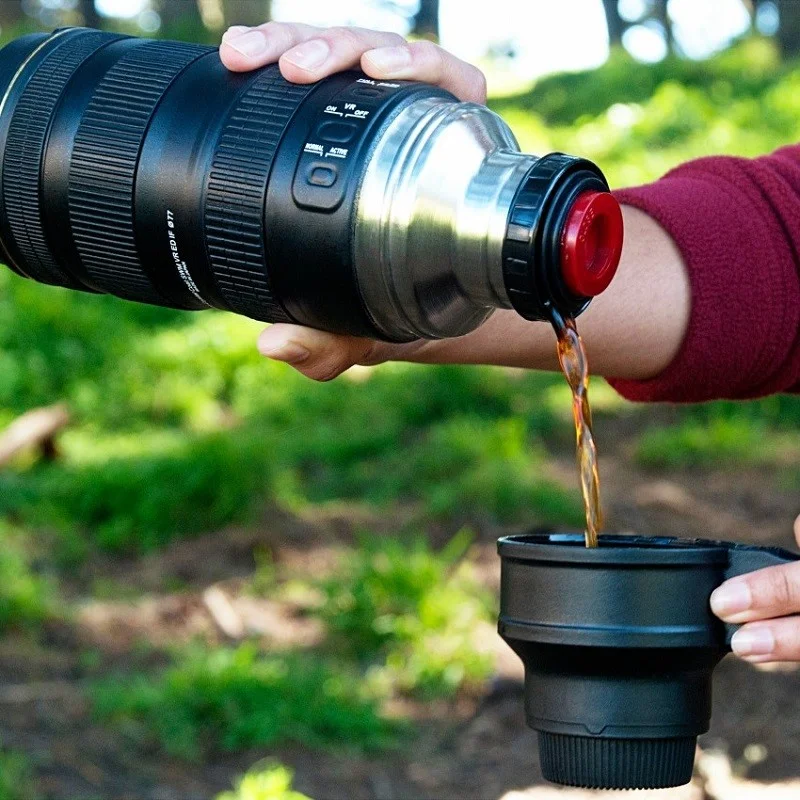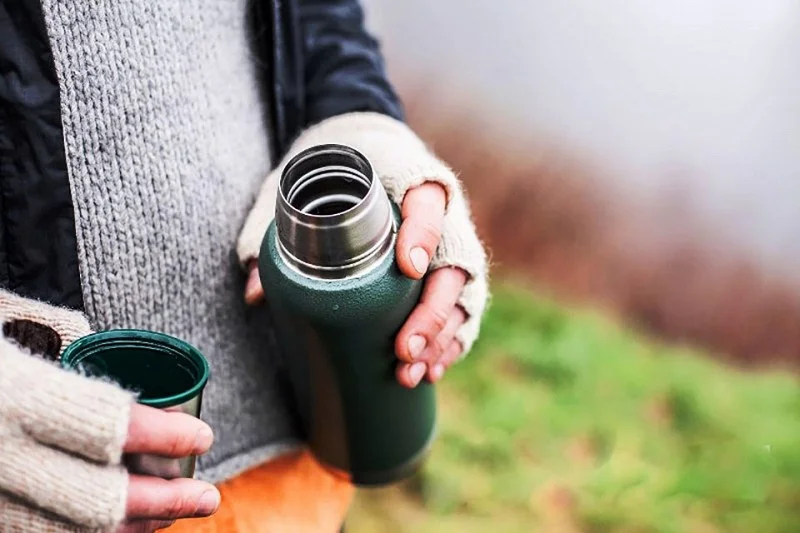
Start with the task, then the model
Tea on a fishing trip, coffee on the road and a hot lunch may require different containers. Decide how many people will use the flask, how long it will stay in a pack and whether you need to drink directly through the lid. A large container is not always more convenient, especially on a short outing.
A warm drink is pleasant, but does not replace dry clothing and protection from cold. Do not choose equipment on a promise that a flask alone will solve soaked clothing or unsuitable weather.
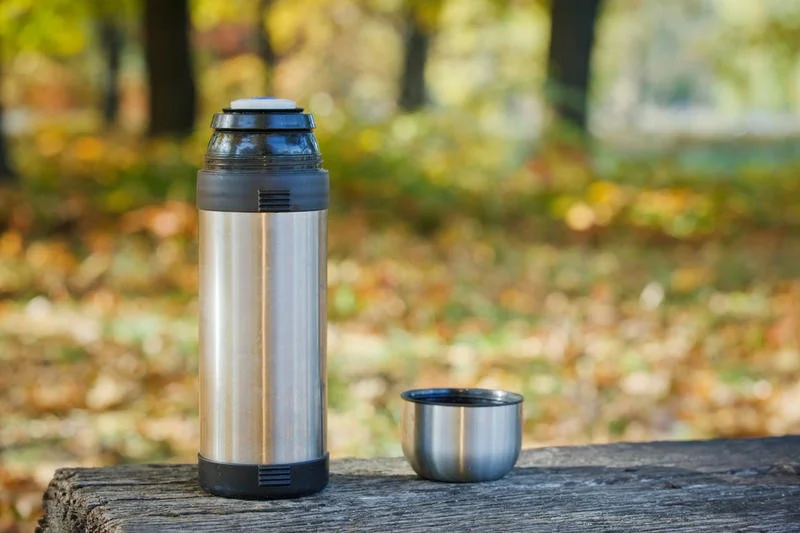
Flasks and mugs serve different purposes
For carrying drinks, secure closure and easy pouring usually matter; a mug also needs to suit drinking on the move. Names do not guarantee identical designs, however. Check whether carrying it in a bag is permitted and whether the lid holds liquid in the required position.
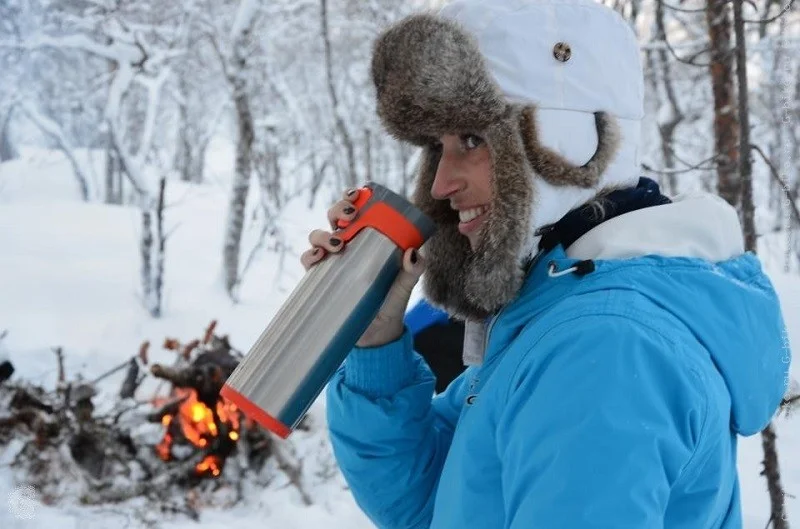
Lid controls
Try buttons, twist mechanisms and locks before buying. Assess use with wet hands or gloves. A handle or carabiner is not necessarily intended to suspend a full container from a pack: check the instructions and attachment security.
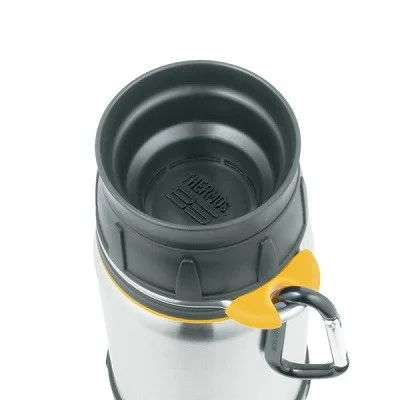
How long temperature is retained
Stated hours relate to a particular model and test conditions. Initial temperature, fill level, lid opening and the surroundings affect real-trip results. Do not apply figures from an old review to a similar-looking flask.
Wash the container before travelling and test it with your usual drink under permitted conditions. Preheat or precool only as its instructions allow. Do not put a flask on a stove or heat it in a microwave.
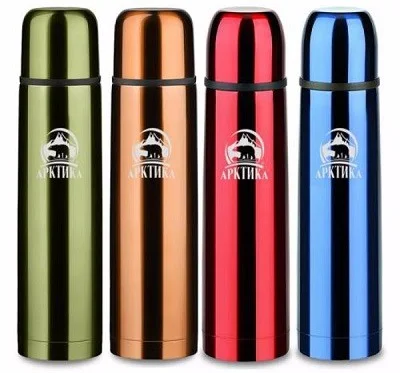
Food containers
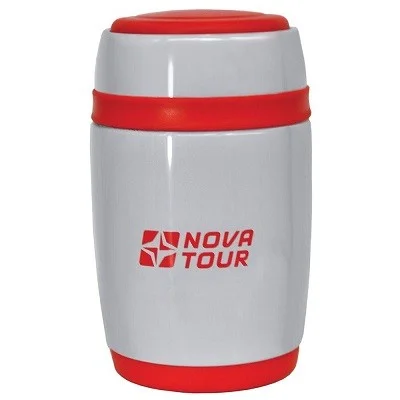
A wide opening makes filling and cleaning easier, but the shape and lid must suit your food and intended use. A lid doubling as a bowl is not convenient for everyone; check spoon access and whether you can reach the contents comfortably.
Heat retention does not mean any food can be stored indefinitely. Follow food-storage requirements and the container instructions. Do not judge a meal’s suitability solely by whether it still feels warm.
An everyday travel mug
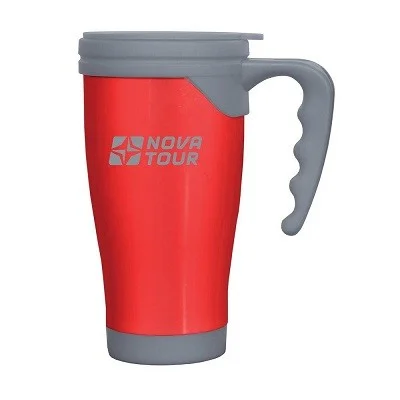
Check cup-holder fit, stability on a table and the drinking opening. A splash-resistant lid is not necessarily leakproof when carried sideways. Hot drinks need care on the move even with a convenient valve.
Check permission for carbonated drinks and other unusual contents separately. A steel body is not permission to fill it with anything. Seal materials and replacement-lid availability also affect useful life.
Cleaning and pre-trip checks
Dismantle the lid only as intended and clean accessible parts according to the instructions. Do not leave drink residue inside a closed container for long periods. Check dishwasher suitability for individual parts rather than assuming it for an entire brand.
Inspect seals, close the lid and check for leakage using safe contents. The article retains archive photographs as examples of designs; choose any actual purchase according to current specifications and your needs.