Reading this selection
This introduces Ukraine’s natural and cultural heritage rather than a currently operating itinerary. Old photographs cannot show the present condition of sites. During wartime, check access, transport and visiting rules with local authorities and the institution’s administration; do not enter closed areas.
1. Kyiv-Pechersk Lavra
The monastery complex in Kyiv brings together monuments from different periods. Churches, museums and individual sections have separate visiting arrangements; museum interpretation helps explain the complex’s history.
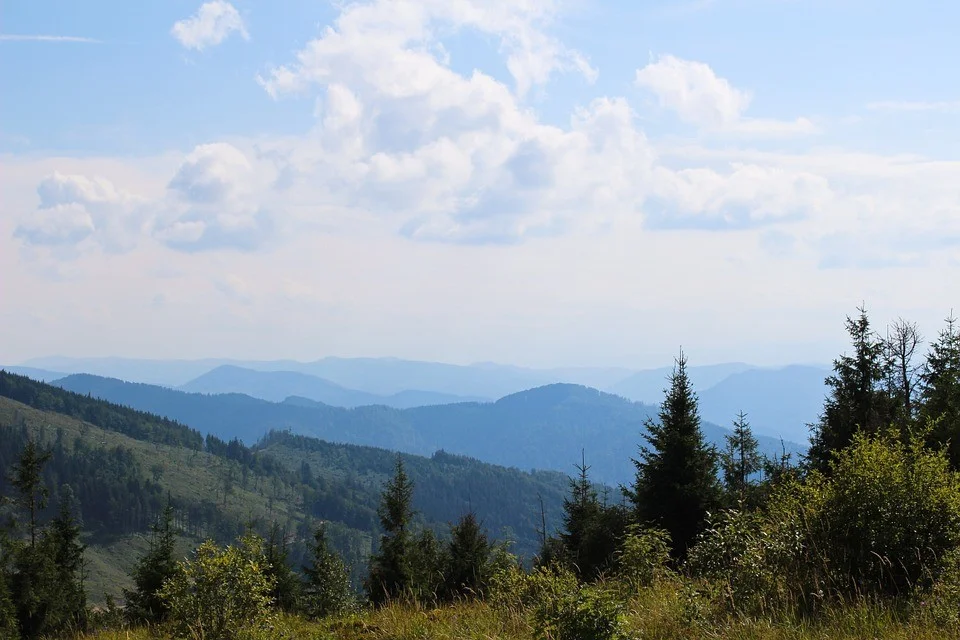
2. The Ukrainian Carpathians
Mountain landscapes offer forests, high pastures and settlement culture. Trail selection depends on season, preparation and established restrictions; a beautiful view cannot determine route difficulty.
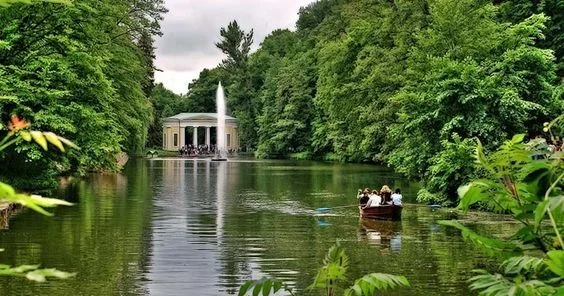
3. Sofiyivka in Uman
The arboretum combines water, plants and a carefully arranged network of paths. Confirm opening hours and section access separately; old visitor statistics are unnecessary for appreciating its value.
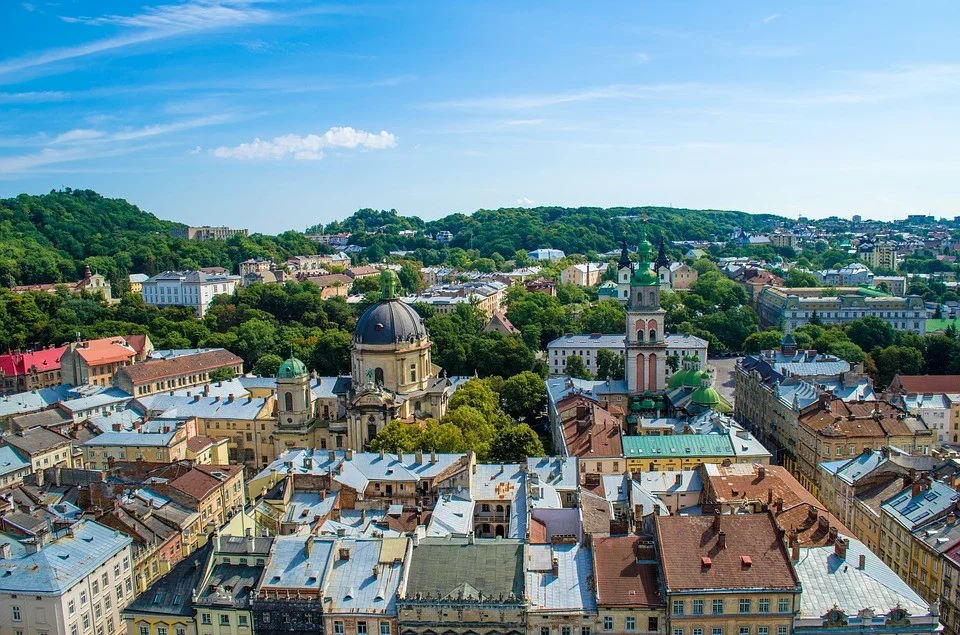
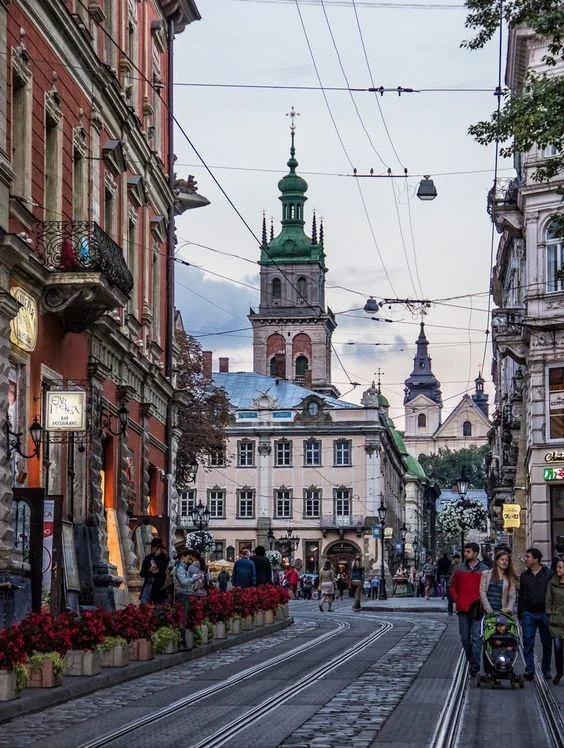
4. Lviv’s historic centre
Architecture from different periods meets squares and narrow streets here. Consider buildings in their urban historical context while respecting operating institutions and residents’ daily lives.
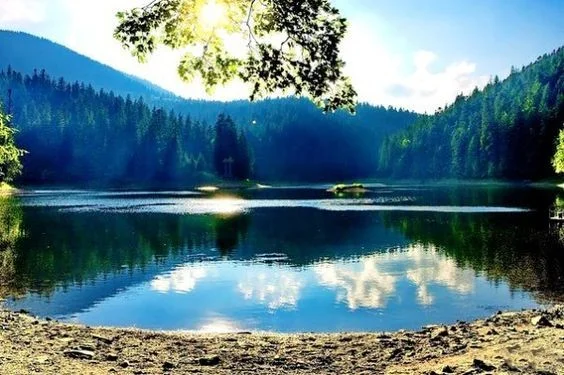
5. Lake Synevyr
The Carpathian lake is known for its forest setting and mountain scenery. It is not the largest lake in all Ukraine, as the old text incorrectly claimed. Follow the protected area’s rules.
6. Khotyn Fortress
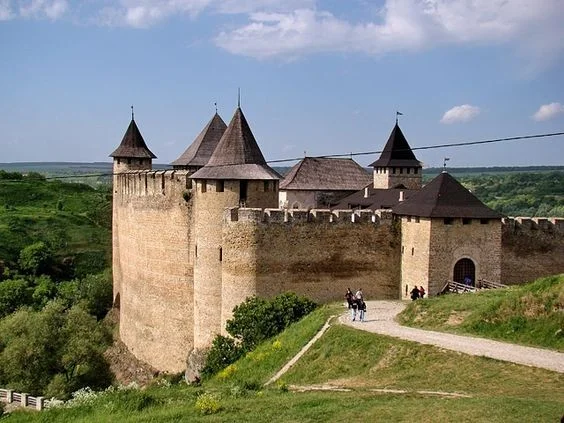
The fortifications above the Dniester help explain this border town’s history. An exterior photograph cannot establish interior access; ask the museum about visiting arrangements.
7. The Tunnel of Love near Klevan
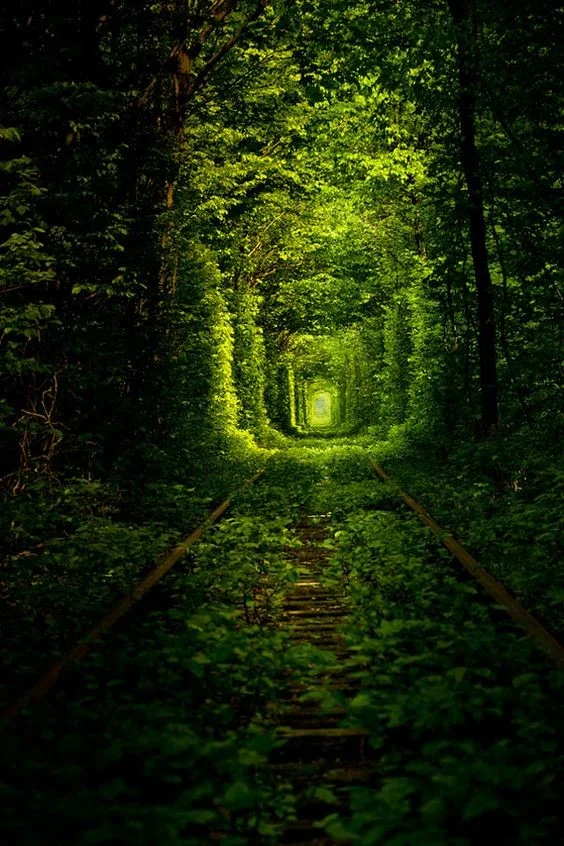
The green corridor is associated with a railway line. Its romantic name cannot turn tracks into a safe pedestrian area: follow site rules and stay off active tracks.
8. Saint Sophia of Kyiv
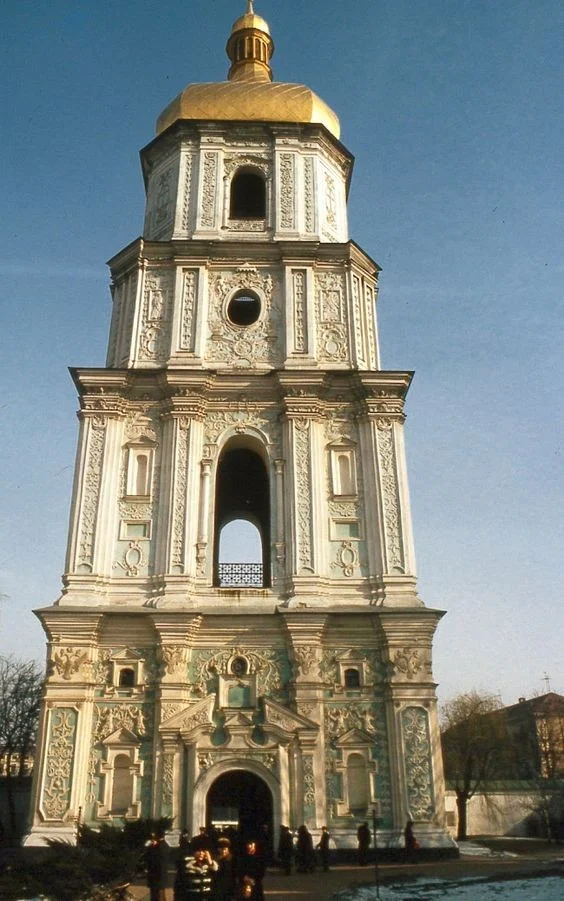
The cathedral is known for architecture, mosaics and frescoes. The old article incorrectly gave image areas in square kilometres; those figures should not be repeated. Visiting requires care for the monument.
9. Khortytsia
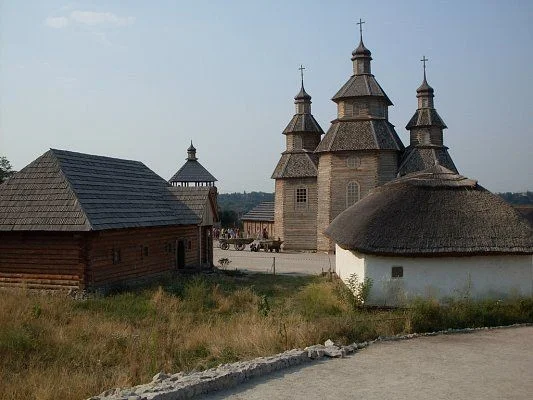
The island connects the Dnipro’s nature with Zaporizhzhia’s history. An archive tourist programme cannot establish the reserve’s current arrangements: check access and restrictions separately.
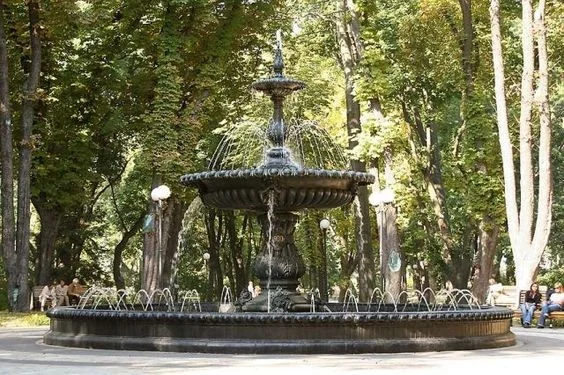
10. Mariinsky Park
This Kyiv park combines walking avenues and an urban landscape. Do not treat an old account of events and passages as a current schedule or access plan.
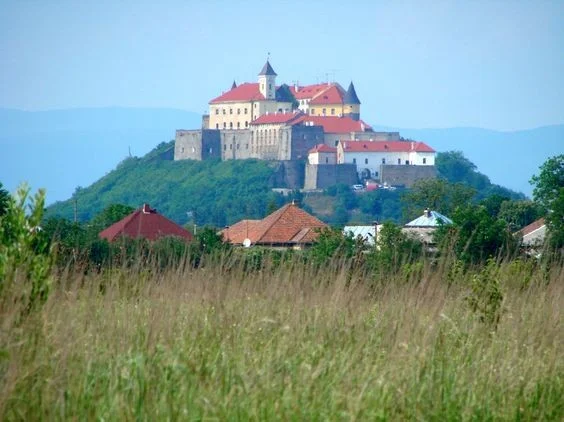
11. Palanok Castle
Mukachevo’s castle shows how a fortification used a hill’s terrain. Construction phases and museum collections offer a meaningful introduction beyond the panorama alone.
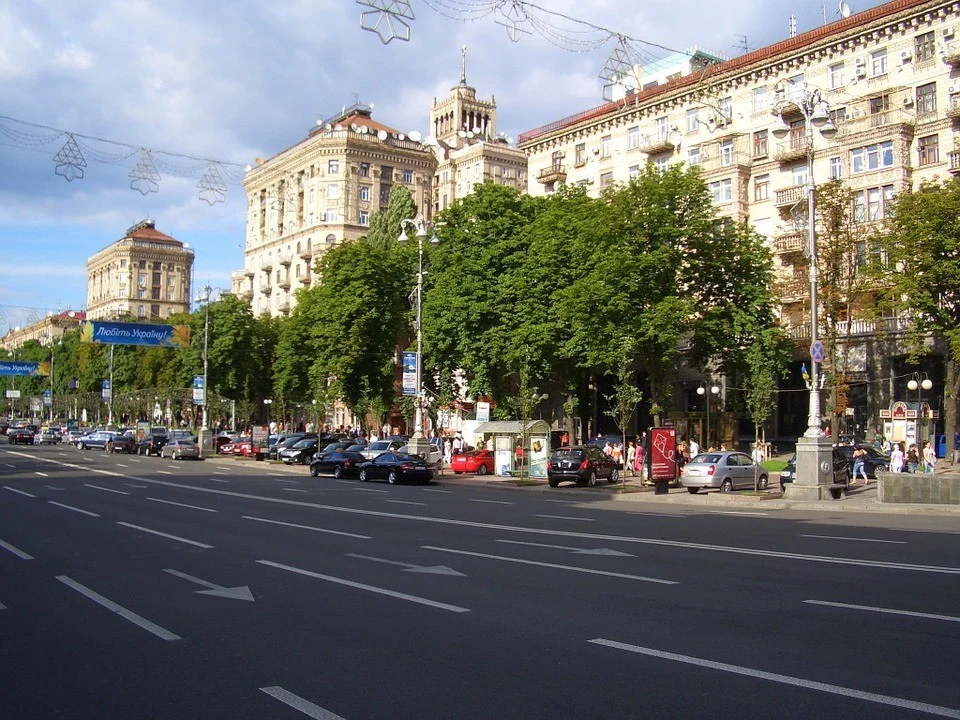
12. Khreshchatyk
Kyiv’s main street offers urban history and an architectural ensemble. Traffic, events and access arrangements depend on current city conditions.
13. Babyn Yar
This is a place of remembrance for victims of mass murder, including the Holocaust. It should not occupy an unlucky position in an entertainment ranking. Visiting calls for respect for the dead and careful engagement with history.
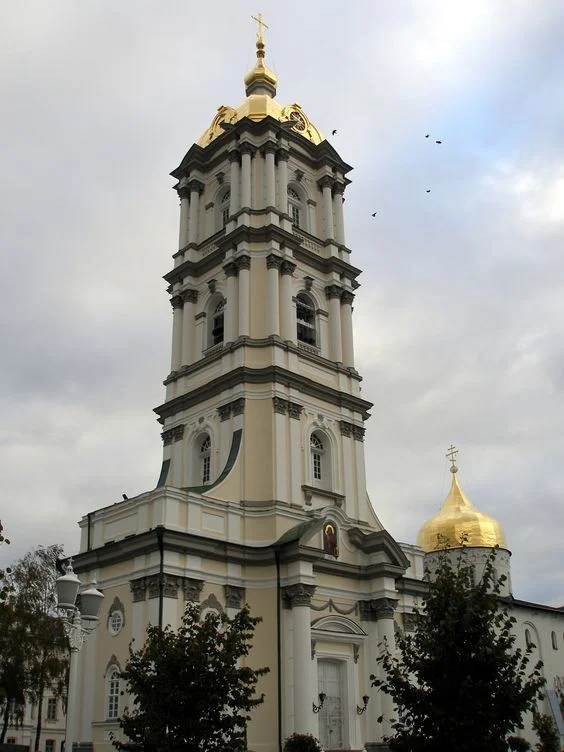
14. Pochaiv Lavra
The monastery complex in Ternopil region matters to religious and architectural history. Follow institutional rules; spiritual traditions do not promise medical effects.
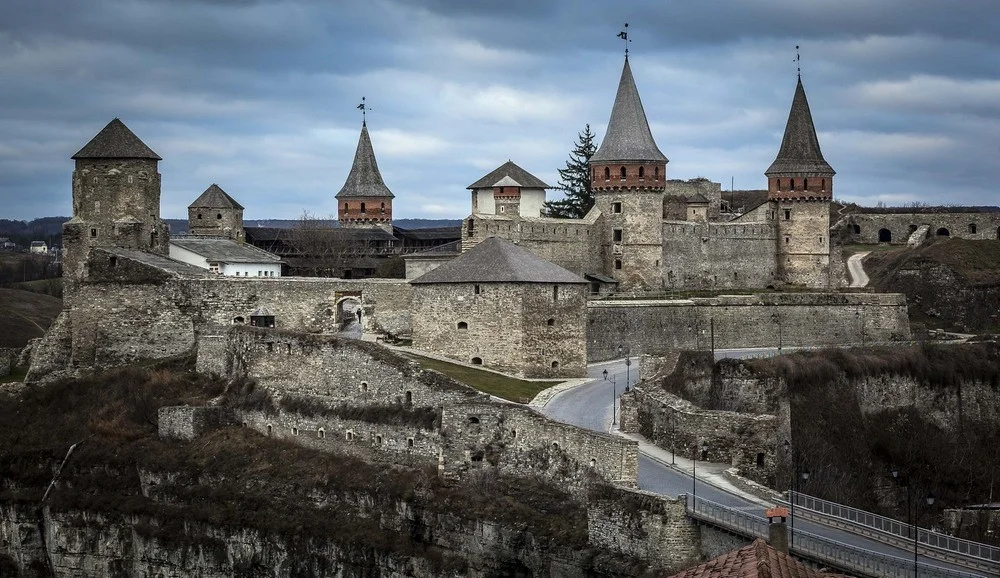
15. Kamianets-Podilskyi Fortress
The fortress and surrounding canyon form the city’s recognisable landscape. When planning a visit, distinguish museum zones, city streets and restricted sections.
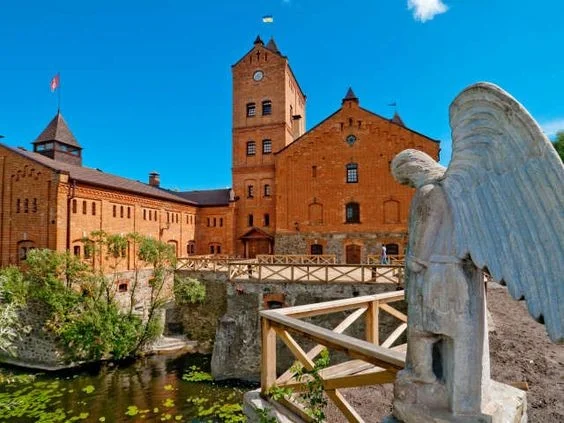
16. Radomysl
The museum complex in Zhytomyr region incorporates a historic mill building. Treat it as a museum project rather than attributing medieval origins to the whole ensemble.
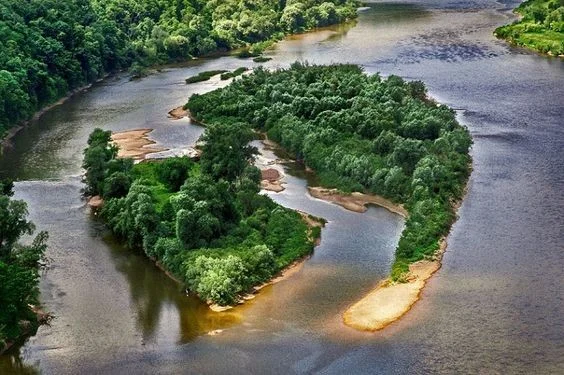
17. The Dniester Canyon
The river valley offers slopes, geology and settlements. A water route requires separate preparation, a permitted section and assessment of conditions rather than merely choosing an attractive map point.
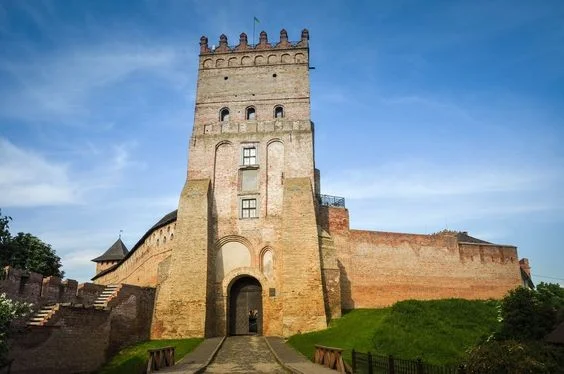
18. Lutsk Castle
The fortifications form an important part of historic Lutsk. Festival programmes from archive publications do not establish that the same event takes place today.
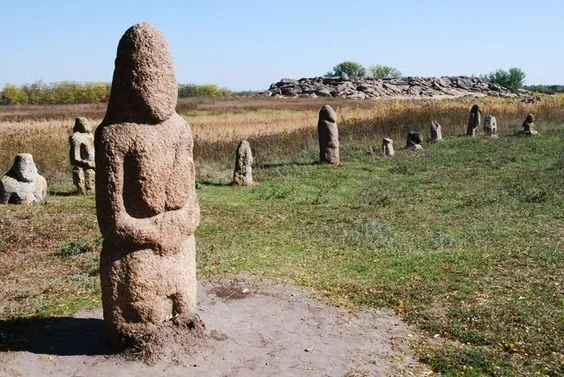
19. Kamiana Mohyla
This monument in Zaporizhzhia region is associated with sandstone formations and ancient images. The article describes heritage rather than confirming present access or preservation.
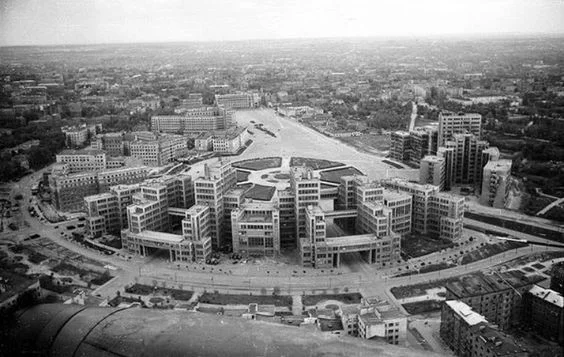
20. Derzhprom in Kharkiv
The architectural complex is interesting for Constructivism and city history. Avoid unsupported first-building claims; an old photograph cannot establish its condition or visiting possibilities.
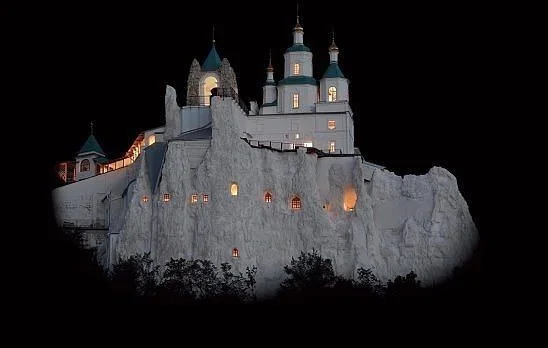
21. Sviatohirsk Lavra
The complex in Donetsk region is associated with chalk-slope scenery. Former tourist popularity provides no basis for travelling without current official information.
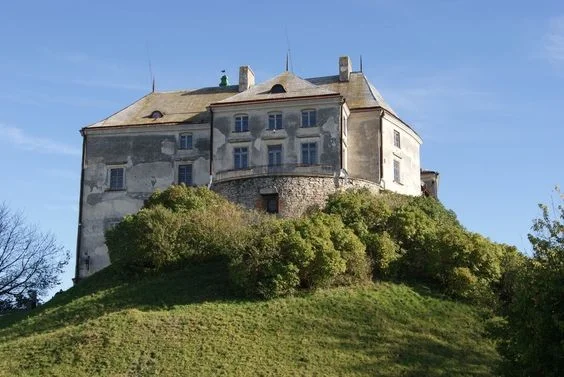
22. Olesko Castle
The castle in Lviv region introduces architecture and museum heritage. Its connections with other regional castles help explain history, but each site has different visiting arrangements.
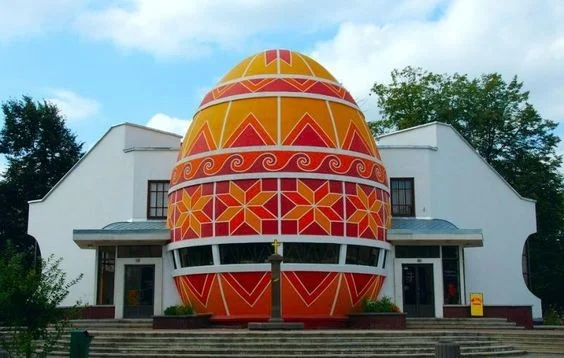
23. The Museum of Pysanka Painting
The museum in Kolomyia focuses on the art of decorating Easter eggs. Behind the distinctive building stand a collection and a craft tradition; ask the institution directly about exhibitions.
24. Askania-Nova
The biosphere reserve in Kherson region represents steppe natural heritage. Old accounts of excursions and animals cannot confirm current operations, access or the territory’s condition. Scientific and museum material also provide ways to learn about its value.