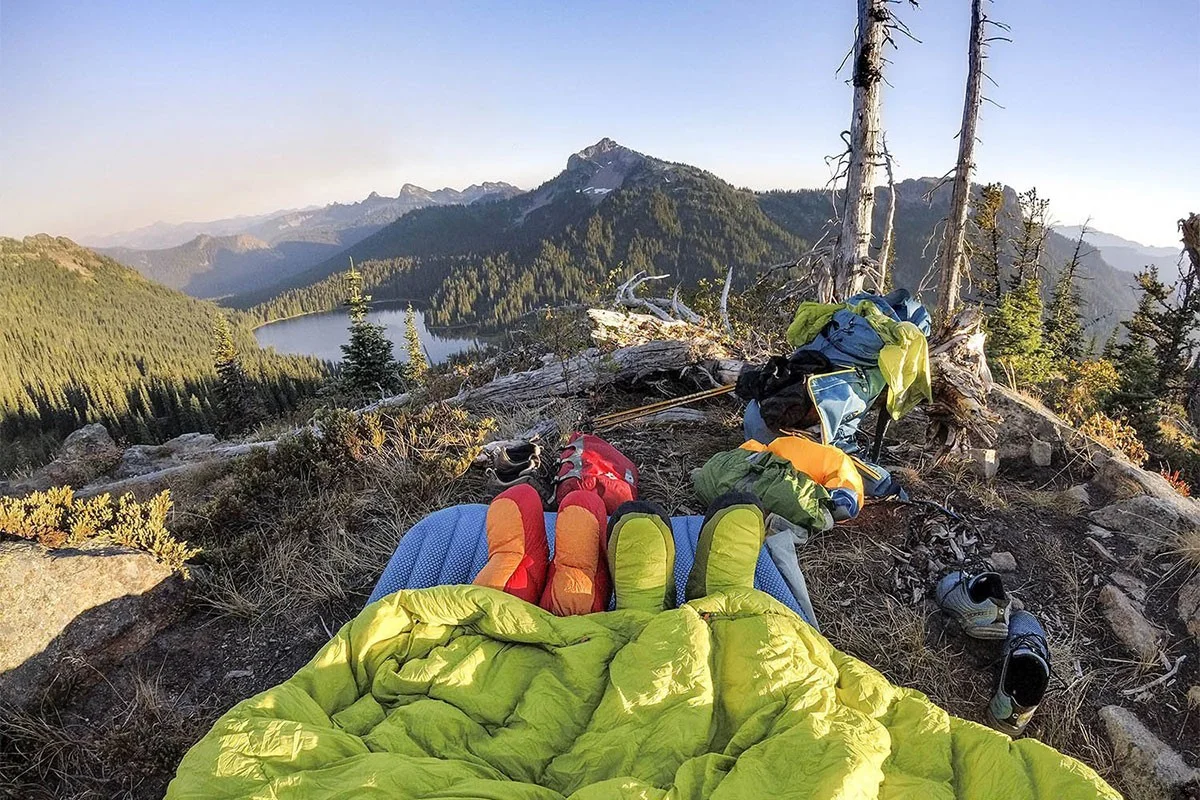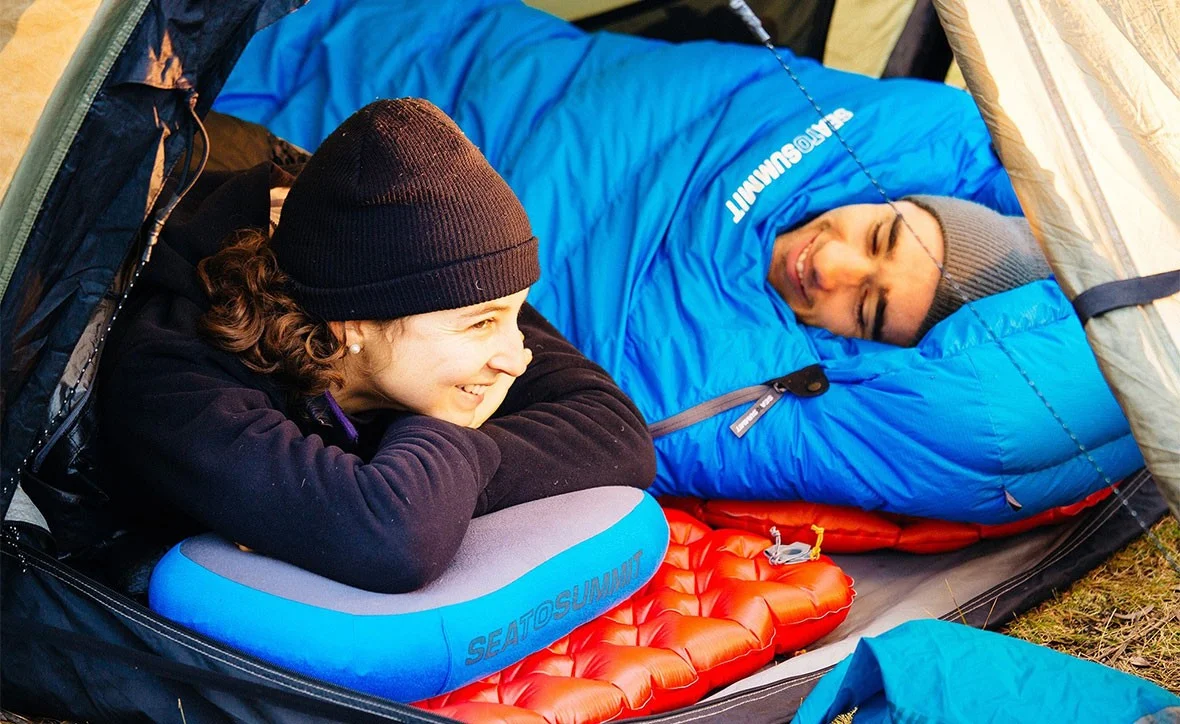
1. Pillow and 2. a bag of clothing
Check a camping pillow’s height in your normal sleeping position. Inflatable, foam and hybrid designs feel different. An alternative is soft dry clothing in a suitable bag with fabric over it. Do not pack away clothing needed during the night or assume any dry bag is designed to be inflated under load.
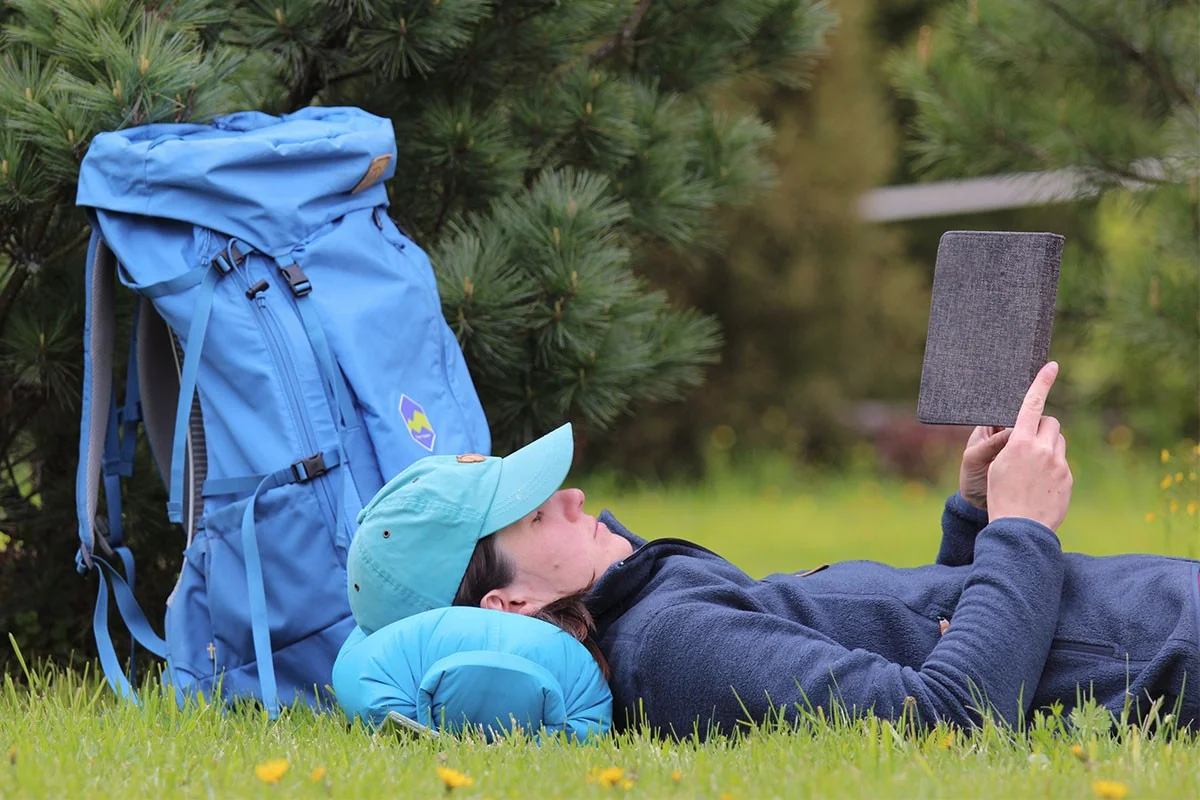
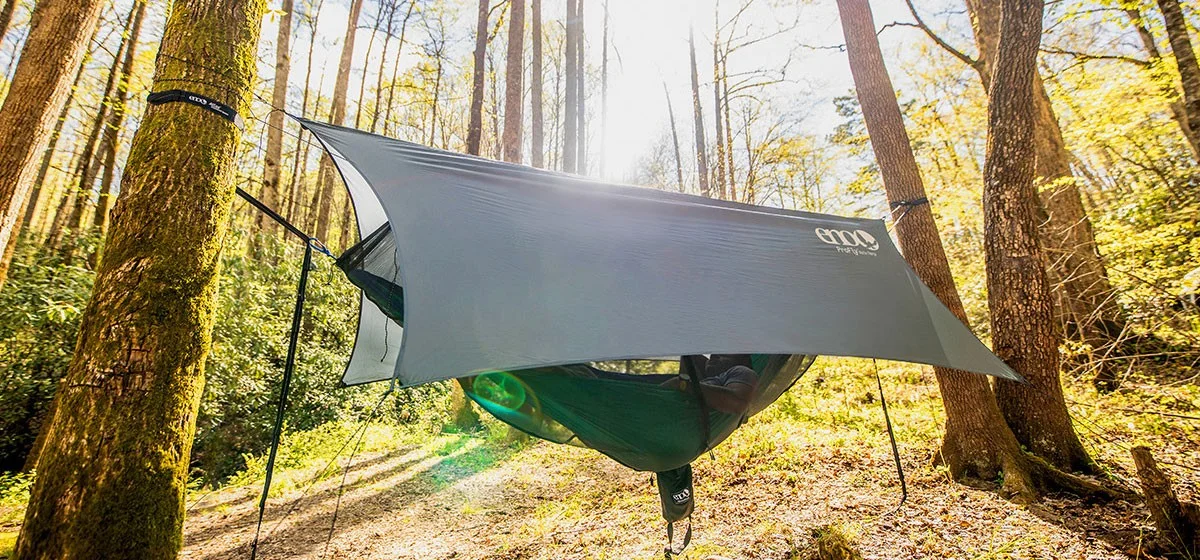
3. Liner and 4. hammock
A liner helps cleanliness but does not remove the need to wash the sleeping bag when necessary. Its extra warmth cannot be promised equally for every model. A hammock needs permitted sound supports, correct suspension and separate assessment of weather, insect and underside insulation protection. Its presence alone is not a complete sleep system.
5. Earplugs and 6. blanket
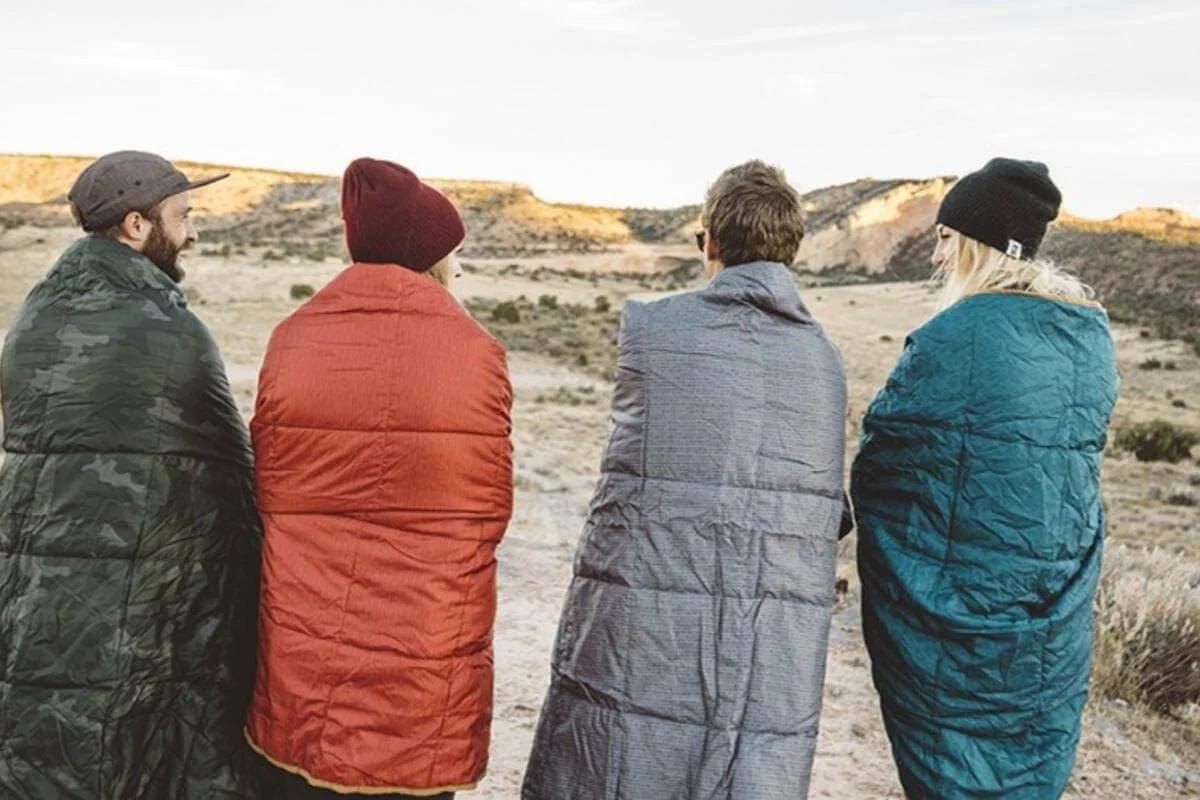
Choose earplugs for comfort and follow instructions while retaining the ability to supervise others and respond to important signals. Maximum noise isolation does not suit everyone. A light camping blanket is useful in a car or camp, but weight does not establish a temperature rating. Check the particular item’s size and care.
7. Sheet and 8. warm socks
A compatible sheet makes a pad surface more pleasant but cannot correct unsuitable dimensions or insufficient insulation. Dry roomy socks or down booties may supplement the kit without compressing feet. Thin sleeping booties are not footwear for stones or wet shores. Choose additions as needed rather than replacing suitable shelter with them.