
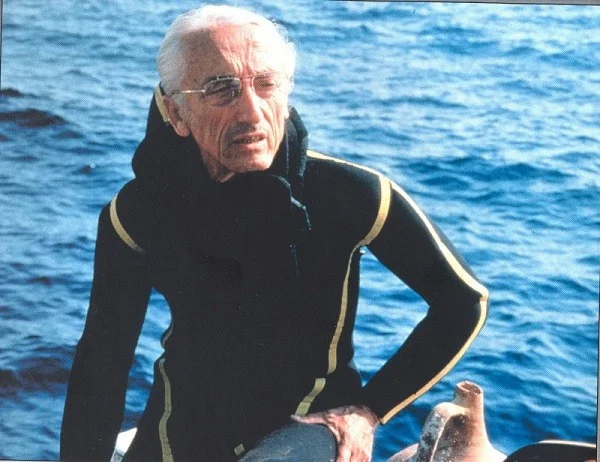
Both contributors matter
In 1943, Jacques-Yves Cousteau and Émile Gagnan created the Aqua-Lung. Their work brought practical diving experience together with gas-delivery engineering. The History of Diving Museum highlights Gagnan's contribution: Cousteau's familiar name should not obscure his collaborator.
What problem were they solving?
The apparatus needed to let a person breathe underwater from a carried gas supply. A demand regulator was an important part of the solution. That short explanation describes the idea, but covers neither all the requirements for breathing equipment nor its construction.
Why the gas-mask story was removed
The old sensational headline implied that a suitable scuba apparatus could result from simply modifying a familiar object. We do not present that claim as an established fact. Historical equipment should be assessed through documents and museum material, not the resemblance of parts in a photograph.
Turning historical interest into an introduction to diving
Start with a museum exhibition, documentary or introductory session at a training centre. Do not assemble a breathing system from an archive description or test it independently in water. Equipment history can help you ask an instructor better questions, but cannot replace training and the servicing of modern gear.