
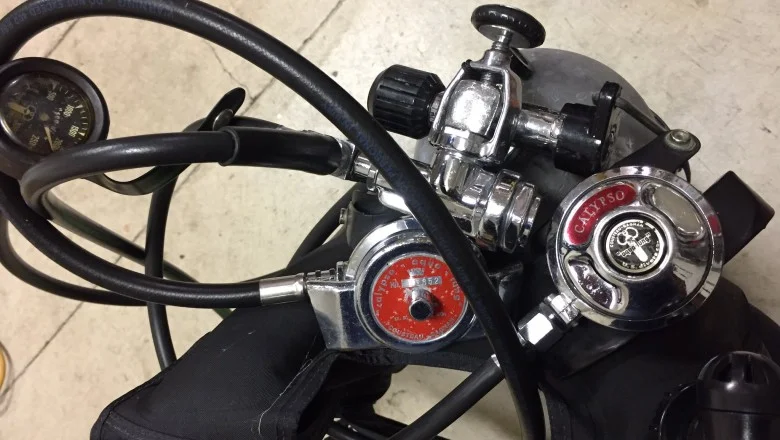
Choose a specialist station
Contact a dive centre or another organisation that supplies breathing gases for diving. Ask beforehand whether it accepts your cylinder type and which documents it requires. Sorting out these arrangements before travelling is better than looking for an arbitrary compressor near the water.
Separate cylinder checks from gas checks
The condition of the vessel and the quality of its contents are different questions. Ask how the station monitors breathing gas and records equipment maintenance. Shiny paint, tidy premises or a connector that fits do not by themselves establish that a gas is suitable to breathe underwater.
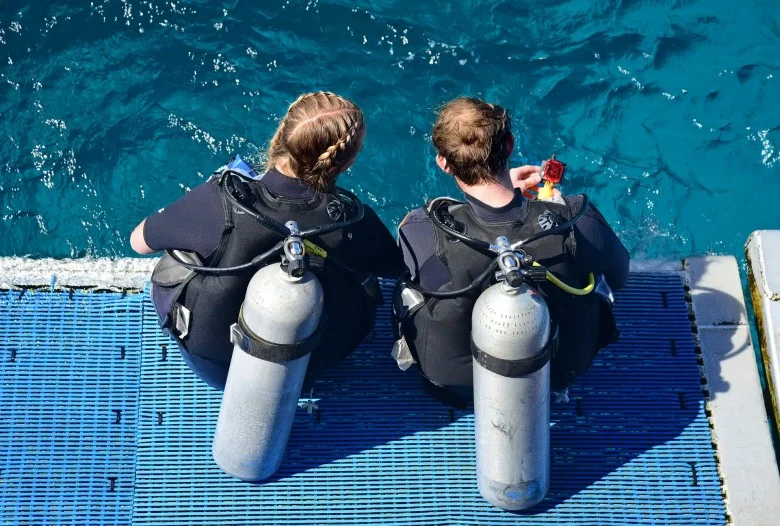
Bring information about your equipment
Bring cylinder markings and documents, inspection records and information about previous contents where known. Disclose falls, damage and any concerns about the valve. Trained station personnel decide whether to accept it. A refusal is not a reason to find somebody who will fill it without asking questions.
Smell is not an analysis
An unusual smell or taste in breathing gas is a reason not to use it and to seek specialist assistance. Carbon monoxide has no smell, however: the absence of an unusual sensation does not establish purity. Do not independently breathe-test unknown contents; learn predive checks as part of proper training.
Keep a record of the fill
Record the date, station and fill details, and keep a contact for questions. Discuss mixture analysis and labelling with your instructor and station personnel within the limits of your training. This checklist supports that conversation; it is not a compressor operating procedure, a connection guide or instructions for mixing gases yourself.